From contradictions to community, curator Rita Ouédraogo looks back on her time at Buro Stedelijk and the art of shaping a living, breathing museum.
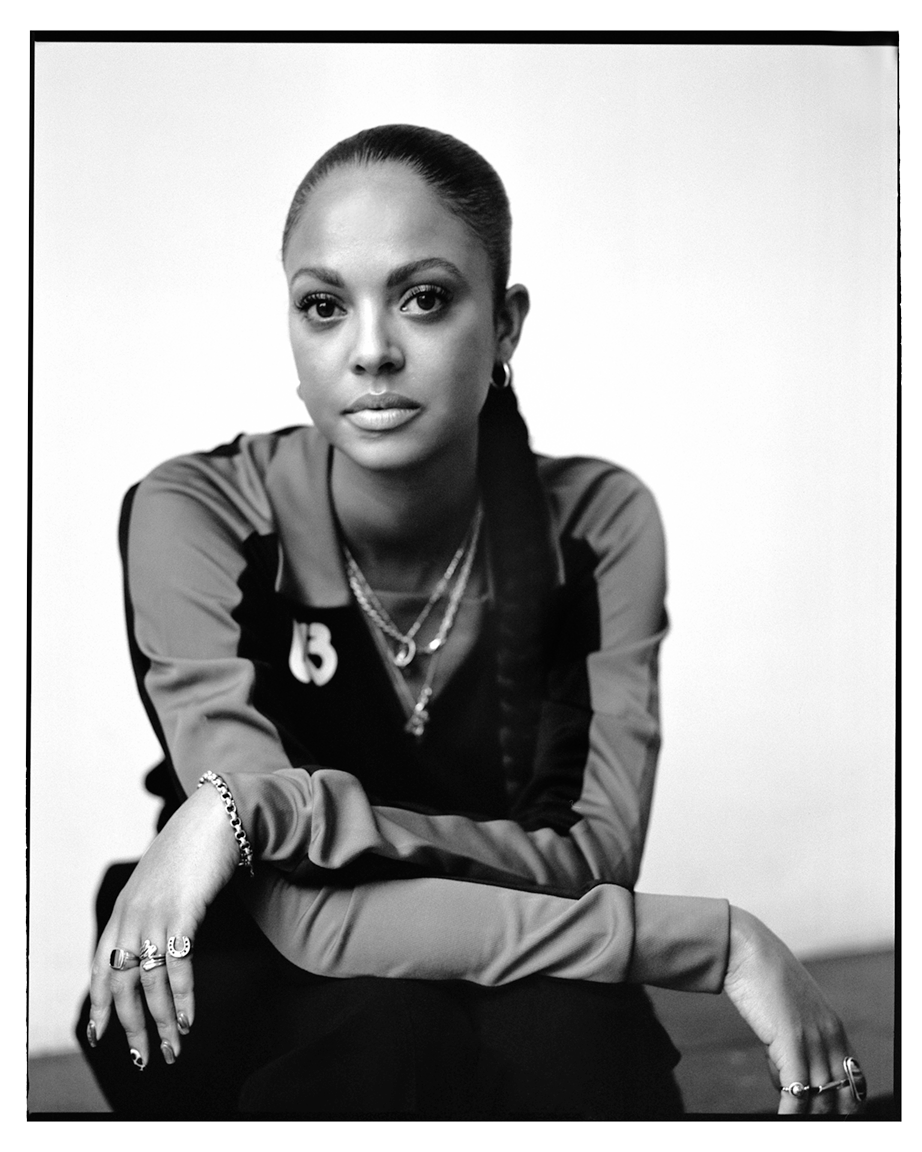
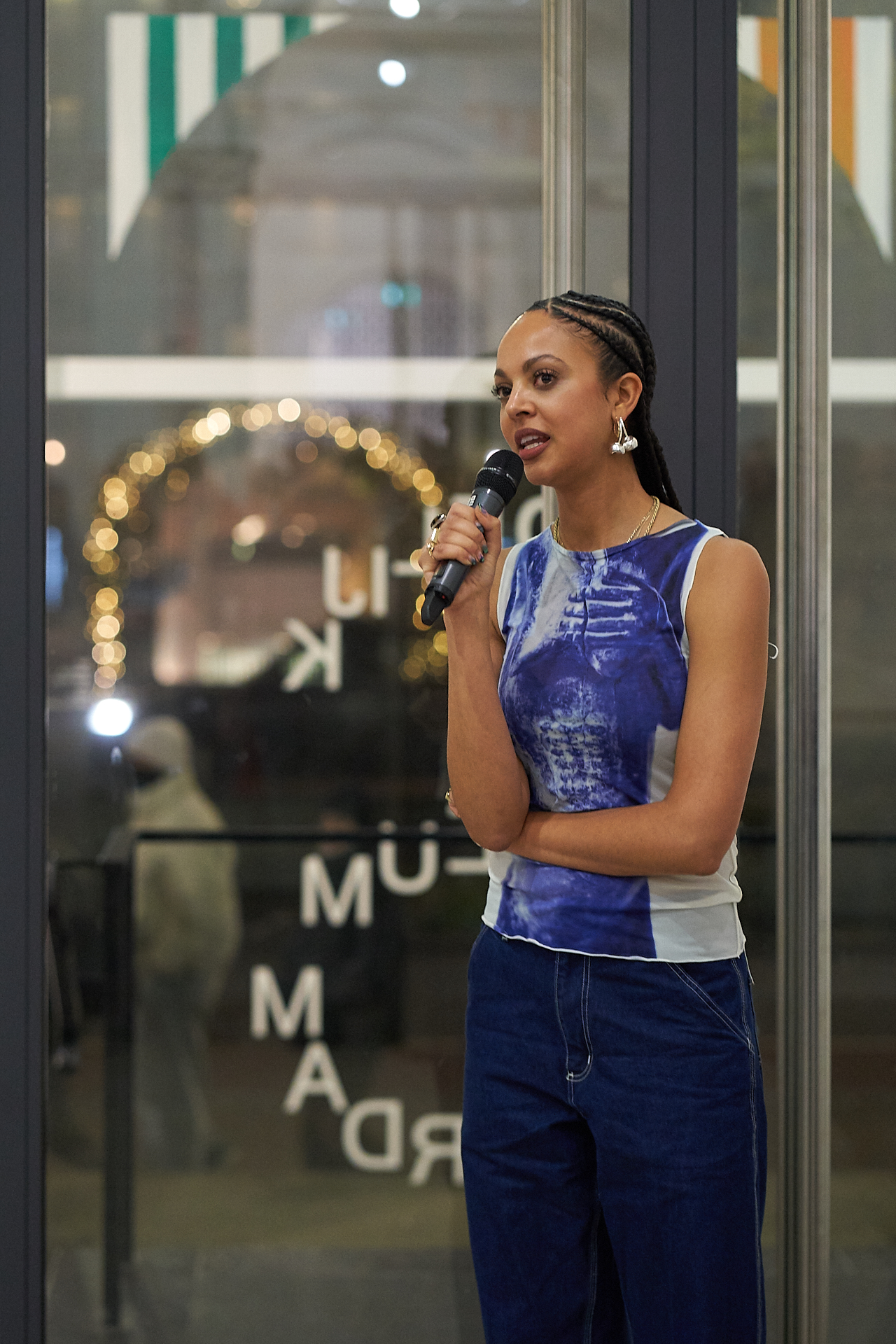
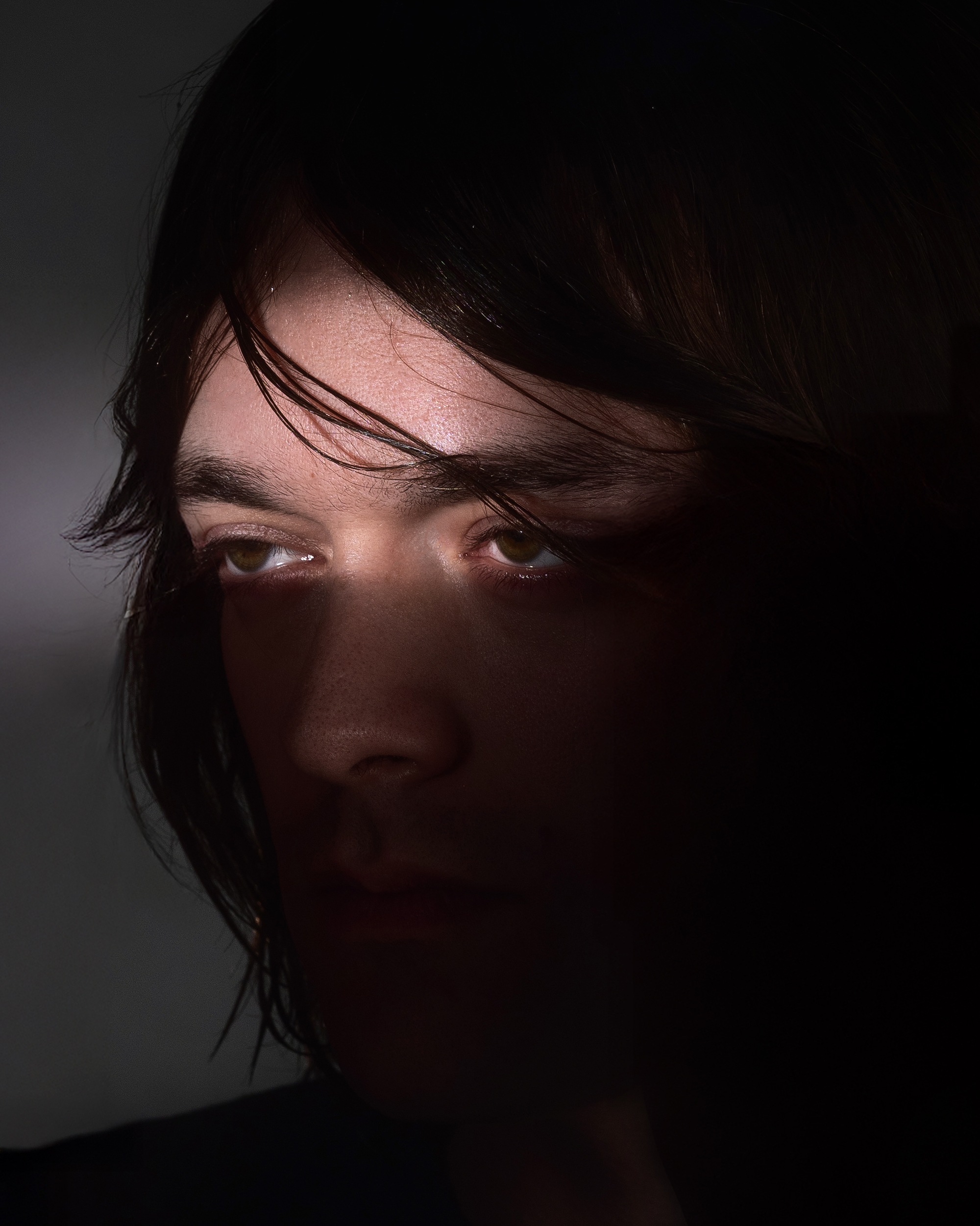
Cover: Portait of Rita Ouédraogo by Eva Roefs
With her final manifestation now open at Buro Stedelijk, we sat down with curator Rita Ouédraogo to look back on three defining years of experimentation, community, and institutional noise making. Somewhere between endings and beginnings, Rita reflects on the contradictions that shaped her work, the porousness of the archive, and what it means to hold space inside an institution without losing the magic of trying things out.
For Rita, the Buro was never just a gallery or a program. It was a living lab for thinking, feeling, and being in process. As she steps away from the role, she leaves behind a blueprint for a museum practice that is generous, rigorous, and unafraid of complexity.
Ahead of her next chapter, we asked Rita to answer a few questions about her practice, the lessons of the last three years, and the joy of building something together.
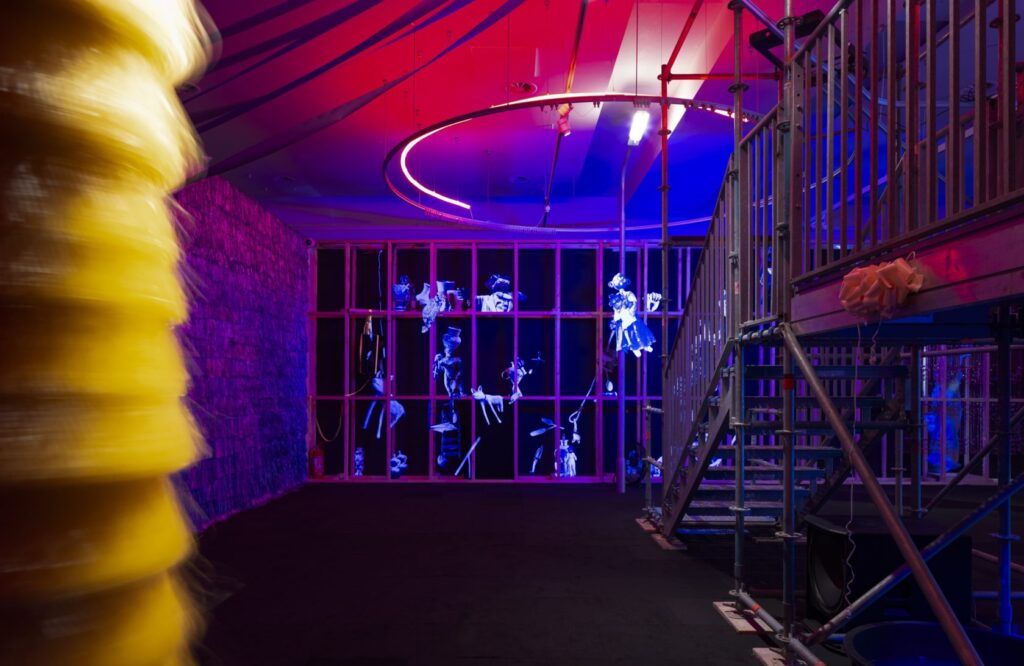
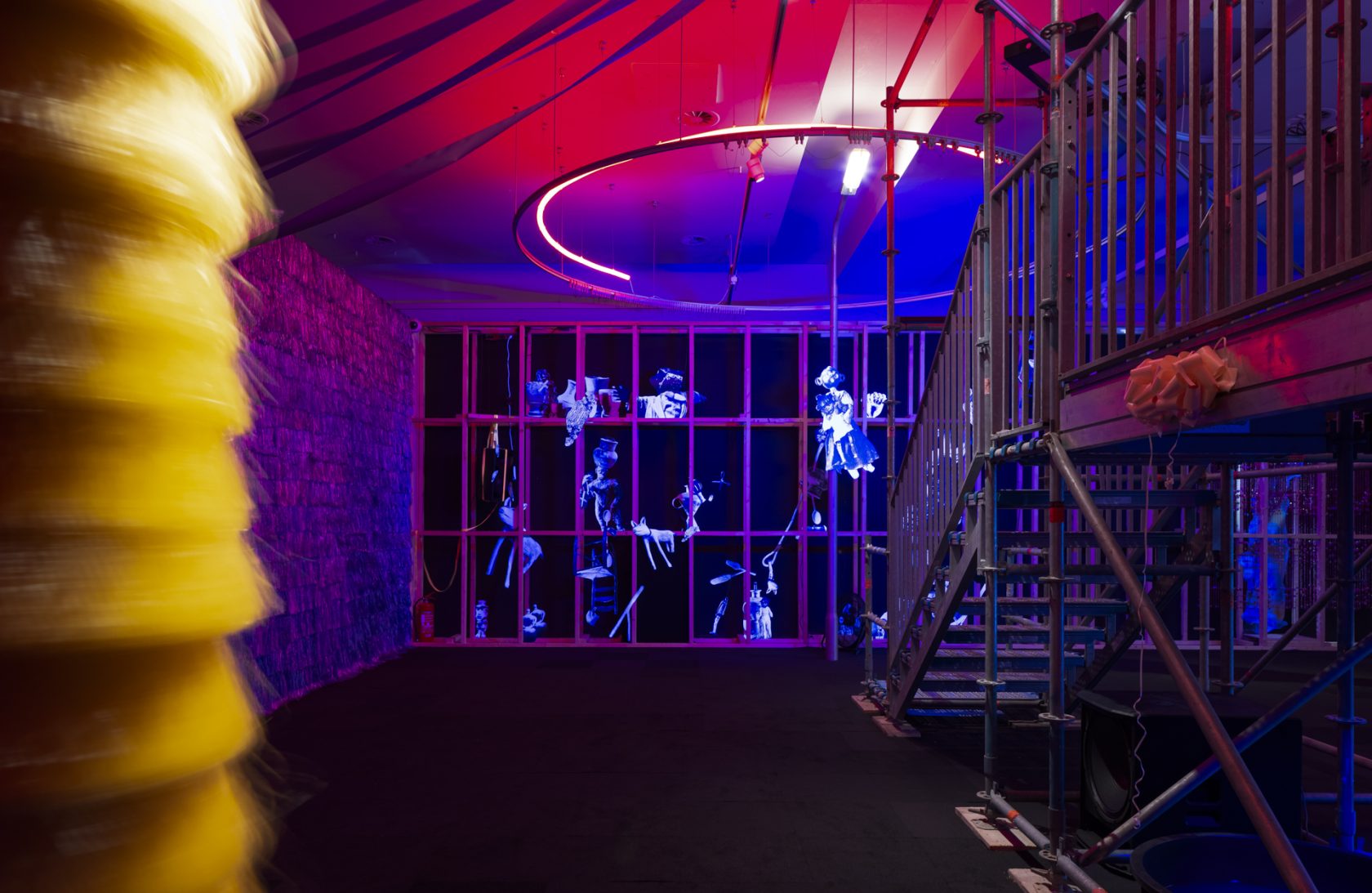
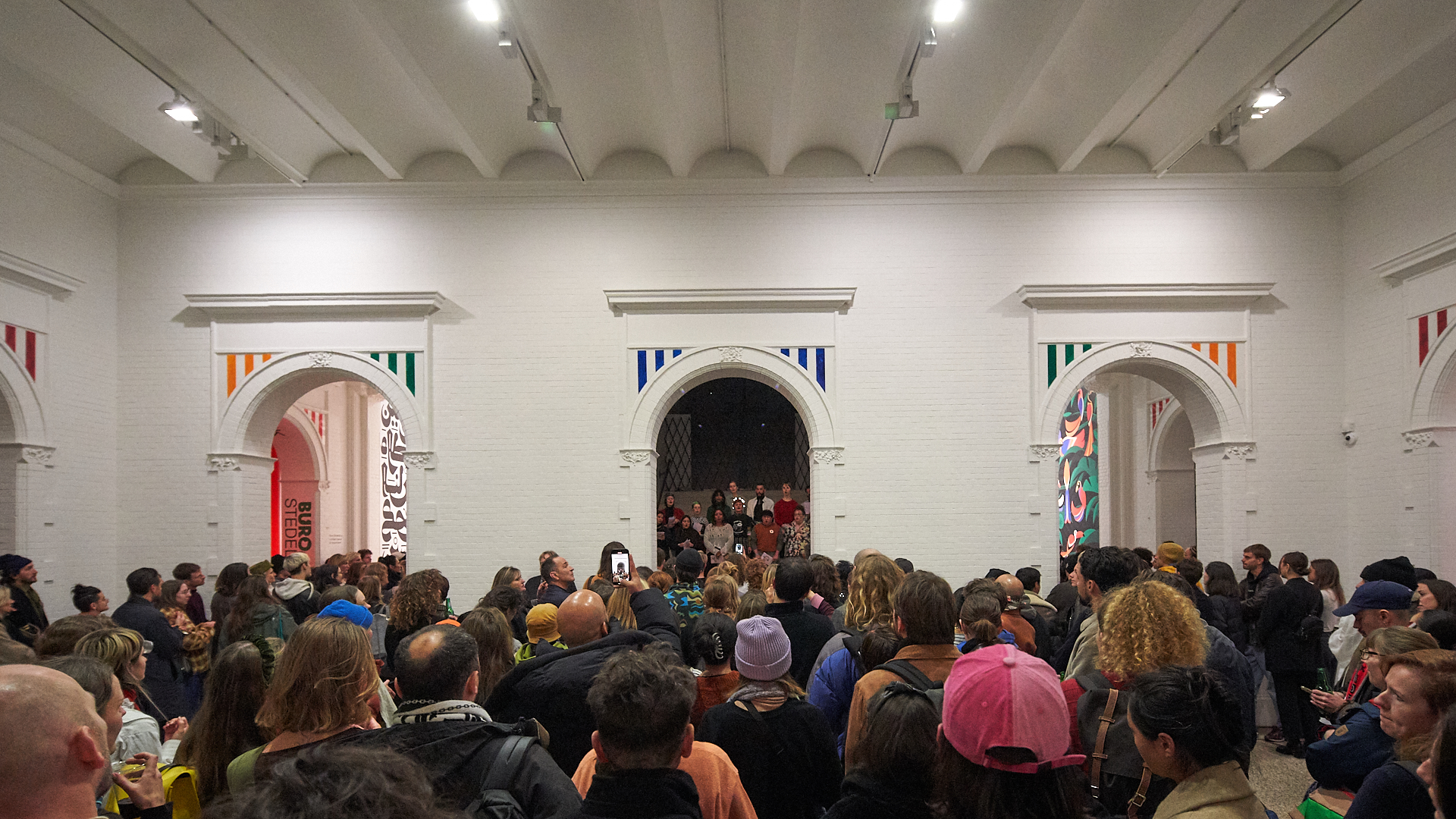
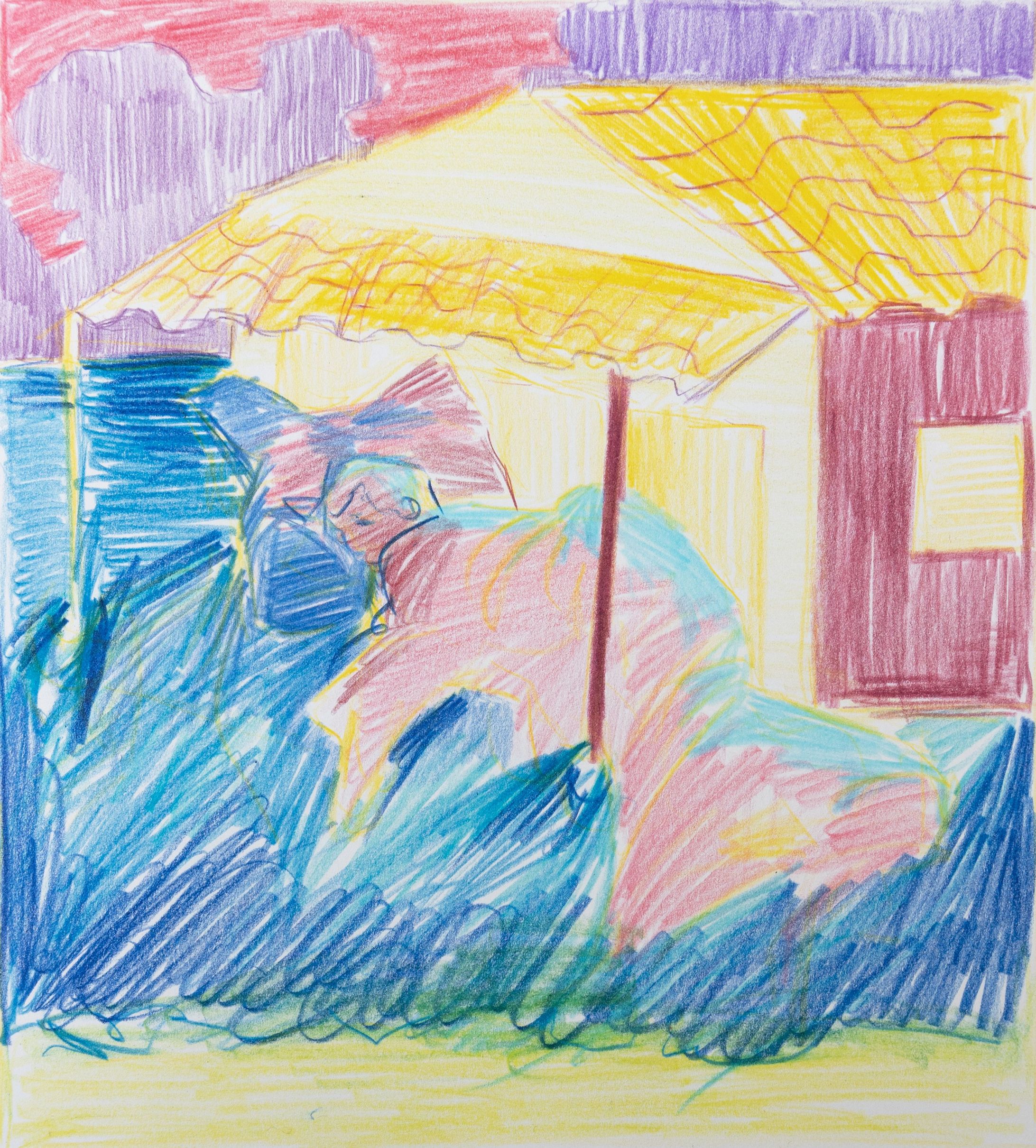
Manifestation #80 The Belly of Momo by Kevin Osepa Photos by Peter Tijhuis
How are you feeling today?
Honestly? I’m floating a bit. There’s this mix of everything. Grateful, tired, excited, a little melancholic. You know that feeling when you’re leaving a party and the music’s still playing but you’re already out the door? It’s like that. But in a good way.
How did your path lead you to Buro Stedelijk?
The Buro felt like this strange, thrilling in-between. Connected to the institution but still loose enough to try things out. For someone who loves contradictions and liminal spaces, it was perfect. I’d been circling around these questions for years, and suddenly there was a place to test them with others.
You’ve run the Buro for three years now. When you look back, what feels like the essence of what you brought into the space?
I hope we brought some warmth. Some room to breathe. I wanted people to feel welcome, not museum-welcome, but truly welcome. Like you could bring your whole self and your questions and your confusion. I wanted thinking and feeling to be friends, not enemies. Critical but generous. Rigorous but joyful. That frequency.
Buro Stedelijk has a unique format. What was the original concept when you stepped in and how did you translate it into your own curatorial language?
There wasn’t really a concept. The temporality was fixed and a gallery space arrived after six months. The Buro was already set up as an experimental lab. I loved that, but I wanted to stretch it. What if, instead of testing art forms, we created situations where different ways of knowing could hang out together? Where an exhibition felt more like a conversation than a conclusion? Less “here’s the finished thing” and more “let’s see what happens when we gather like this.”
Why does the Buro call its shows manifestations and what does that word unlock?
Everything in the program is a manifestation. It can be a one-day event, an exhibition, a film screening, a performance, an essay, a special soundtrack. Calling it that questions hierarchy. It gives people permission to be in process. Incomplete. It acknowledges that what you see is just one version of a much bigger thing.
“
“I’m interested in archives that talk back. Messy, alive ones that keep generating meaning long after the moment passes.”
”
Rita Ouédraogo
How would you define taste in the context of contemporary culture?
Taste is your trained ear, what you’ve learned to listen for, what makes you perk up. It isn’t neutral. It’s shaped by where you’re from, what you’ve been exposed to, who taught you to look. I’m interested in developing a taste for things that aren’t immediately familiar. For sounds outside your usual frequency.
Do you think there is such a thing as having the eye, and if so, how does someone develop it?
Sure, but it’s not a mystical gift. It’s attention. Especially toward things you’ve been taught to ignore. You develop it by looking slowly, by sitting with confusion, by studying how people make meaning and beauty and survival. And honestly, by unlearning a lot. Seeing is never innocent. Knowing what baggage you’re carrying helps.
As a curator working in a fast-changing world, do you feel a responsibility to reflect the present? How do you approach that responsibility?
I’m interested in making space where the present can breathe and look at itself. Everything moves so fast. Slowing things down lets you notice the futures already happening. It’s less about capturing the moment and more about creating room for the frequencies we usually speed past.
How did Amsterdam influence your thinking and your work at the Buro?
Amsterdam is fascinating. There’s this gap between what it claims to be and what it actually is. The liberal self-image, then the real contradictions around race and belonging. That tension shaped how I curated. The city is small enough that every choice feels tangible. So many incredible people make this place what it is. You can’t hide.
In a time defined by transience, what is the importance of archiving the present through art?
The archive says we were here, this mattered, don’t forget us. But I want archives that talk back. Messy, alive ones. Art does that. It refuses to sit still. It keeps generating new meaning. In a world that feels temporary, the archive becomes an anchor. An anchor that lets you drift toward the future.
What did success look like for you in this role, and what challenges came with it?
Success was when people felt like they could try things, take risks, experiment. When conversations kept going long after everyone left. When someone walked out thinking differently. The challenges? Many. The whole project was a challenge. But the collaborations made it worth it.
What are some of your favourite or most defining moments from your time at Buro Stedelijk?
So many, but recently, during build-up for Kevin Osepa’s manifestation The Belly of Momo, we were working in the Central Space on the Sunday before the opening. Kevin, his mother, his sister, his cousin, Niels, his partner, Rozaly, Glenpherd, Nico, Iyanla, Lakisha Apostel. The space opened up. We were sewing, cutting, assembling, laughing, listening to Rozaly’s soundscapes, deciphering the codes. That kind of coming together is what I love. Being part of that inside the Stedelijk felt very special.
Your final manifestation is with Kevin Osepa. Why did this feel like the right closing chapter?
The Belly of Momo operates as both concept and experience. Drawing from Curaçao’s Karnaval tradition, King Momo embodies closure and opening at once. The belly becomes a porous interior where contradictions coexist. Mourning with joy, ancestors entangled with the present. This refusal of simple stories felt like the right final note.
Through collaboration with artists like Rozaly and Lakisha Apostel, and through his mother’s presence and knowledge, Kevin created a ritual space that privileges Caribbean ways of knowing over Western logic. Visitors don’t just observe, they get entangled. Share soup. Make noise. Sit in the in-between. It asserts relational and affective practices as legitimate meaning-making in institutions. It’s a culmination and a provocation. The perfect ending that doesn’t end.
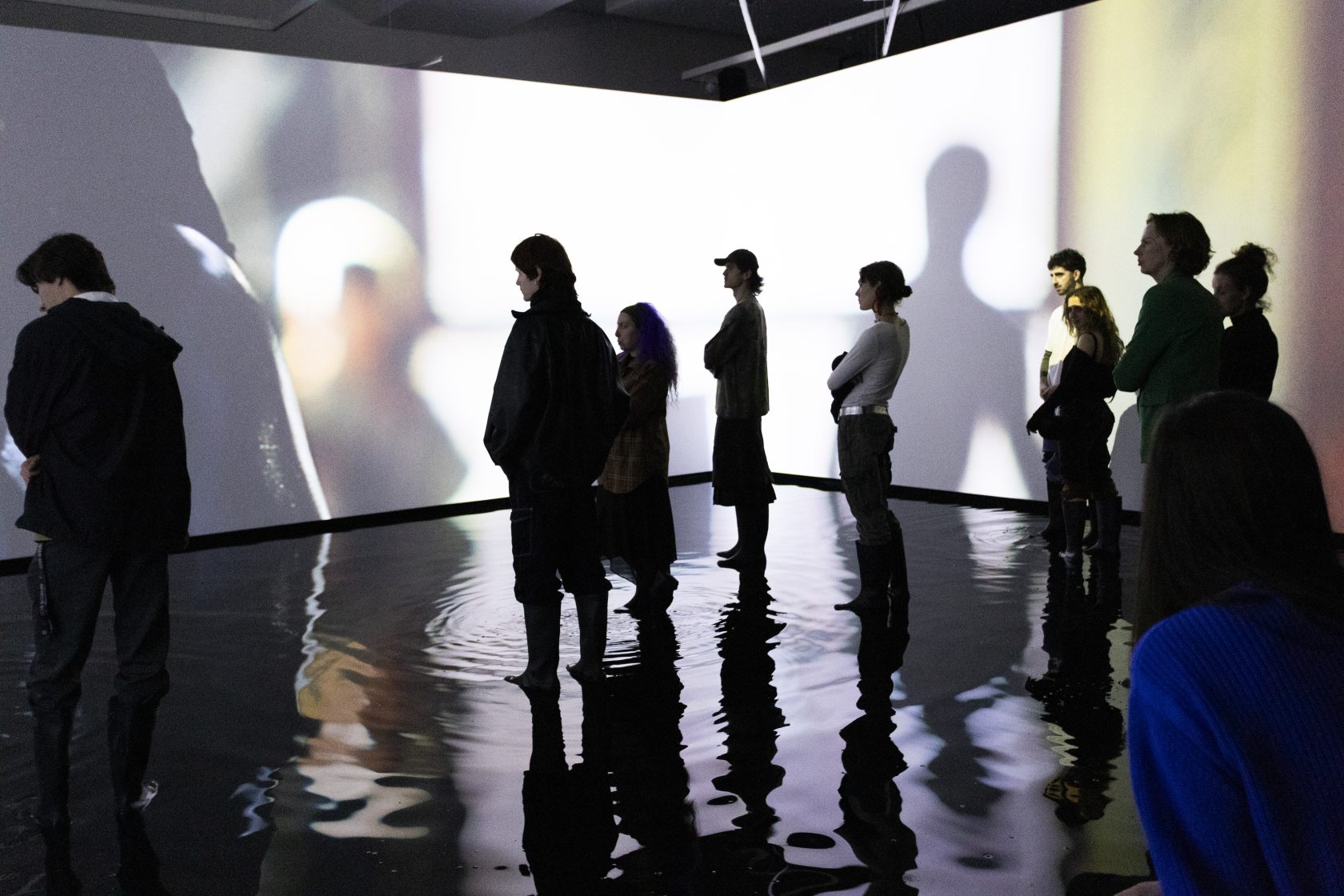
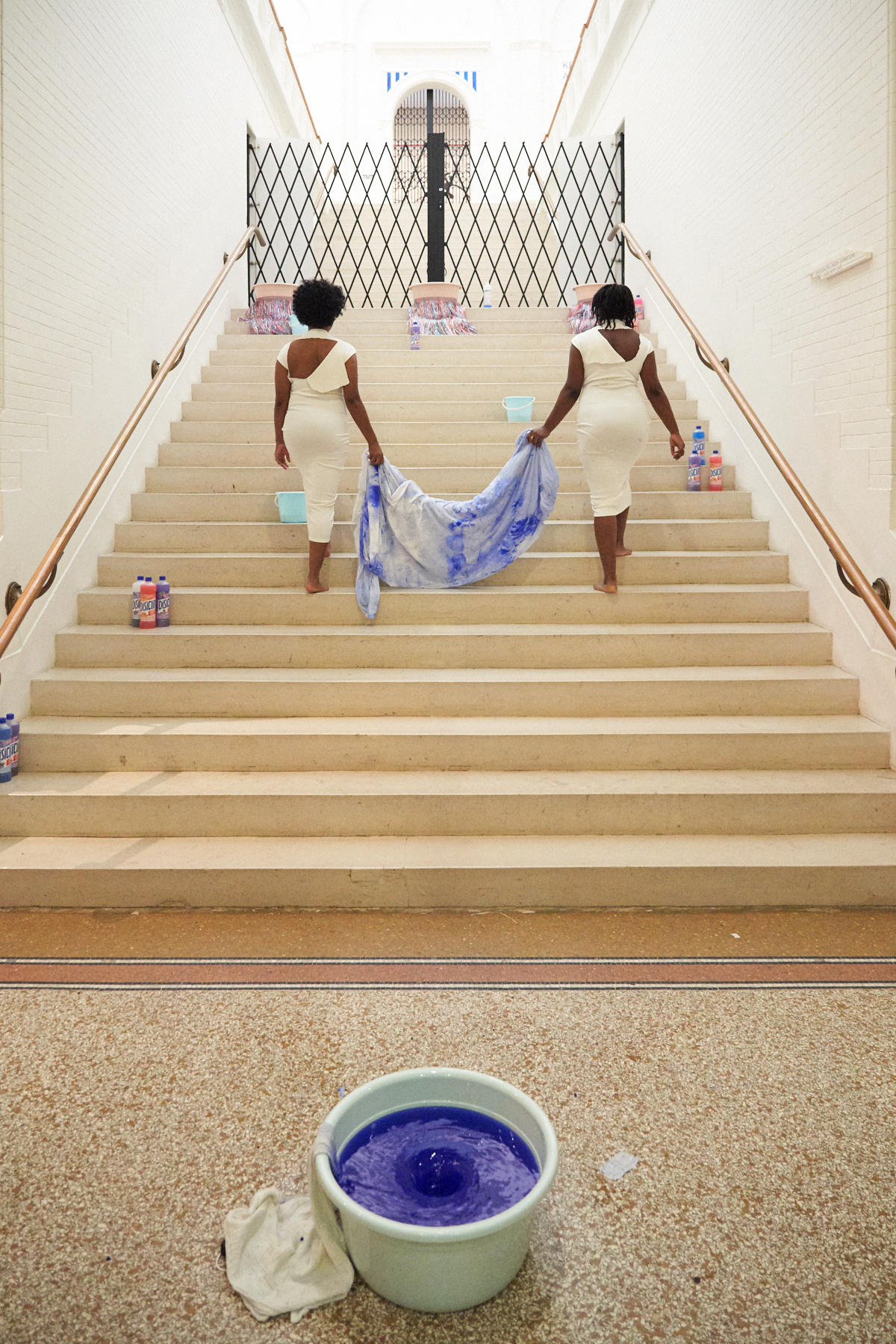
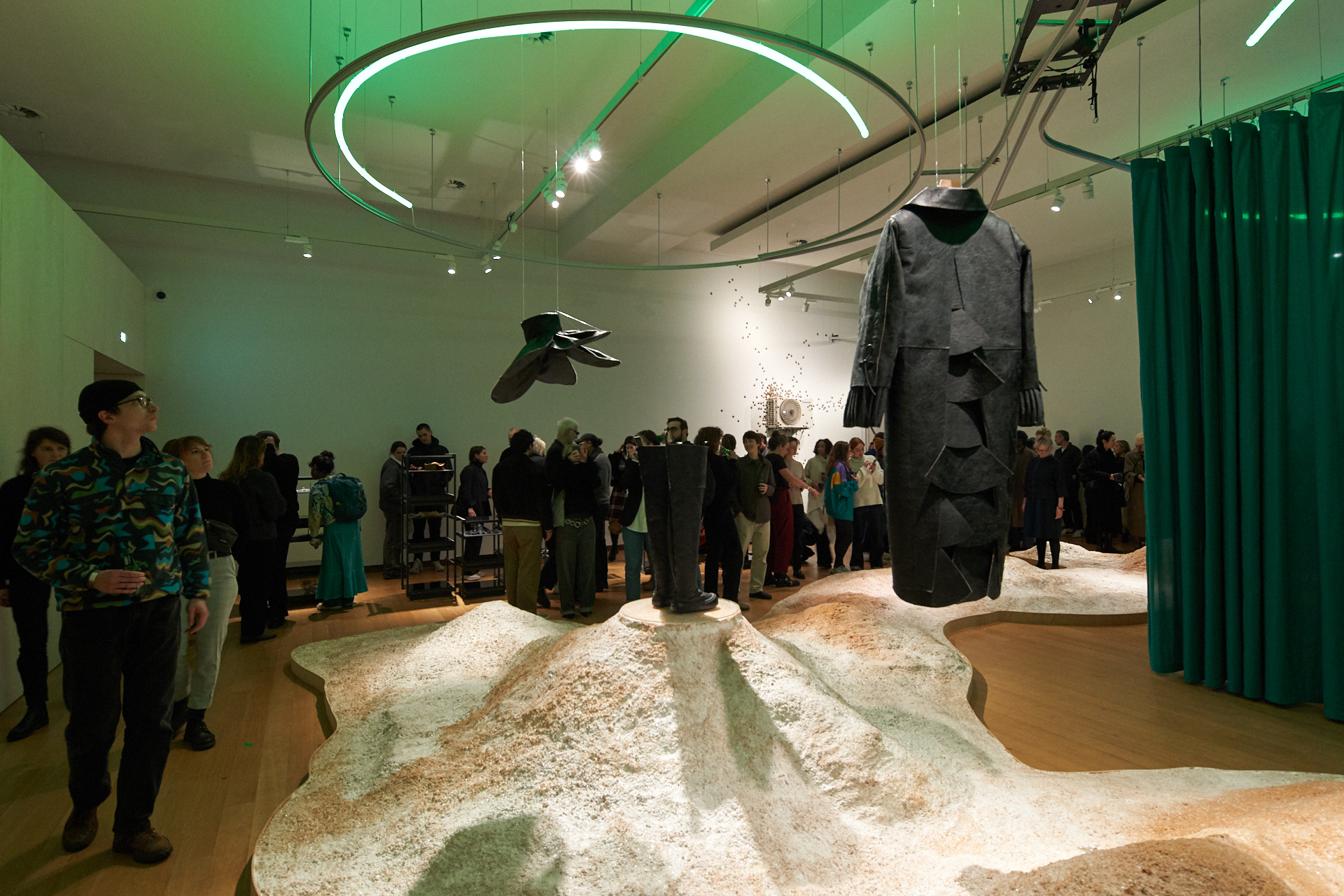
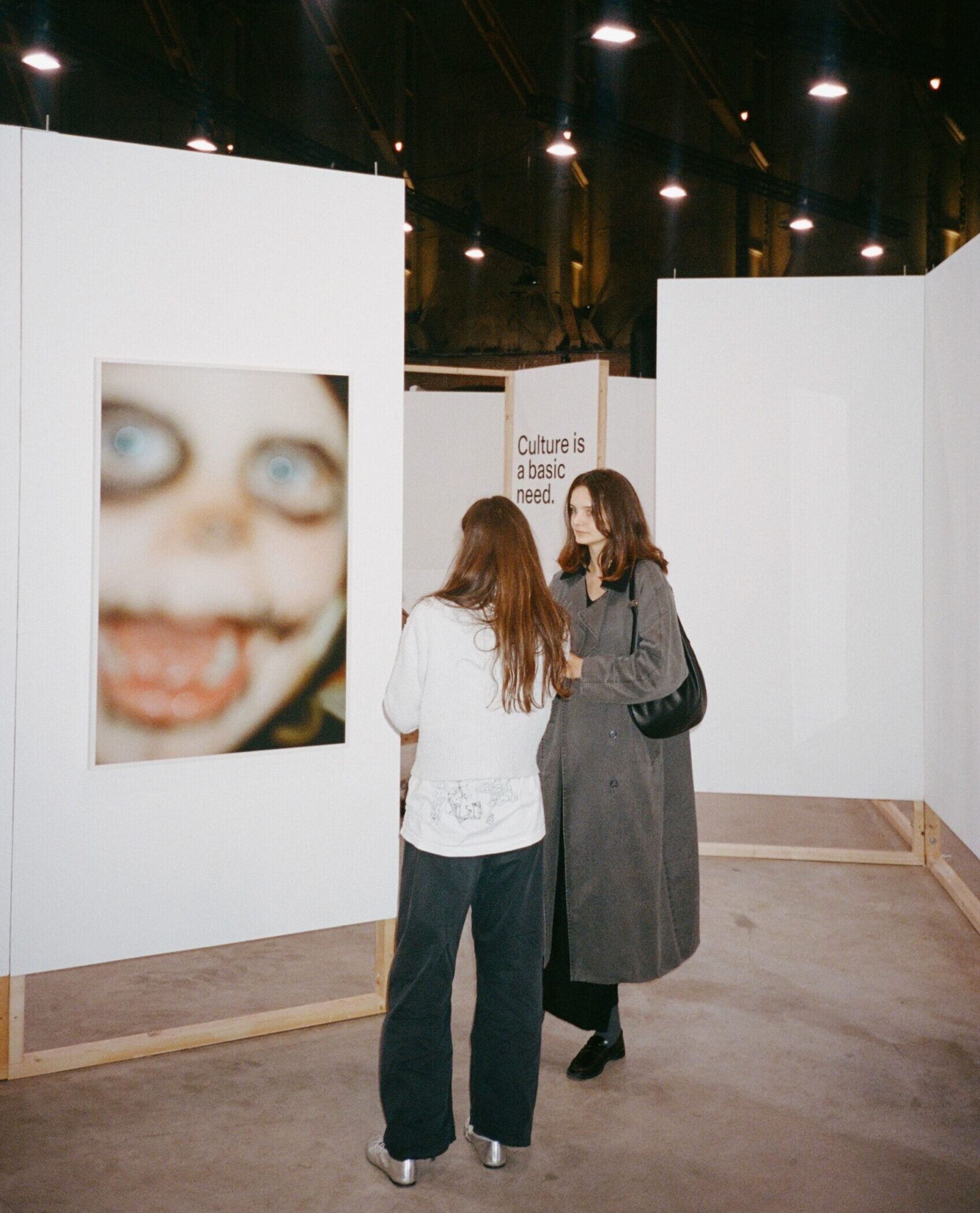
Manifestation #23 Truth by Miles Greenberg
Manifestation #51 Photo by Dre Amponsah
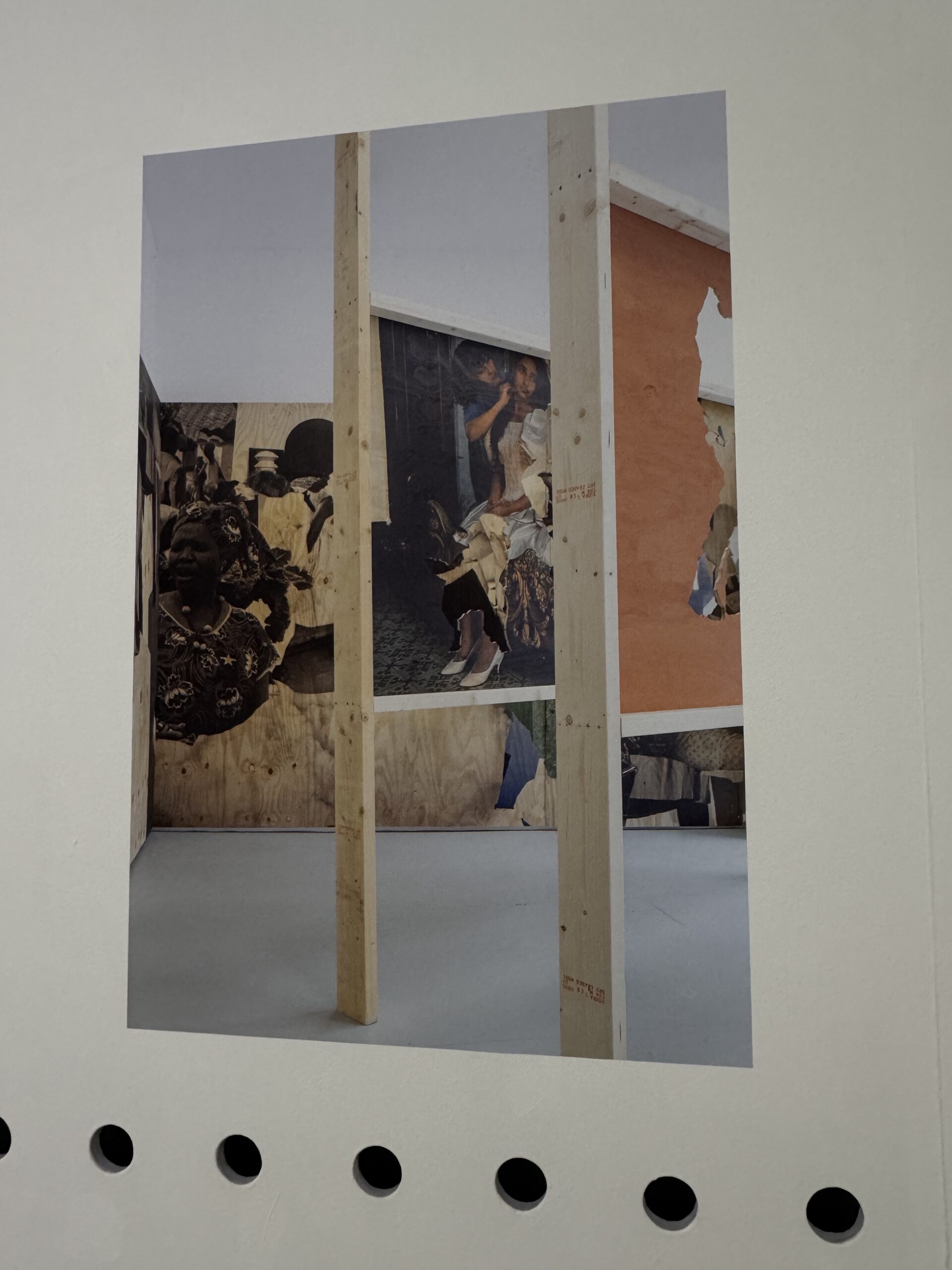
Manifestation #16 Photo by Ernst van Deursen
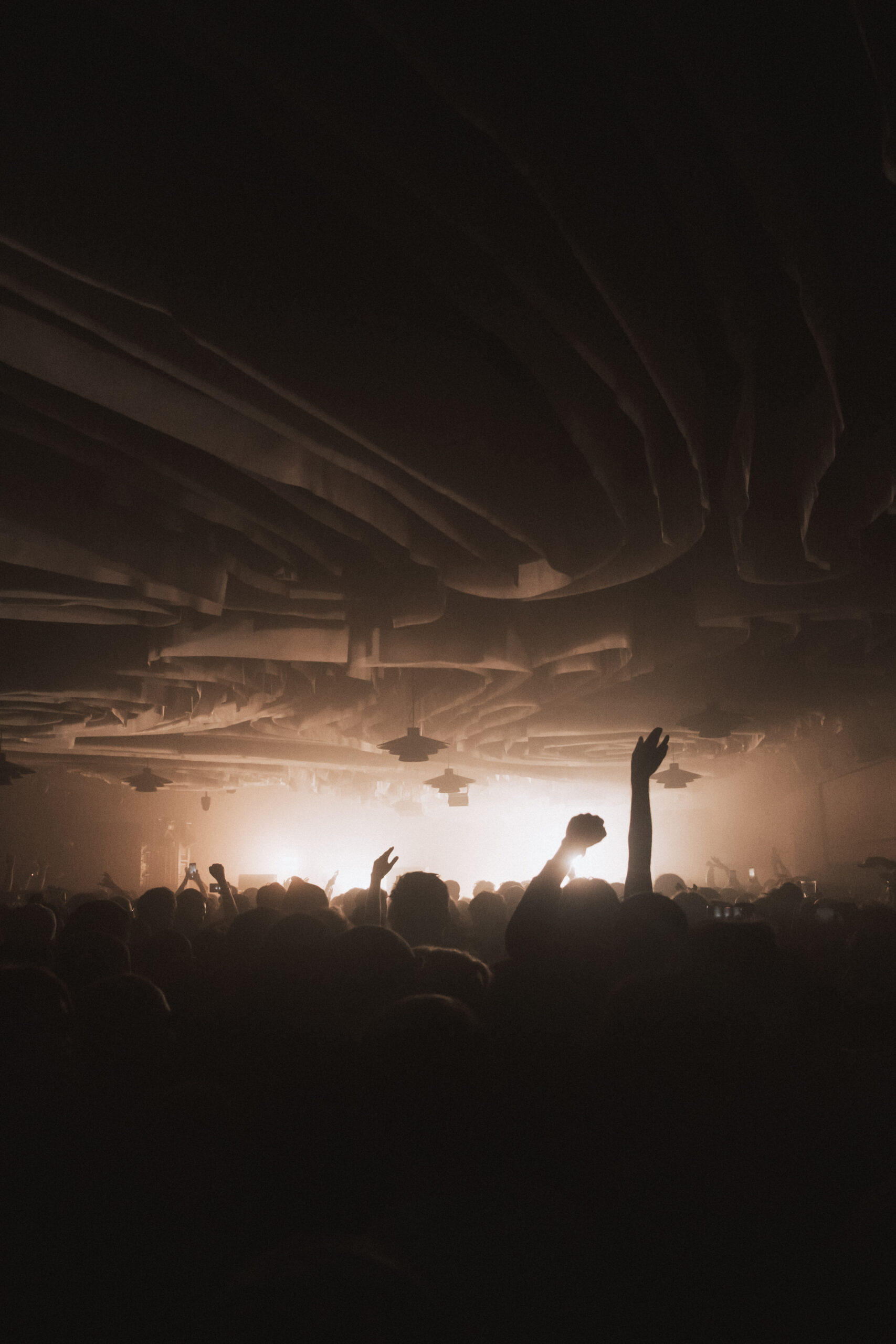
Manifestation #11 Mal Ora co-curated by Kevin Osepa with performances by Travis A. G. Geertruida, Lakisha Apostel, Guenn Ramon Gustina and Yeshua Tjie-A-Loi
Manifestation #16 Photo by Ernst van Deursen
Manifestation #80 The Belly of Momo by Kevin Osepa Photos by Peter Tijhuis
Manifestation #16 Photo by Ernst van Deursen
Last week also marked the book launch. What does the publication capture for you and for the legacy of the Buro?
The book grew with us. We planted the seed in summer 2023 and it developed alongside the manifestations, the questions, the community. Working with Onomatopee, Associate Editor Gwen Parry, and Project Manager Niels Staats has been its own journey.
Seeing all these incredible voices in conversation — Tina Campt, Christina Sharpe, Quinsy Gario, Wayne Modest, Yvette Mutumba, Emily Pethick, Ola Hassanain — it’s wild. How do you make noise inside an institution without getting swallowed by it?
How We Made Noise proves that this experiment wasn’t just about exhibitions. It was a living case study. It holds the friction and the possibility. The urgent conversations about representation and what the museum could be. It’s a love letter and a blueprint. Here’s what we did. Here’s who we did it with. Take it and build something else. Your turn.
You just announced that you are leaving the Buro. What feels next for you right now?
I don’t fully know, and that feels delicious. I’m giving myself permission not to have answers yet. I want to keep working where curation, research, and world building meet. Slower projects. Deeper relationships. Sustained thinking. Mostly I’m listening to what feels necessary. The future’s wide open and I’m ready to see what finds me.
The Belly of Momo is on view at Buro Stedelijk until January 8th 2026. How We Made Noise is available for purchase at Idea Books and select retailers.