Many of the films that have stayed with me over the years show women navigating the world on their own terms. As I started to compile the list, I noticed the different kinds of film making and attitudes. Some are intimate and others are more politically rebellious. Each and every one of them evokes a memory. Identity and the independence are the focus of these films over the decades and different cultures.
Each of these films show the unique space and place women have made. Each film may be different, but when they are viewed together, they speak to the collective experience of womanhood.
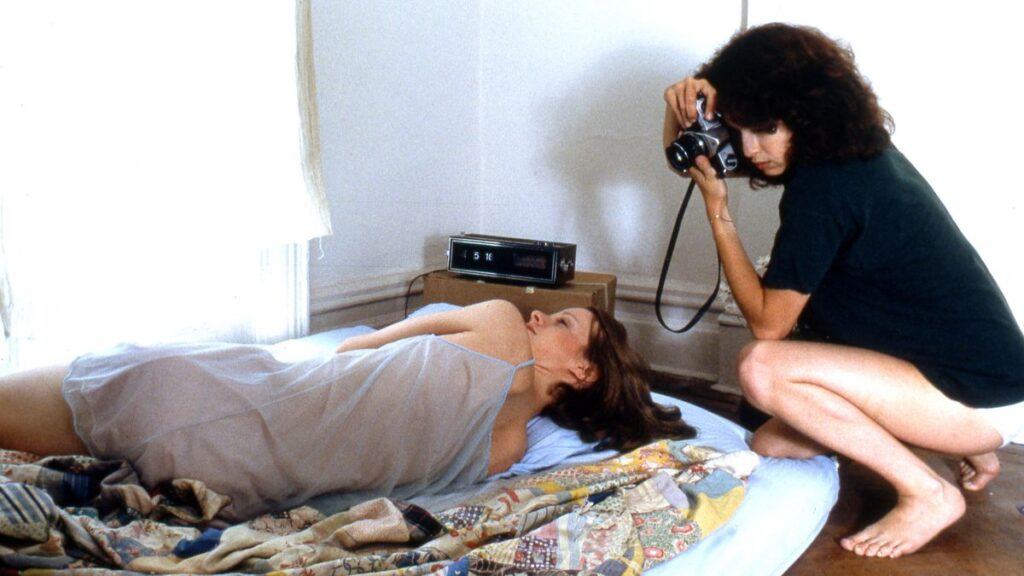
Girlfriends (1978) by Claudia Weill
Girlfriends follows Susan, a young photographer in New York, as she navigates work, friendships, and independence. Her bond with her best friend Anne is tested by love, ambition, and changing circumstances. The film portrays womanhood as a lived experience shaped by choices, compromise, and small victories. New York itself influences and reflects the challenges Susan faces while building a life on her own terms. Girlfriends is intimate and grounded, showing the beauty and difficulty of sustaining relationships while claiming independence.
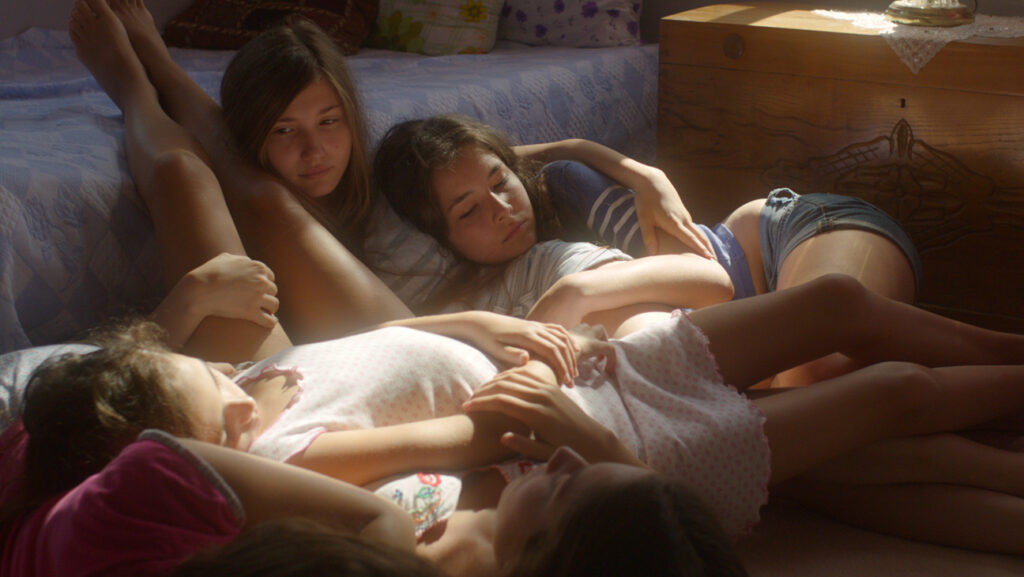
Mustang (2015) by Deniz Gamze Ergüven
Set in a small Turkish village on the Black Sea coast, Mustang follows five sisters whose lives are brimming with playful freedom. They swim in rivers, run through fields, and tease boys with a mixture of daring and innocence. That freedom is quickly confronted when a neighbor’s complaint triggers the adults around them to impose strict restrictions. The sisters are forced to wear traditional clothes, stay inside the house, and prepare for arranged marriages. The film is rooted in the cultural tension between tradition and modernity in contemporary Turkey, showing how patriarchy shapes girls’ lives from childhood into adolescence. It’s a story of sisterhood, desire for freedom, and the bittersweet ache of growing up too fast.
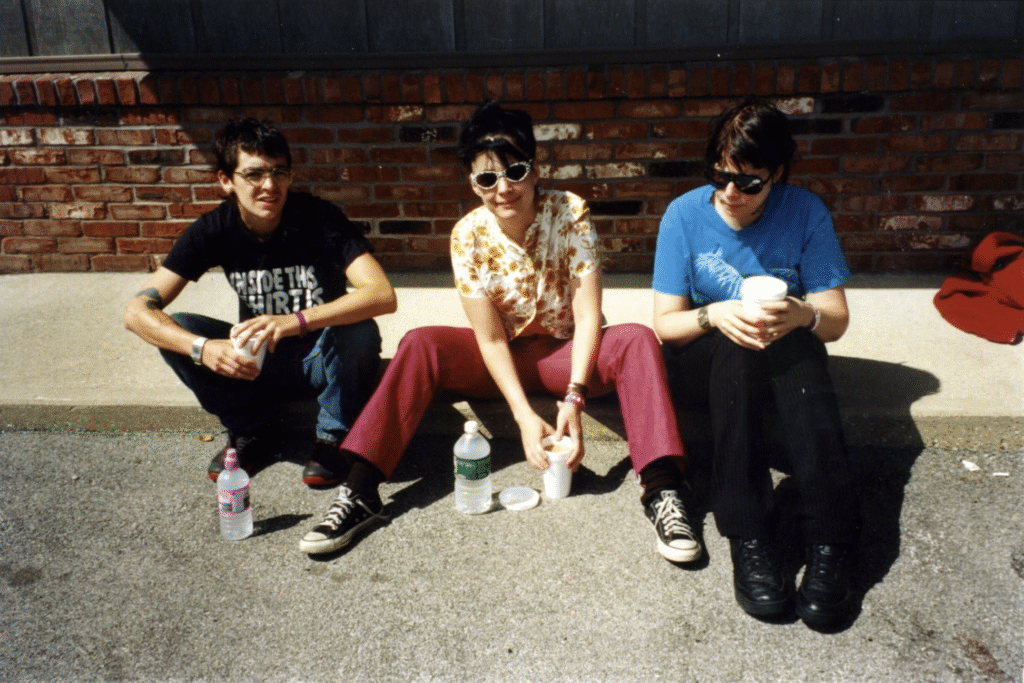
The Punk Singer (2013) by Sini Anderson
A documentary following Kathleen Hanna, lead singer of Bikini Kill, one of the most influential and iconic bands from the Riot Grrrl movement of the 90s. The film captures her energy on stage, the way she connects with audiences, and the moments when she reflects on her role in shaping a feminist movement. There is an intimacy in seeing Hanna negotiate fame, friendship, and activism, showing the persistence and courage required to carve out space for women in punk culture. Her humor, vulnerability, and uncompromising drive make the story compelling, and by the end, the influence she had on music, politics, and the communities around her is impossible to ignore.
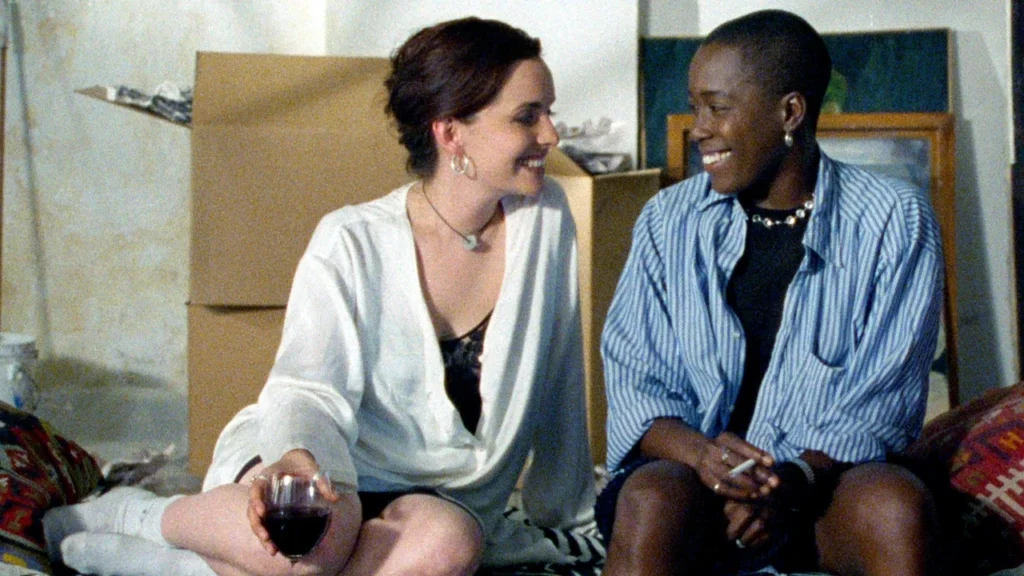
The Watermelon Woman (1996) by Cheryl Dunye
Cheryl is a filmmaker in Philadelphia working on her own projects while uncovering the life of a Black actress from the 1930s who was almost forgotten. As she searches archives and interviews people, her own experiences and relationships intersect with the story she is piecing together. The film follows her curiosity and the connections she makes, showing how she carves out space for herself and for Black women whose stories have been erased. It’s about remembering the women who came before and claiming a place in a world that often overlooks them.

Funeral Parade of Roses (1969) by Toshio Matsumoto
This film follows a trans woman named Eddie as she navigates the underground club scene in Tokyo, where friendships, rivalries, and performances influence day-to-day existence. It paints a vivid picture of a world full of vibrancy and severity, shot in black and white with pops of colour. Eddie’s experiences draw attention to identity and awareness issues, and the narrative illustrates how transgender women make a name for themselves in a culture which frequently ignores them. It’s a moving and personal portrayal that sticks with you long after the film is over.
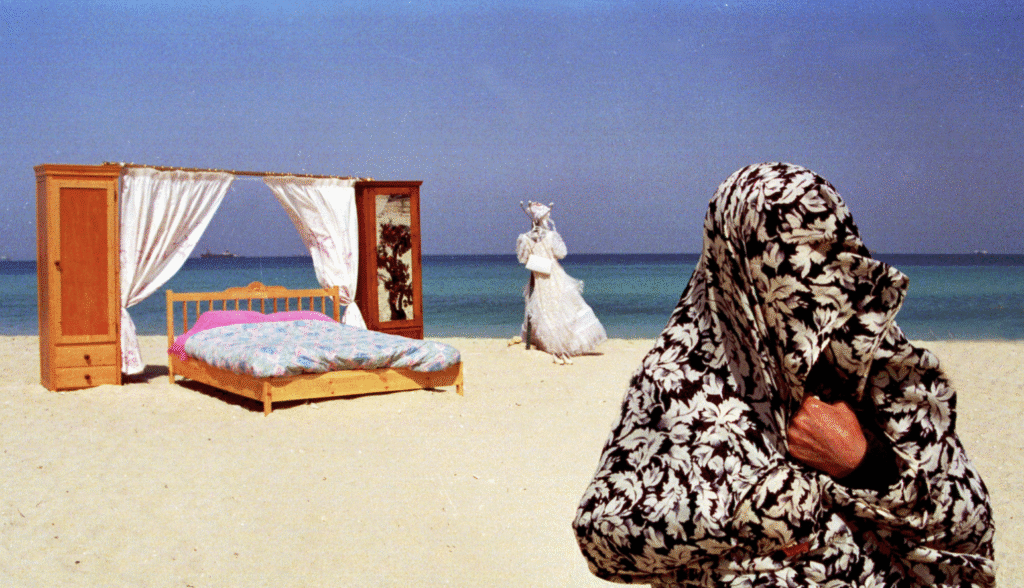
The Day I Became A Woman (2000) by Marziyeh Meshkiny
In Iran, a young girl runs through her village on the day she is told she has become a woman. She is forced to follow rules that suddenly feel heavy, and she tests what she can do while the world watches. A woman rides her bicycle across the desert, refusing to stop even when others try to block her path. In the city, an older woman finally buys the clothes and objects that were denied to her for decades. Each story shows women making choices and claiming small freedoms within the limits set around them. The film moves through different ages, cultures, and spaces, and it captures the ways life changes for women at each stage.
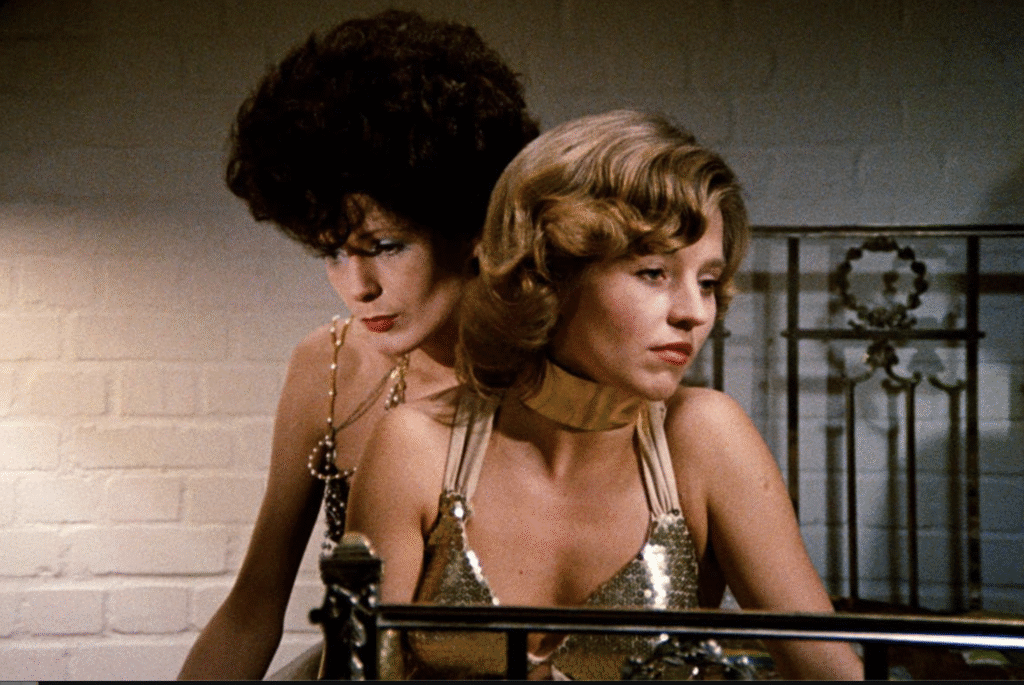
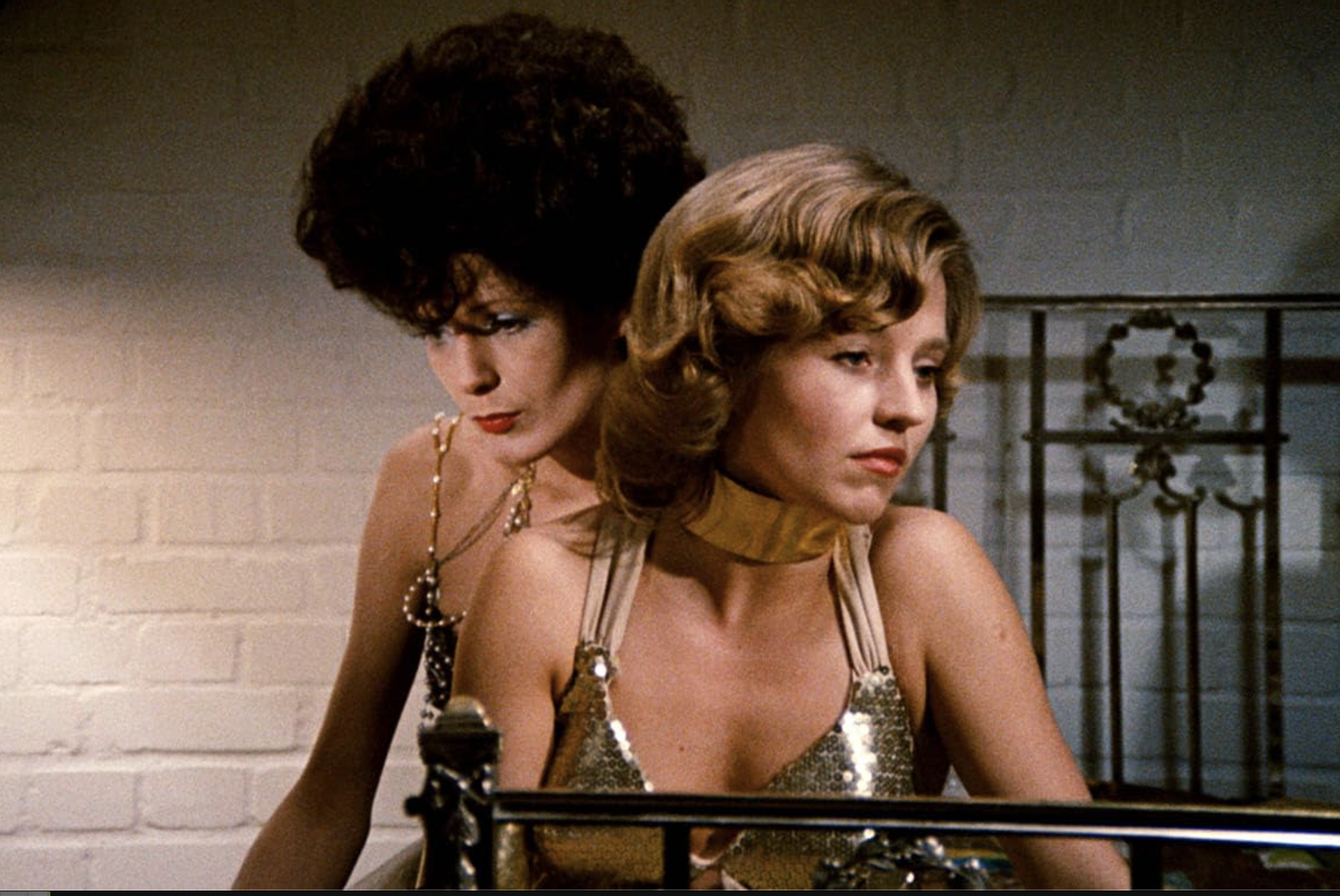
The Bitter Tears of Petra von Kant (1972) by Rainer Werner Fassbinder
Petra is a fashion designer in early 1970s Germany whose life shifts when Karin enters her apartment.The progression of their relationship evolves from fascination to interdependency, and the majority of the action takes place in Petra’s beautifully decorated environment. The film, with its use of vibrant and deeply colored hues, is a product of the visual and cultural characteristics of the 1960s.Those interactions between Petra, Karin and the other women around her showcase the complexity of female intimacy. Every gesture and conversation is choreographed to display the battle for control and affection which establishes the apartment as a battleground for emotional interplay.
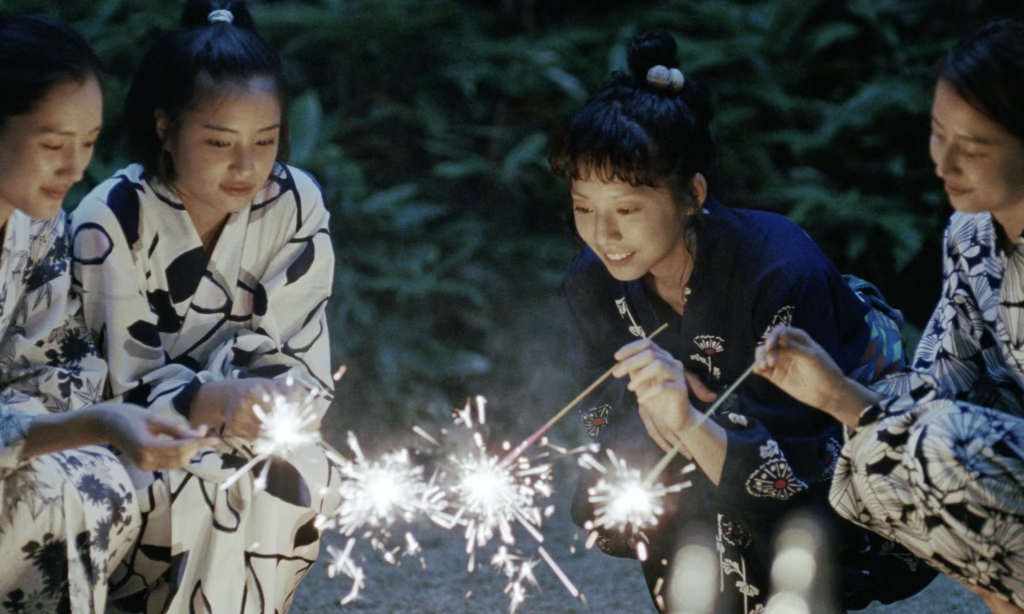
Our Little Sister (2015) by Hirokazu Kore-eda
In Kamakura, three sisters adopt their teenage half-sister and integrate her into their everyday routines. The strength of their relationships and the ways they negotiate sovereignty together are revealed through shared meals, evening talks, and minor arguments.
The film represents how women develop and help one another while establishing a balanced mix between love, tenderness, and rage. It’s natural to see the intricacies of sibling relationships and the little actions that have emotional significance when watching this film.
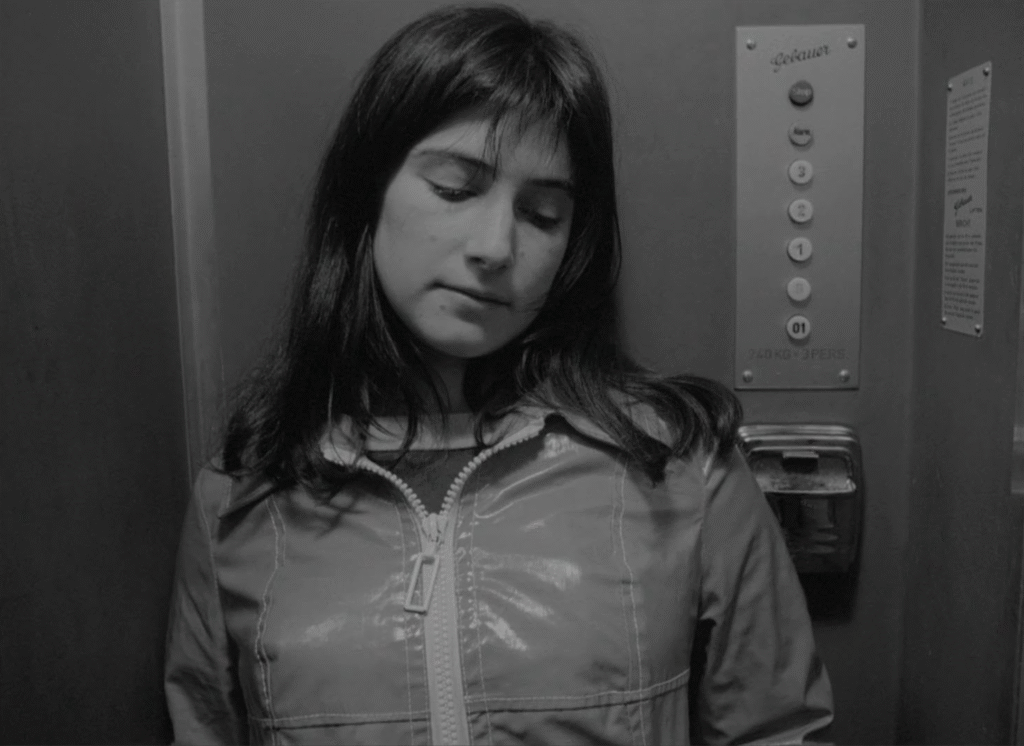
Je Tu Il Elle (1974) by Chantal Akerman
A woman travels across Belgium, leaving her home and meeting strangers along the way. She reconnects with a former lover, and these encounters reveal her desires and independence. Shot in long, steady takes, the film gives attention to the spaces she moves through, from empty rooms to stretches of road, giving them a sense of being part of her narrative. There is a deliberate stillness that lets her choices and movements speak, showing the quiet work of claiming autonomy and exploring what it means to live as a woman on her own terms.
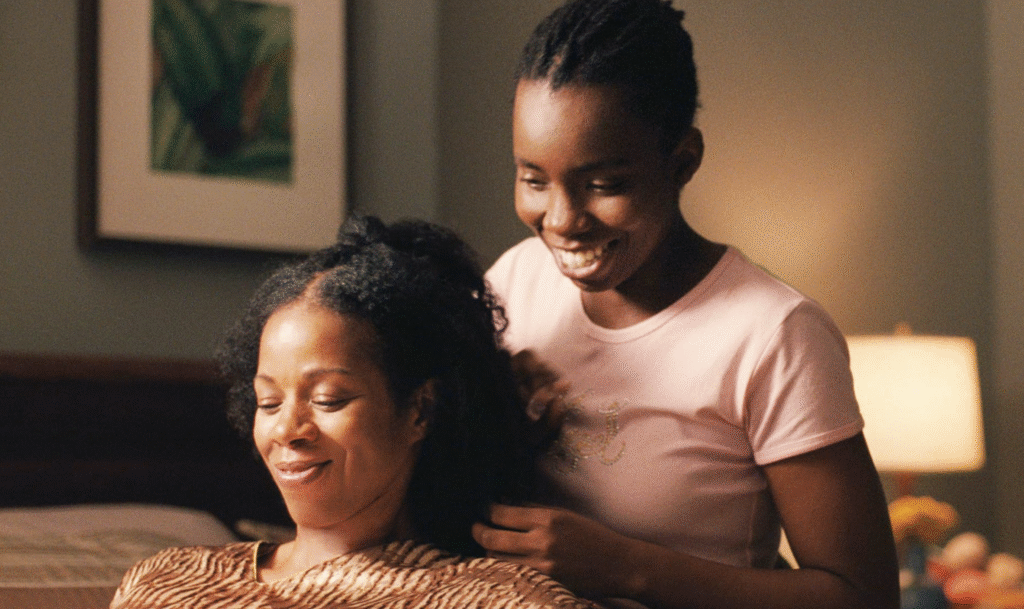
Pariah (2011) by Dee Rees
Alike is seventeen and discovering her identity as a Black lesbian in Brooklyn, navigating a world that often misunderstands or refuses to see her. At home, her mother struggles to connect, while at school, friendships and desire challenge who she can be and how she can move through the world. She experiments with clothes, language, and love as a way of claiming her space, each small act a rebellion. Pariah shows the quiet courage it takes to step fully into womanhood, making even ordinary gestures feel revolutionary. Changing an outfit, writing a poem, or making a call carries weight and possibility. The film is tender and raw, capturing the complexity of growing up while learning to own every part of oneself.