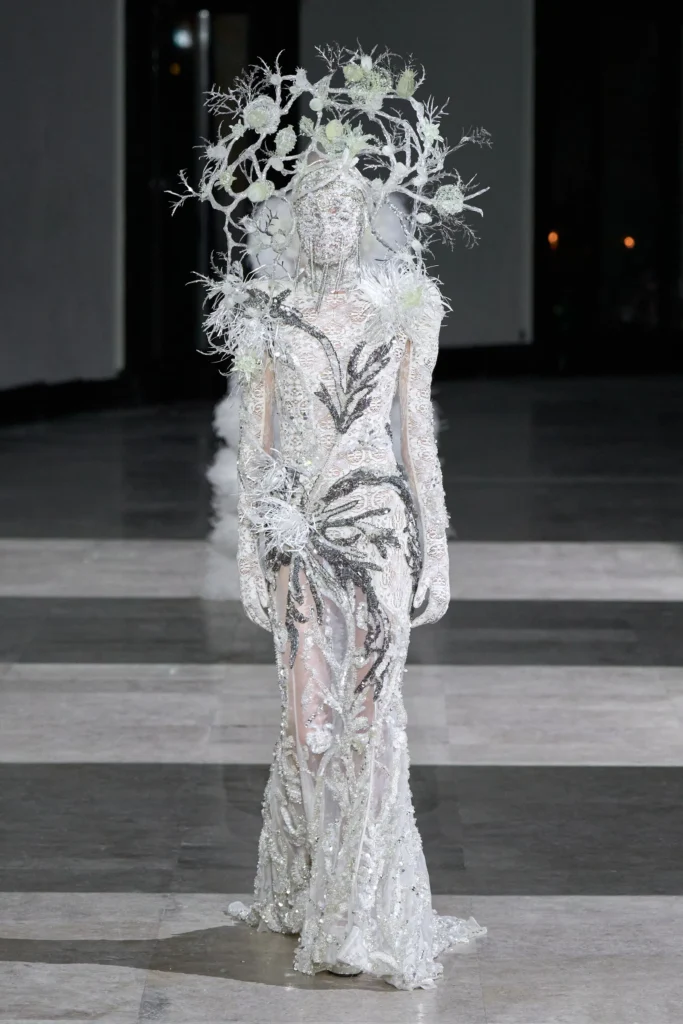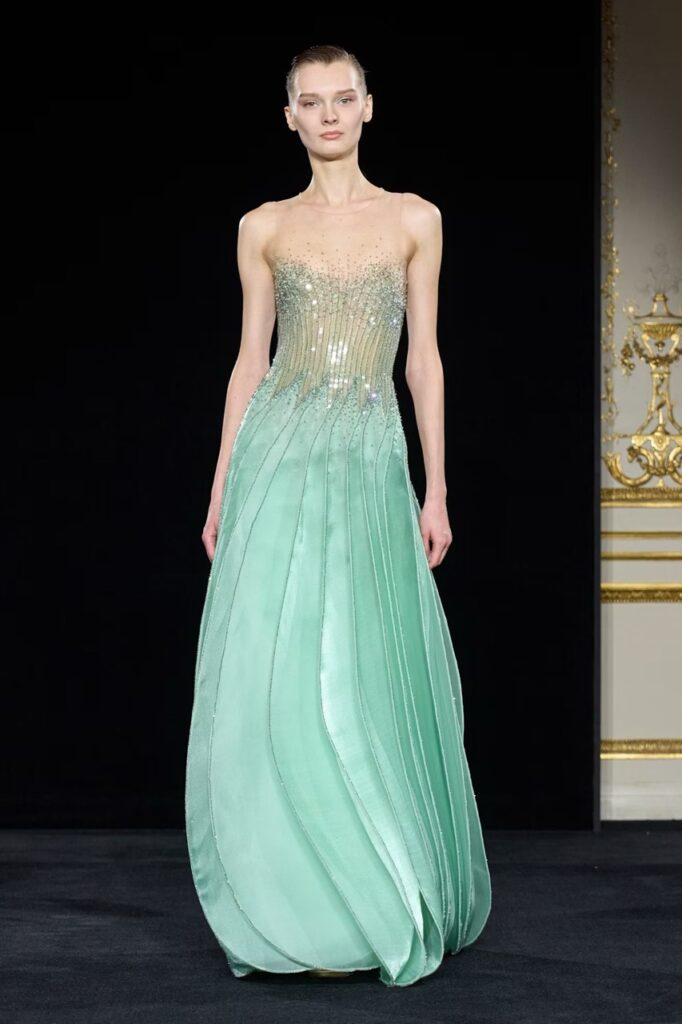
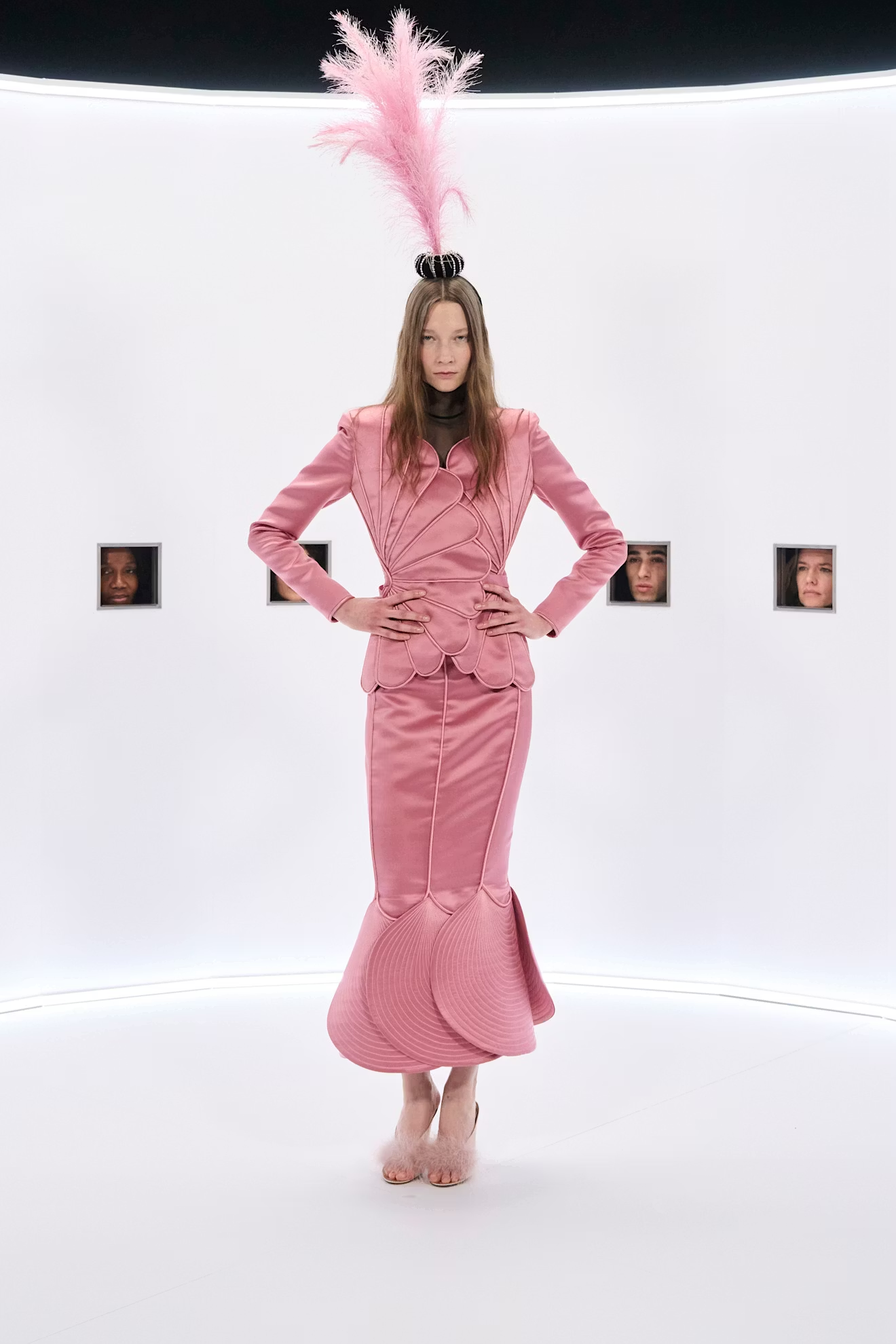
It’s fashion month, baby. Not that we’re particularly participating (this article is coming to you from semi-snowy Amsterdam, aka the gorpcore capital of central Europe). Still, you can trust one thing: our FYPs and the very few conversations we’re having are entirely fashion month–coded. After all, it is a show, and we love to tune in.
Whether it’s Rihanna’s inevitable late arrival, the who is who front-row spotting (even though half the time we’re secretly asking ourselves who? no offence to TikTok), or the full-body shiver that hits when “Silencio” and “afterparty” appear in the same sentence, it’s a guilty pleasure to observe the circus from afar. Frankly, it’s our preferred mode of engagement.
After the regular men’s FW (a week during which the average height in Paris mysteriously spikes), couture week follows, running from January 26–29. The front rows shrink, everything looks even more expensive, celebrities fly in from Calabasas, the craftsmanship turns borderline absurd, and suddenly everyone is saying “couture” like it’s a spiritual practice.
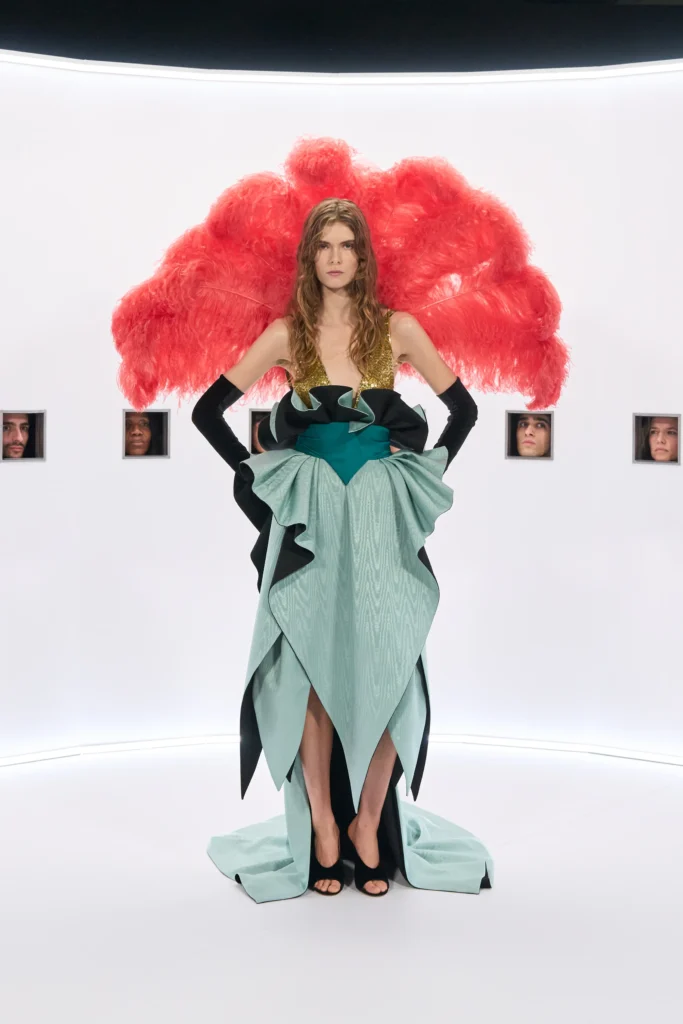
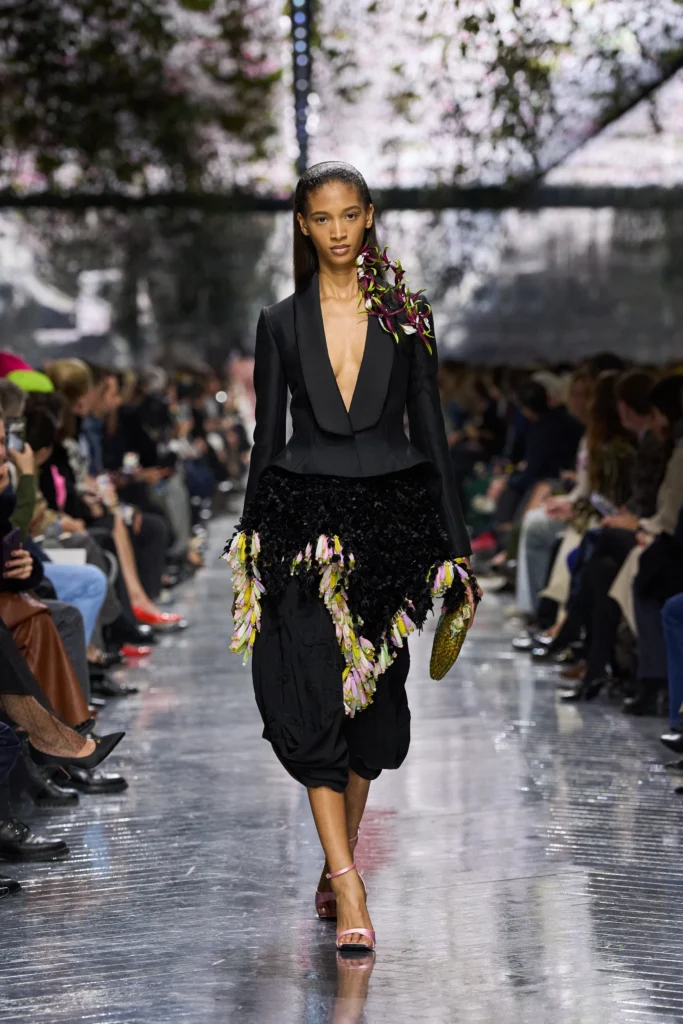
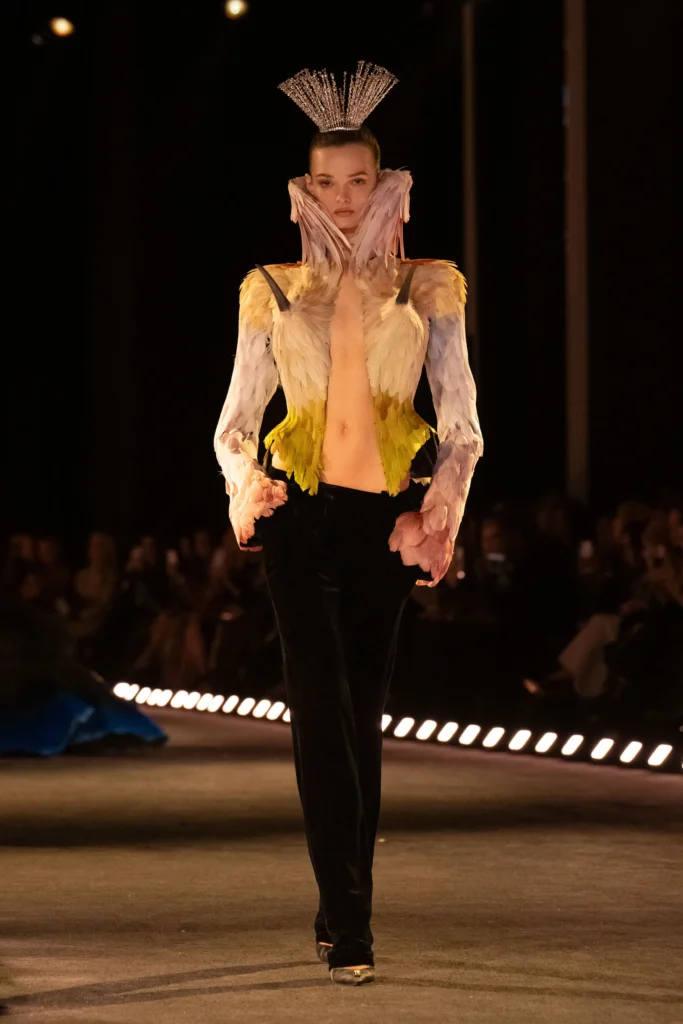
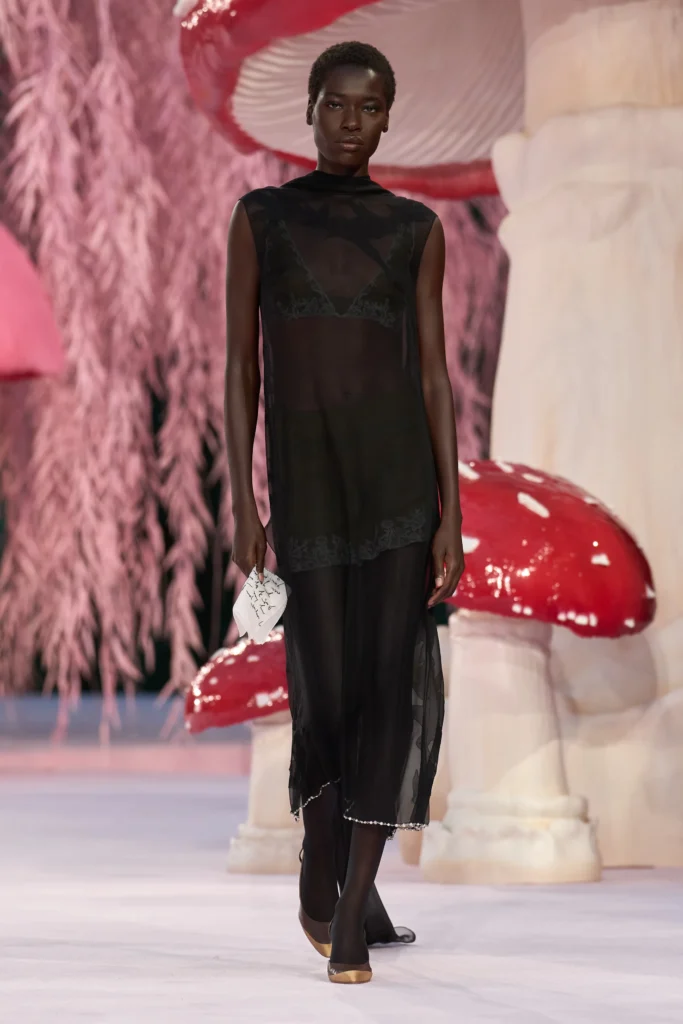
This season, packed with debuts we were somehow all expected to emotionally prepare for, had us glued despite ourselves. But somewhere around the 25th headpiece, the rave reviews, and the comment-section warfare, it hit us: we actually have less of a clue than we thought.
So… what is couture? Who is it really for? And why are we still so obsessed with something this wildly impractical?
What is haute couture?
Haute couture: French for high sewing. Haute couture refers to the highest level of fashion making: custom-made garments produced largely by hand, tailored to a private client’s measurements, created by Paris-based fashion houses that meet strict legal and technical criteria. It is a protected designation in France, regulated by the Chambre Syndicale de la Haute Couture. Not every handmade dress qualifies as couture.
Why did it start?
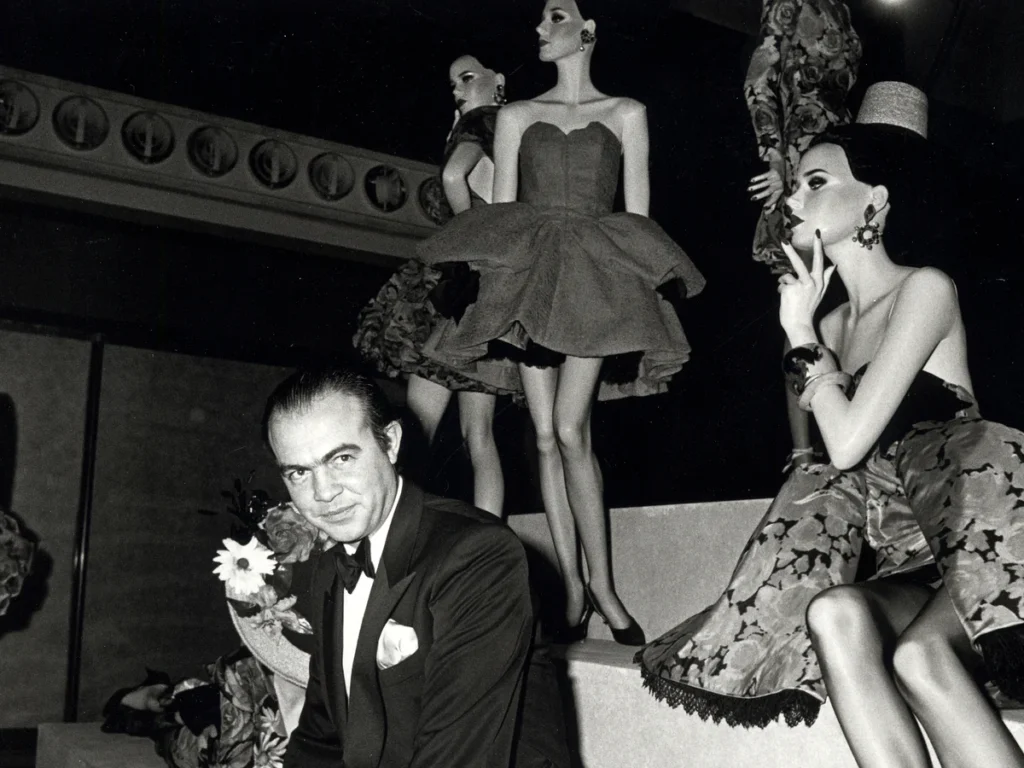
Couture emerged in 19th-century Paris when dressmaking shifted from anonymous labour to designer-led houses. It introduced the designer as author, fashion as seasonal spectacle, and Paris as the industry’s epicentre.
The system began in 1858 when Charles Frederick Worth opened the first couture house, signing his designs and presenting collections under his own name. Fashion became both a luxury product and a cultural performance.
In 1868, the Chambre Syndicale de la Haute Couture was founded to formalise and protect the craft. In 1945, its rules were formally defined and still shape couture today.
The rules, according to the order of April 6, 1945
- Design and create custom garments made to a client’s exact measurements, entirely in-house, with multiple fittings.
- Present two collections per year in Paris, one in January for SS and one in July for AW, each with at least 25 original looks, including both daywear and evening wear.
- Produce only original work, with no designs sourced or purchased from outside.
- Be approved by a special commission under the French Ministry of Industry, overseen by the Chambre Syndicale de la Couture Parisienne, now part of the Fédération de la Haute Couture et de la Mode.
Only houses approved by this commission appear on the official list, which is updated annually. Only those houses are legally allowed to call themselves haute couture.
Couture’s greatest hits over time
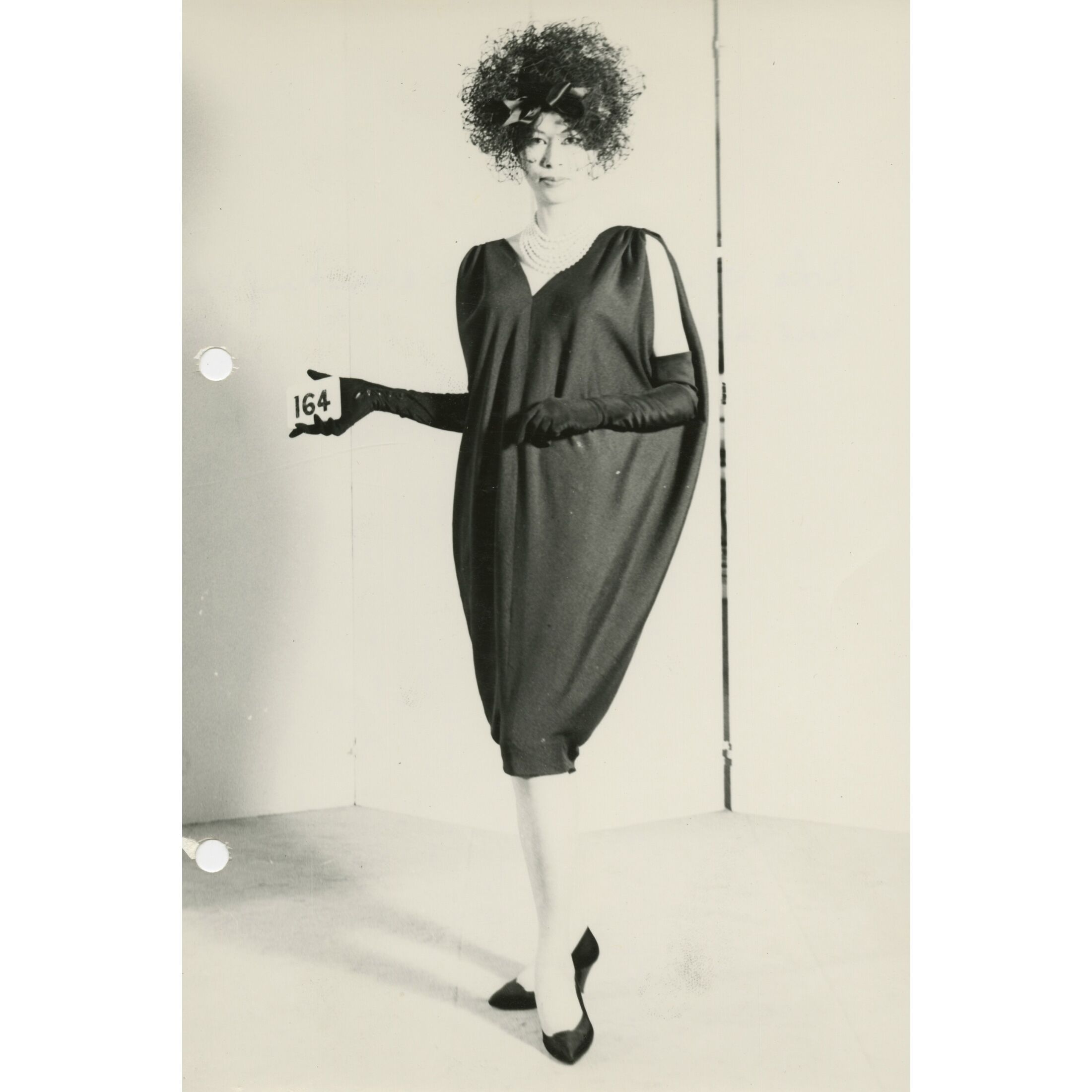
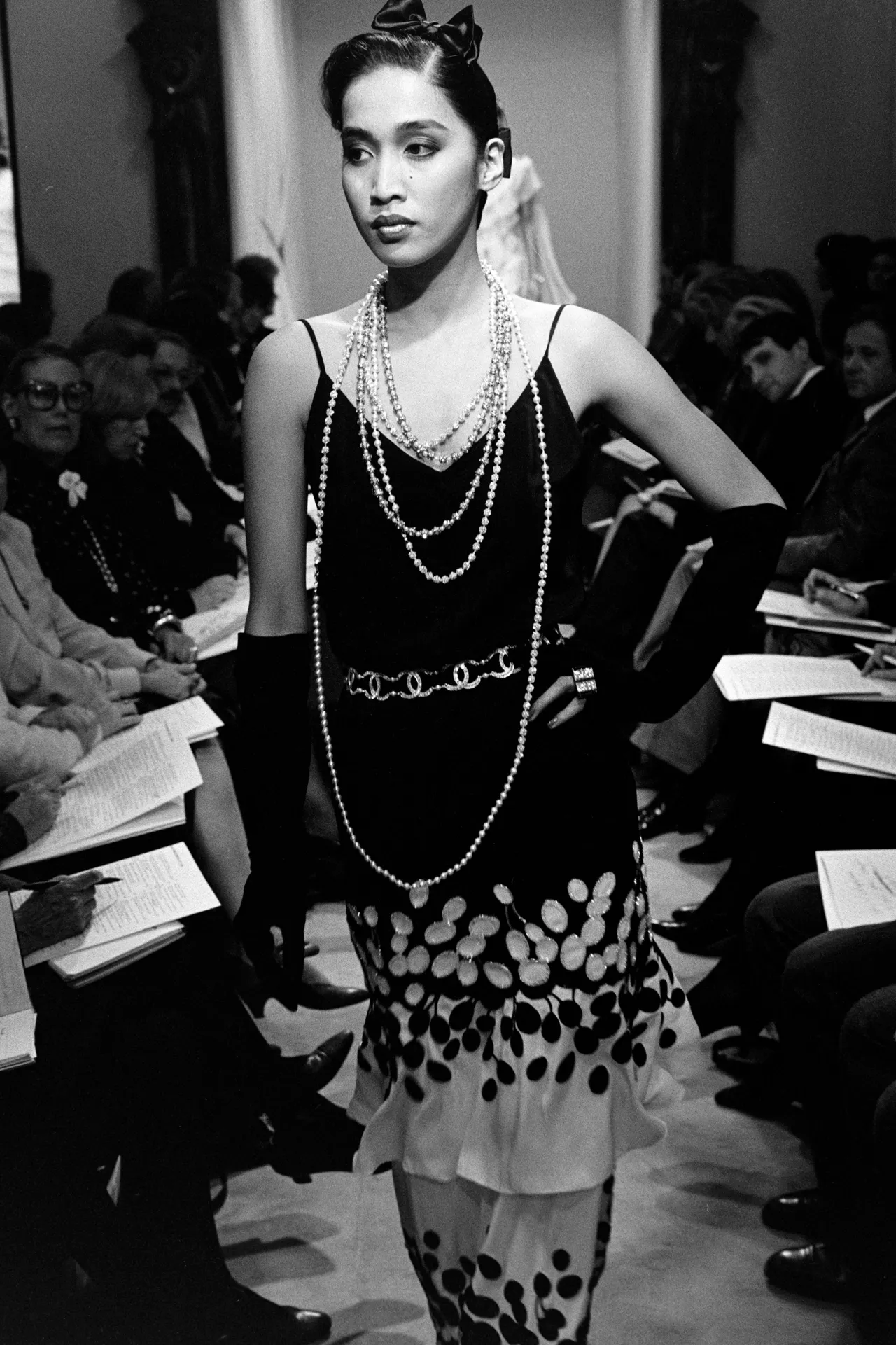
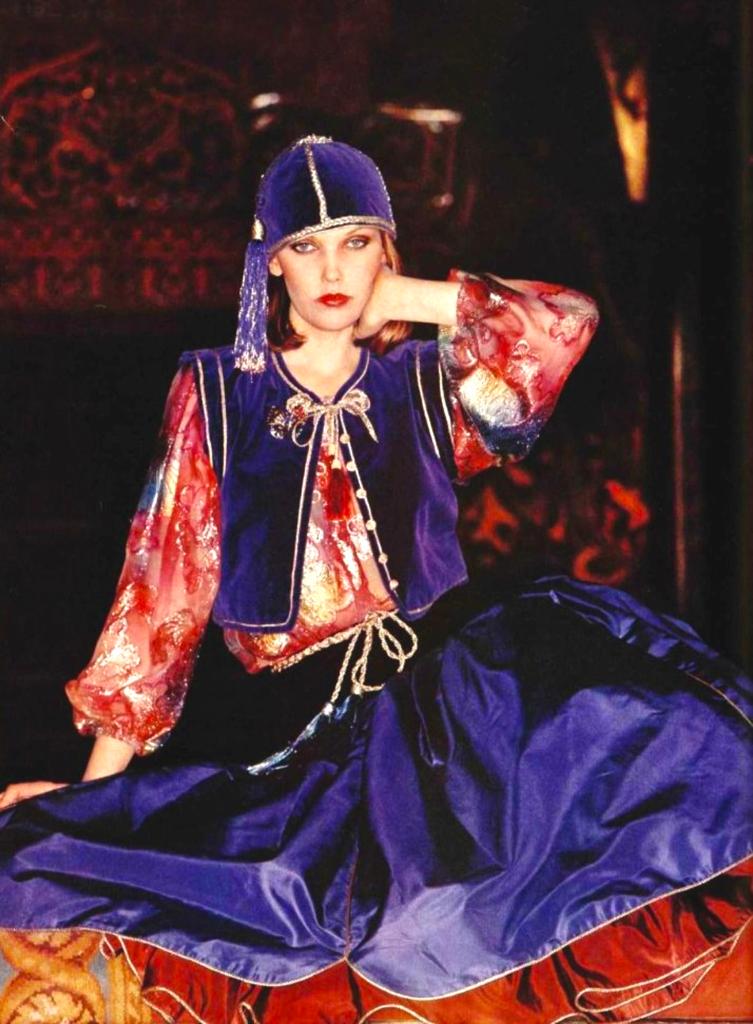
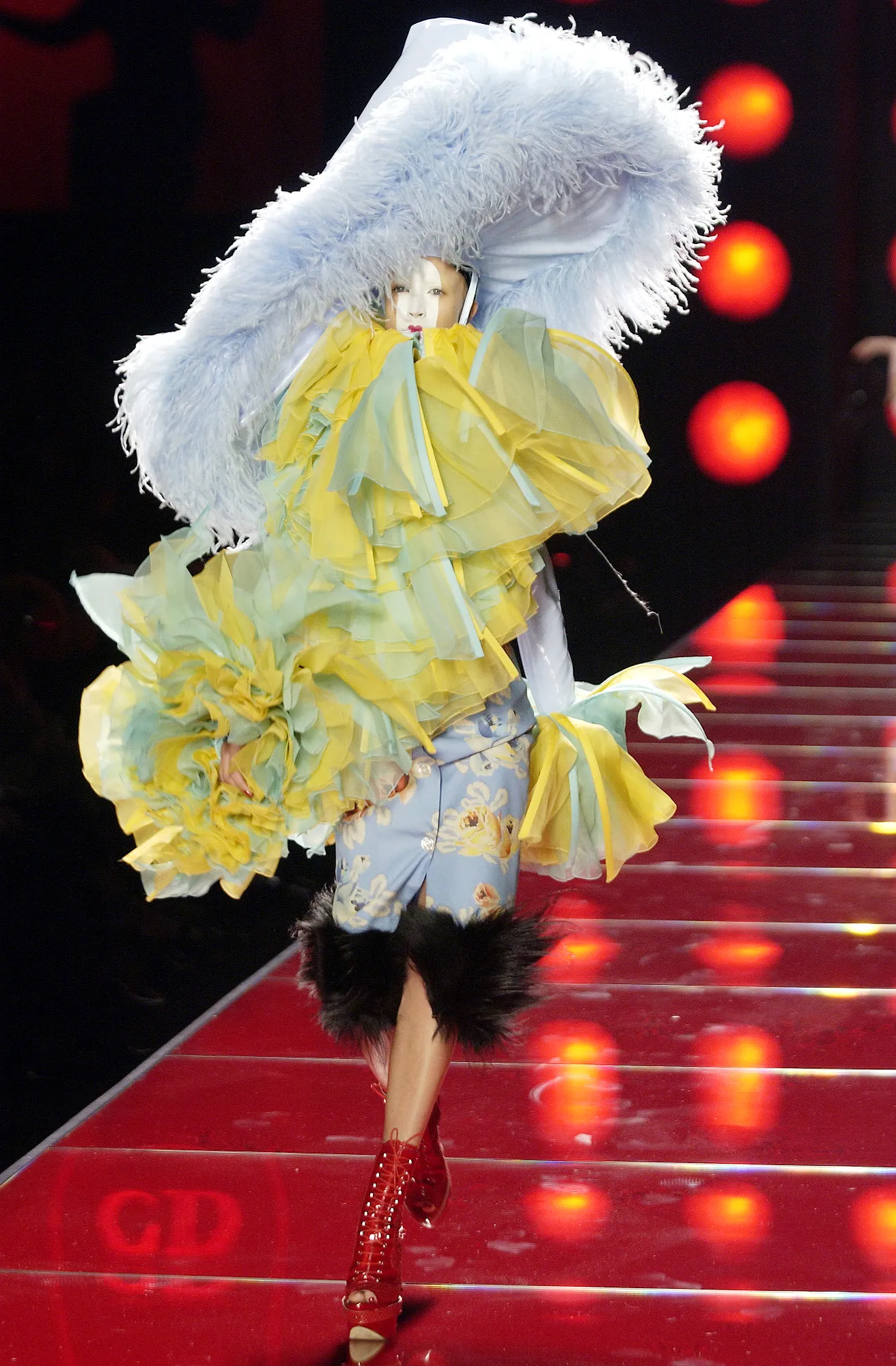
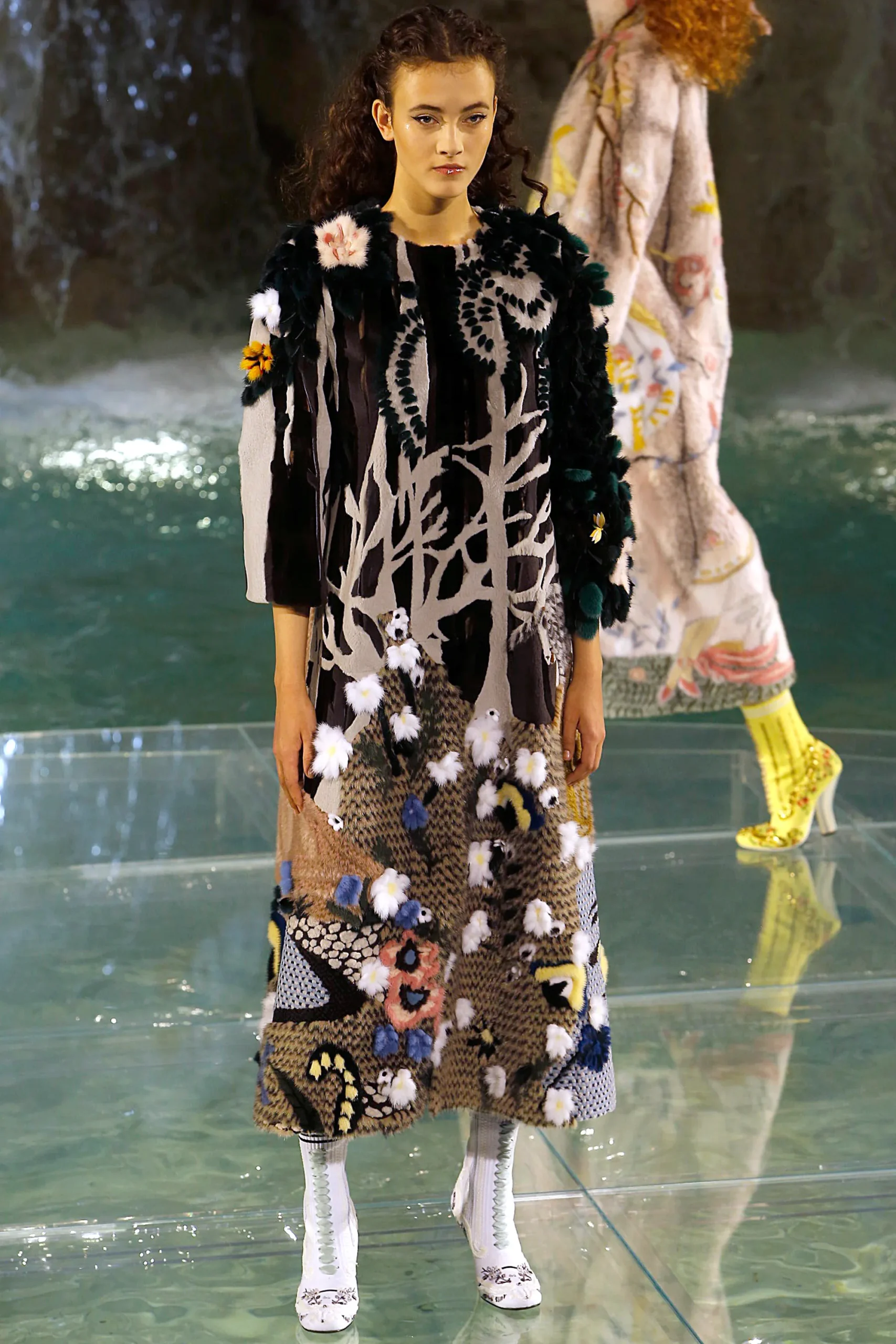
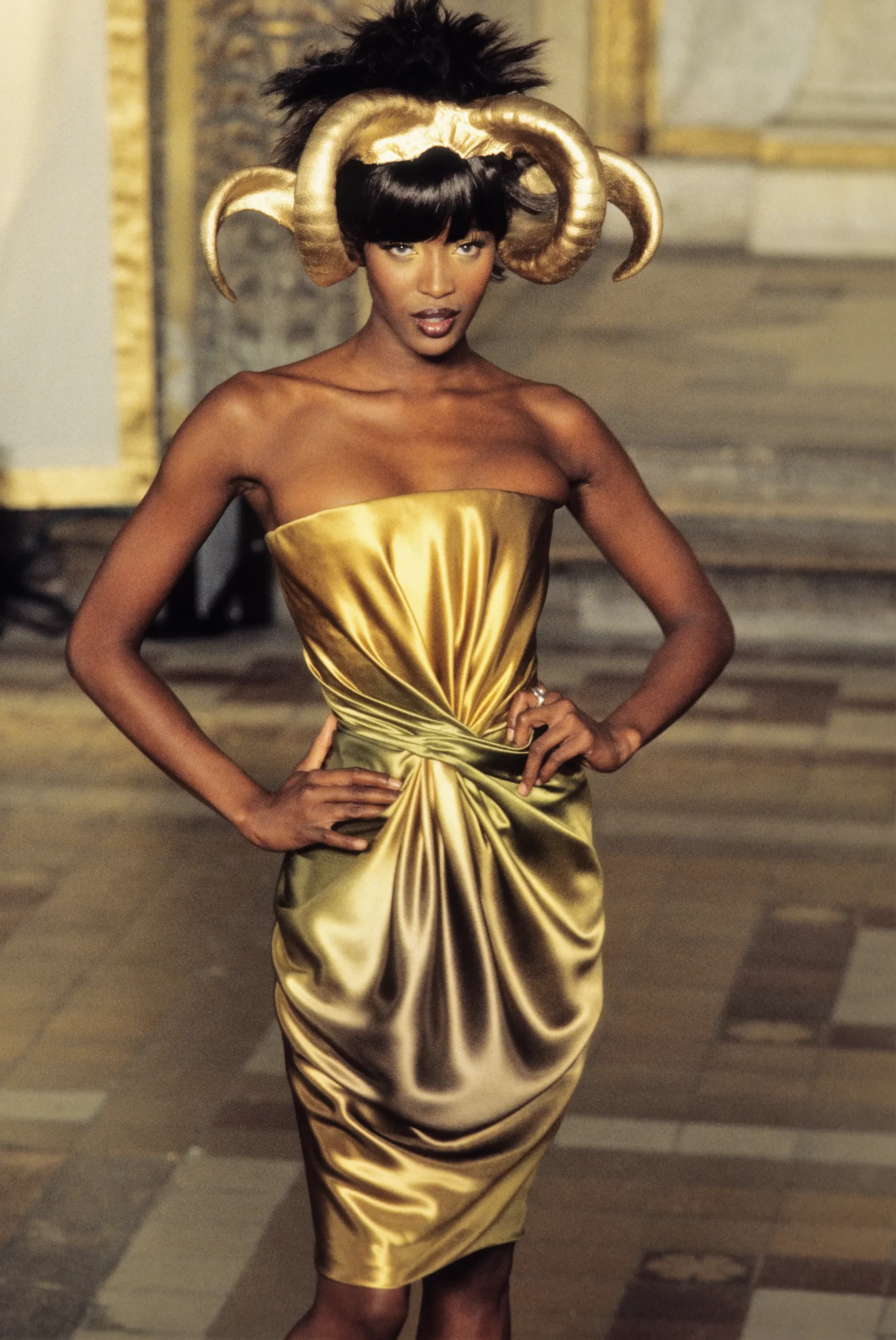
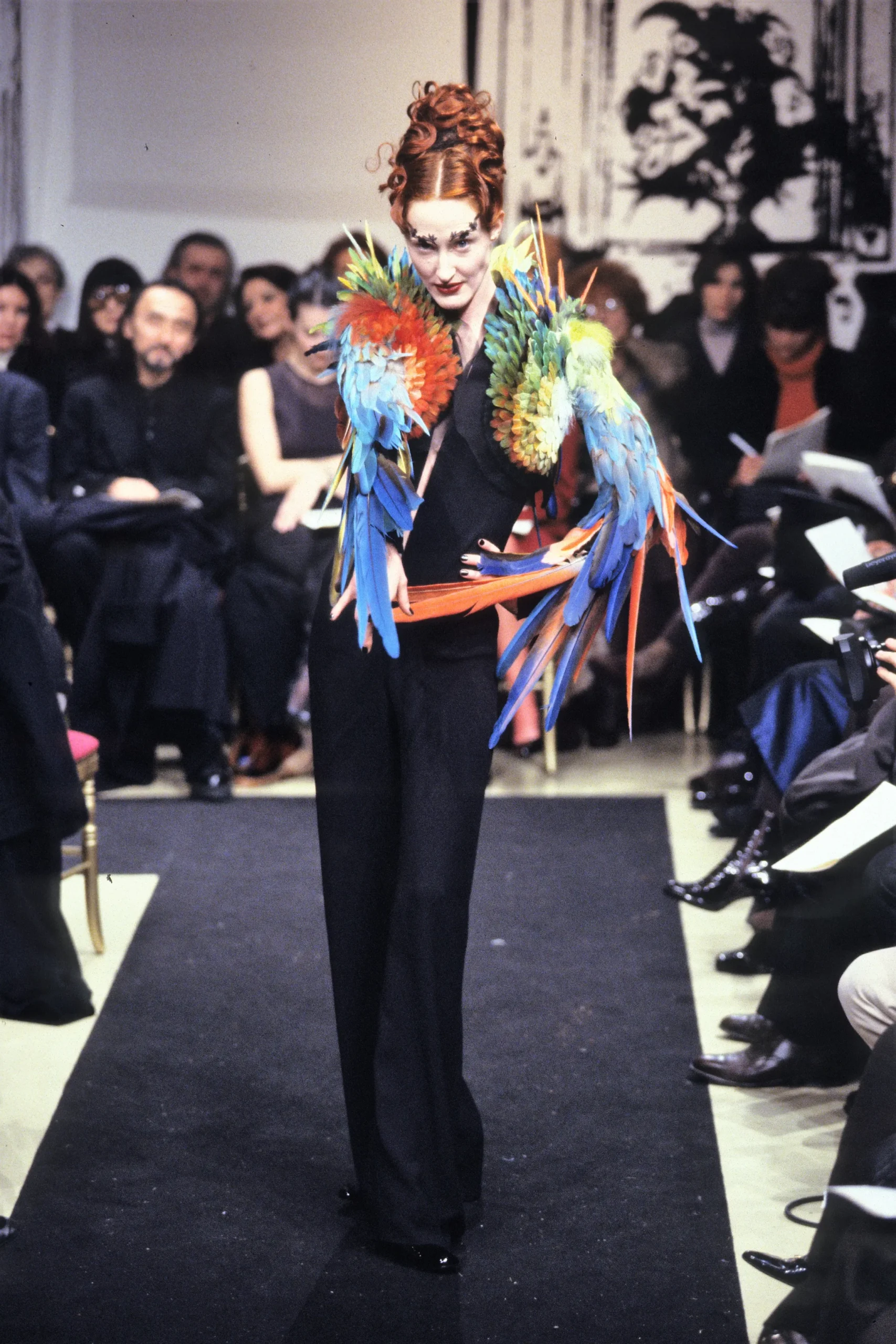
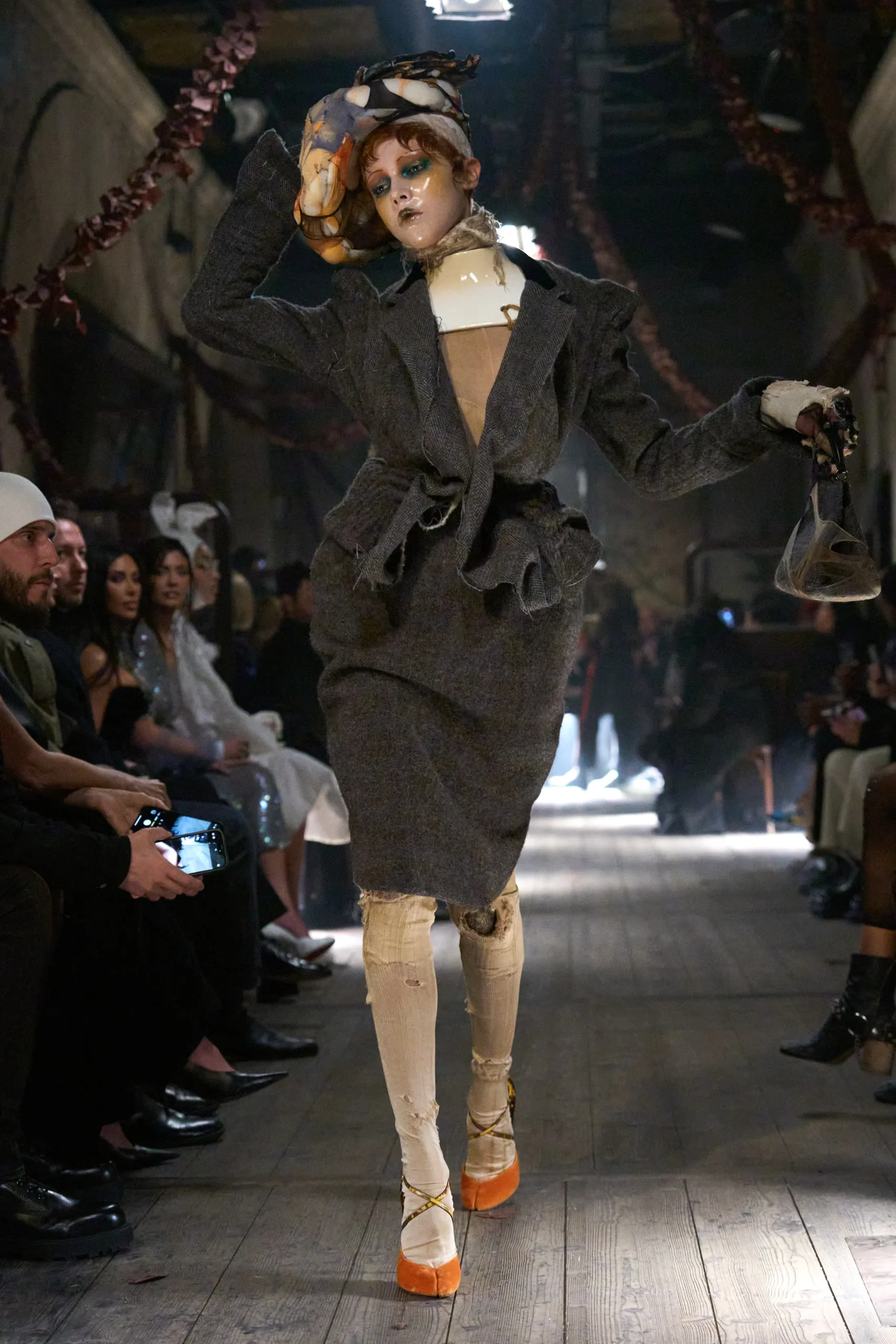
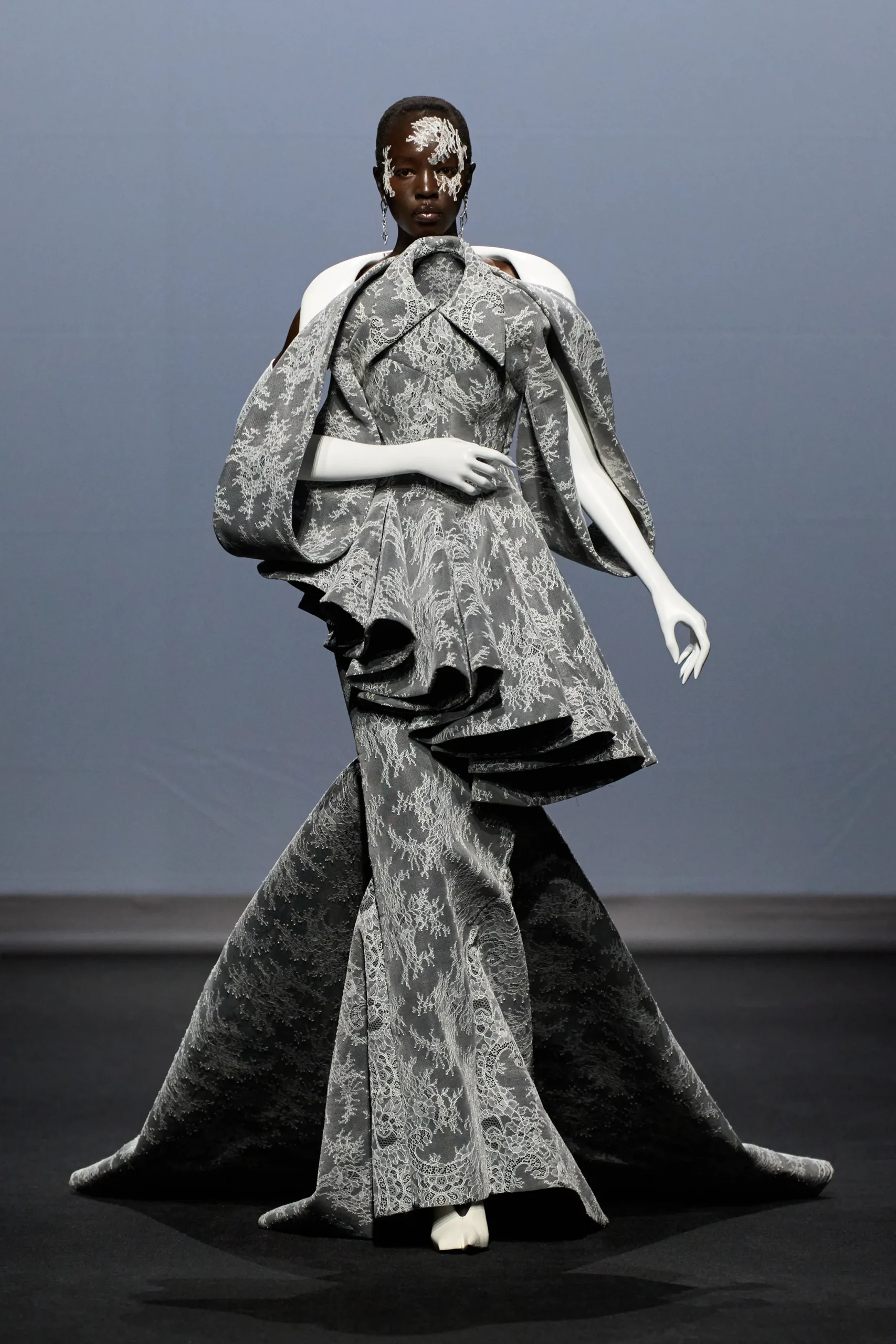
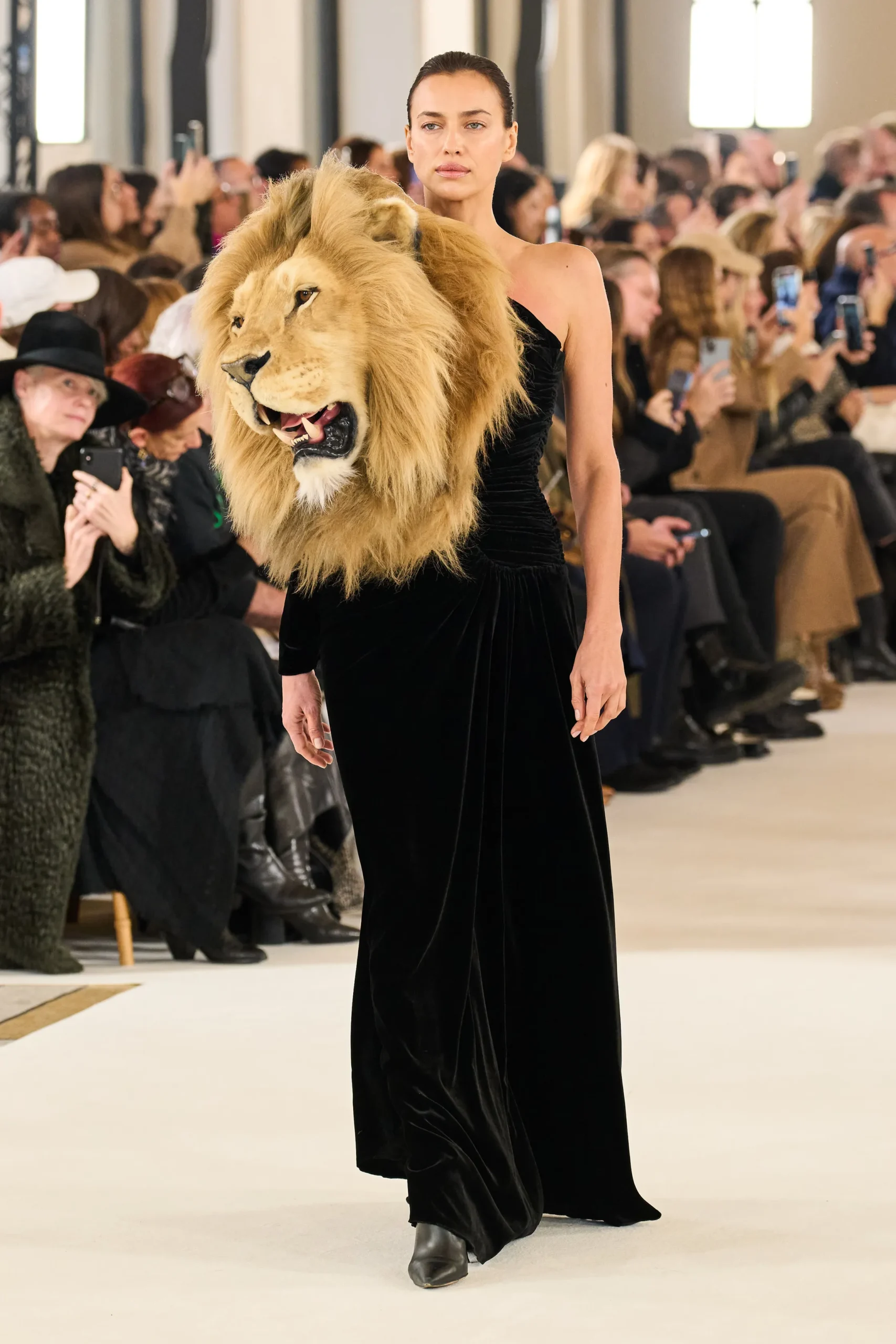
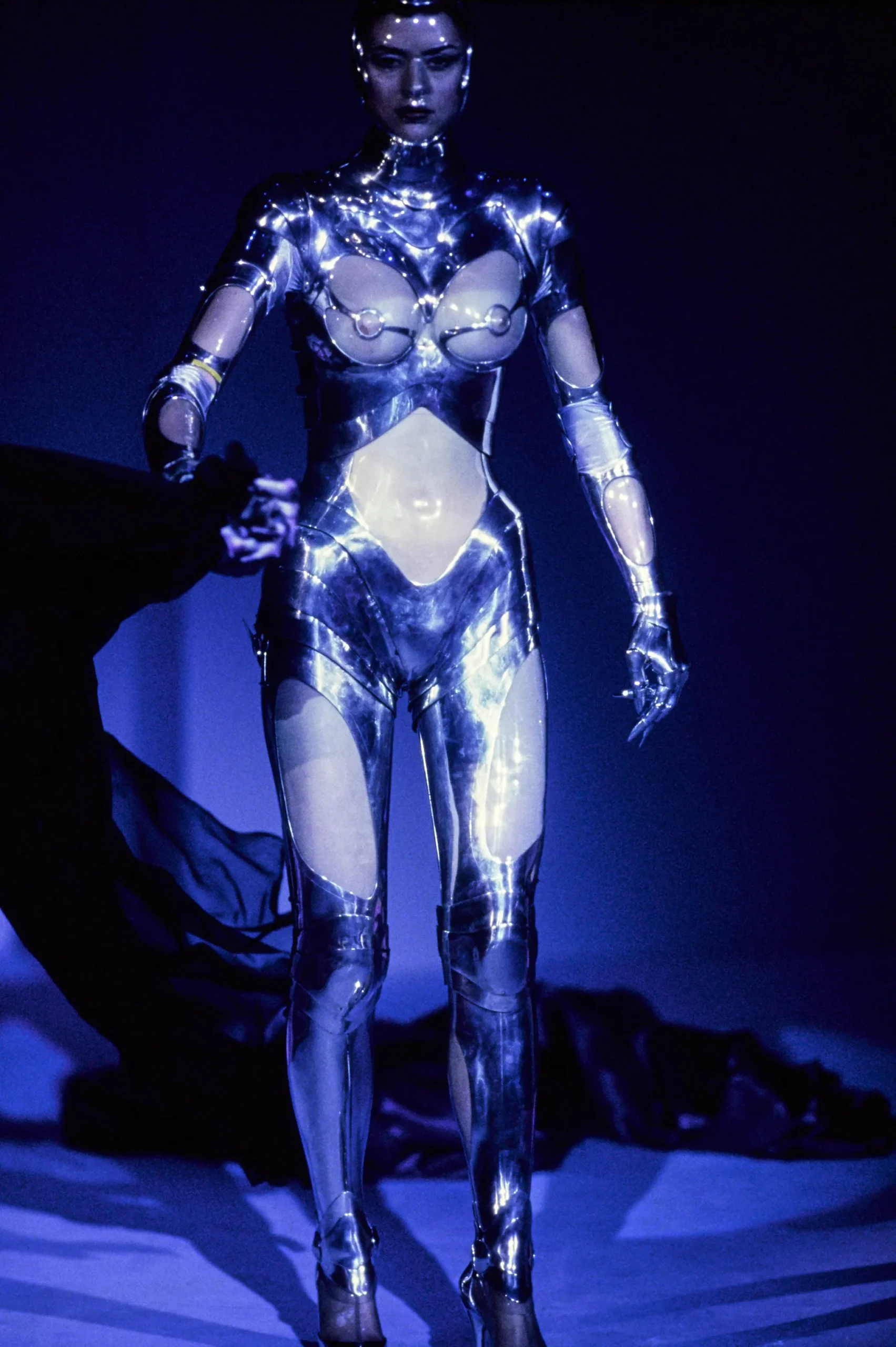
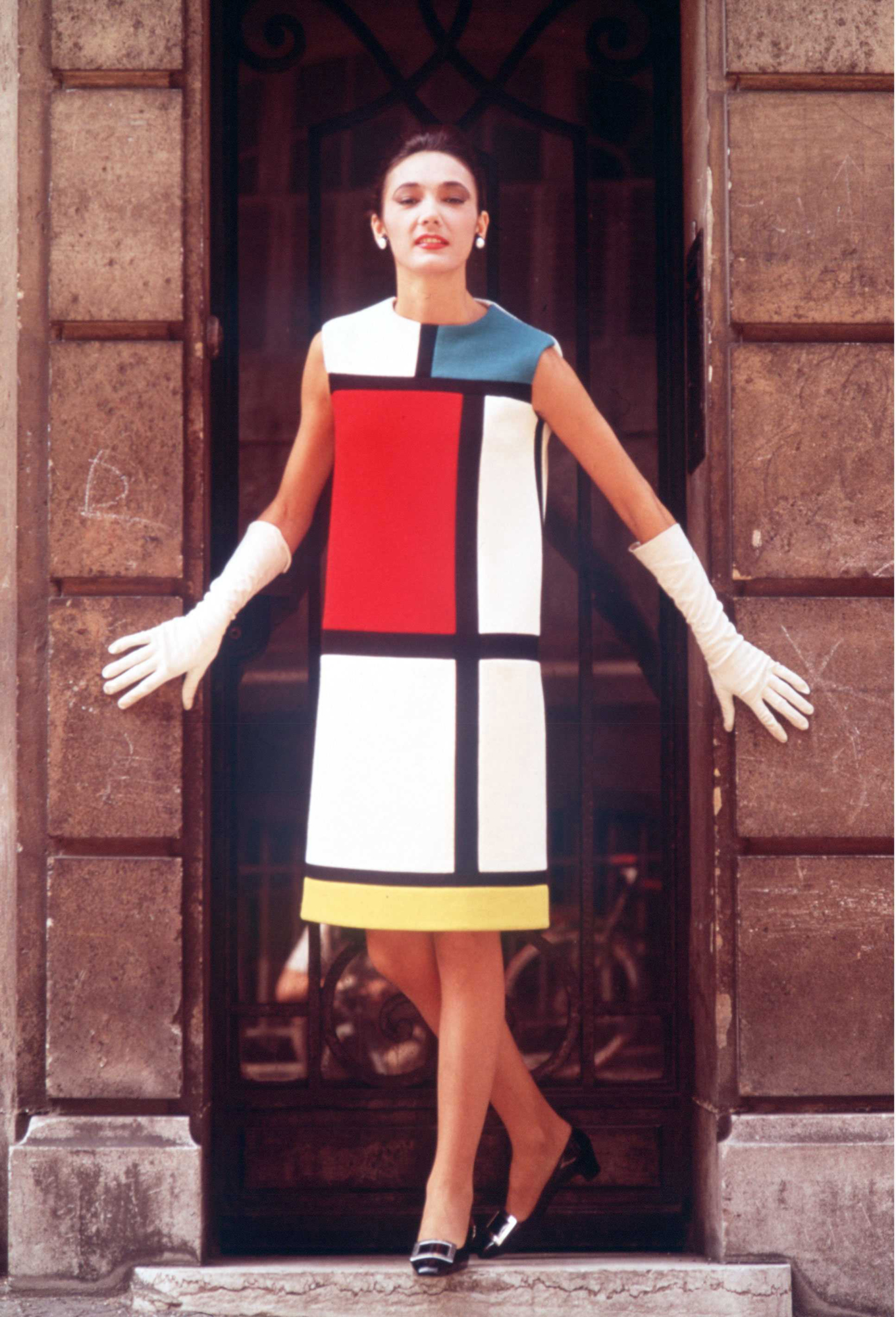


From left to right: Balenciaga Spring 1957, Chanel SS 1983 by Karl Lagerfeld, Yves Saint Laurent 1967 Opéra Ballet Russes, Dior Spring 2003 by Galliano, Fendi Fall 2016 Couture by Karl Lagerfeld, Givenchy SS 1997 by Alexander McQueen, Jean-Paul Gaultier Spring 1997, Margiela Spring 2025 by John Galliano, Robert Wun Fall 2025, Schiaparelly Spring 2023 by Daniel Roseberry, Thierry Mugler Fall 1995, Yves Saint Laurent AW 1965 haute couture
Who is it for?
On paper, couture is for private clients. The ultra wealthy who can afford custom garments, endless fittings, and months of hand labour. Which is why seeing Lauren Sánchez and Jeff Bezos front row at Dior felt less aspirational and more dystopian billionaire date night. Couture clients do not shop. They commission.
The prices match the mood. Entry level couture pieces start around €45,000 to €50,000. Evening gowns regularly climb past €100,000, with heavily embroidered looks sitting between €250,000 and €450,000. The most extreme couture creations, often bridal or technically obsessive, can approach €700,000 or more. You are not paying for fabric. You are paying for time, labour, and the fact that none of this is meant to scale.
But couture is not only sustained by the people who wear it.
Couture is for the house. Proof of craft, heritage, and power. A reminder that a brand can still make something slow and uncompromising, even if its real profits come from small leather goods, handbags and cosmetics.
Couture is for the image. The photographs. The headlines. The vaults (lol). Many of these garments are never sold. They exist to circulate, to be remembered, to keep the myth alive.
And couture is for everyone else, indirectly. This is where fashion pushes ideas to their limits before diluting them into ready to wear, accessories, and whatever ends up feeling normal two seasons later.
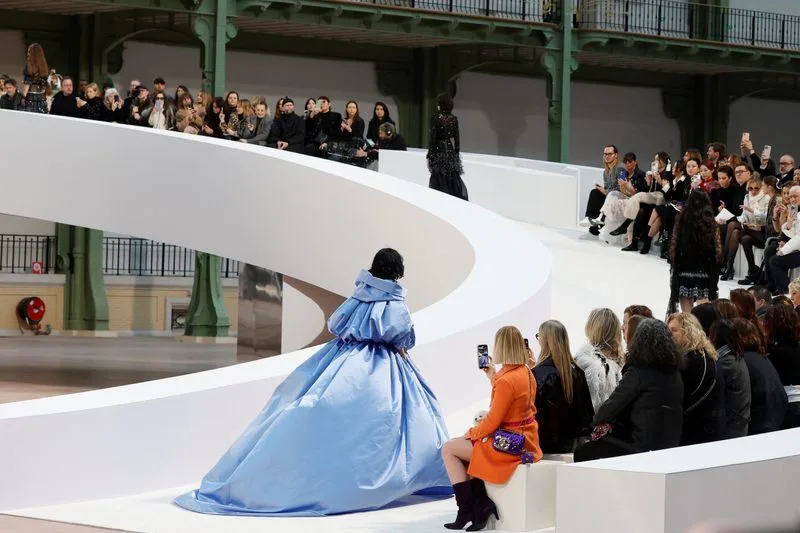
Why do we care?
While the world is actively on fire, we’ve collectively decided to gather around District 1 and watch gowns float by like nothing else exists.
Couture has become a spectator sport. Watch parties. Live commentary. Greenscreen TikTok critics breaking down bead counts like geopolitical analysts. Fashion opinion has been fully democratised, and somehow everyone is an expert. Lyas is hosting screenings, timelines are flooded with hot takes, and the comment sections are louder than the streets.
Jonathan Anderson put it bluntly on the BOF podcast: “We are doing shows for people to react, but we don’t digest fashion anymore.” And he’s right. We react, we screenshot, we rank. We move on.
Meanwhile, Jeff Bezos sits front row at Dior, cameras pan to billionaires in couture like it’s normal, and the contrast gets harder to ignore. It’s fairytale fantasy flirting dangerously close to let them eat cake energy. Which tracks, considering both couture and Marie Antoinette have deep French roots.
And yet… we still look. We still care.
Because couture is illusion at its purest. It offers an escape hatch. A way to dream, to suspend logic, to believe, if only for a few minutes, that beauty can exist outside consequence. It lets us imagine transcendence, whimsy, excess without permission.
Maybe that’s why we keep watching. Not because it’s practical. Not because it’s fair. But because sometimes fantasy is the thing that cuts through the noise.
SS26 shows that stopped us (and everyone else) in our tracks