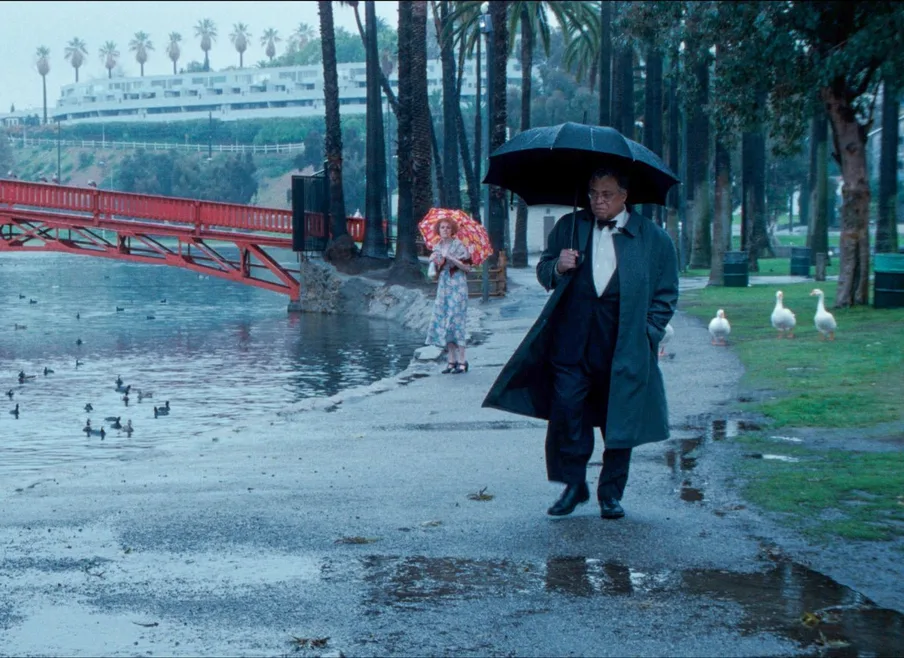
When Charles Burnett received an honorary Oscar in 2017, the Academy praised his work for its portrayal of the African-American experience. Burnett’s own description was simpler: “In actual fact I make films about America.” For decades, few people got to see those films. A run of restorations is now changing that, and from 27 November Eye Filmmuseum is giving him a full programme, Everyday Blues: The Films of Charles Burnett. Burnett is flying in from Los Angeles for the opening night and an Artist Talk two days later.
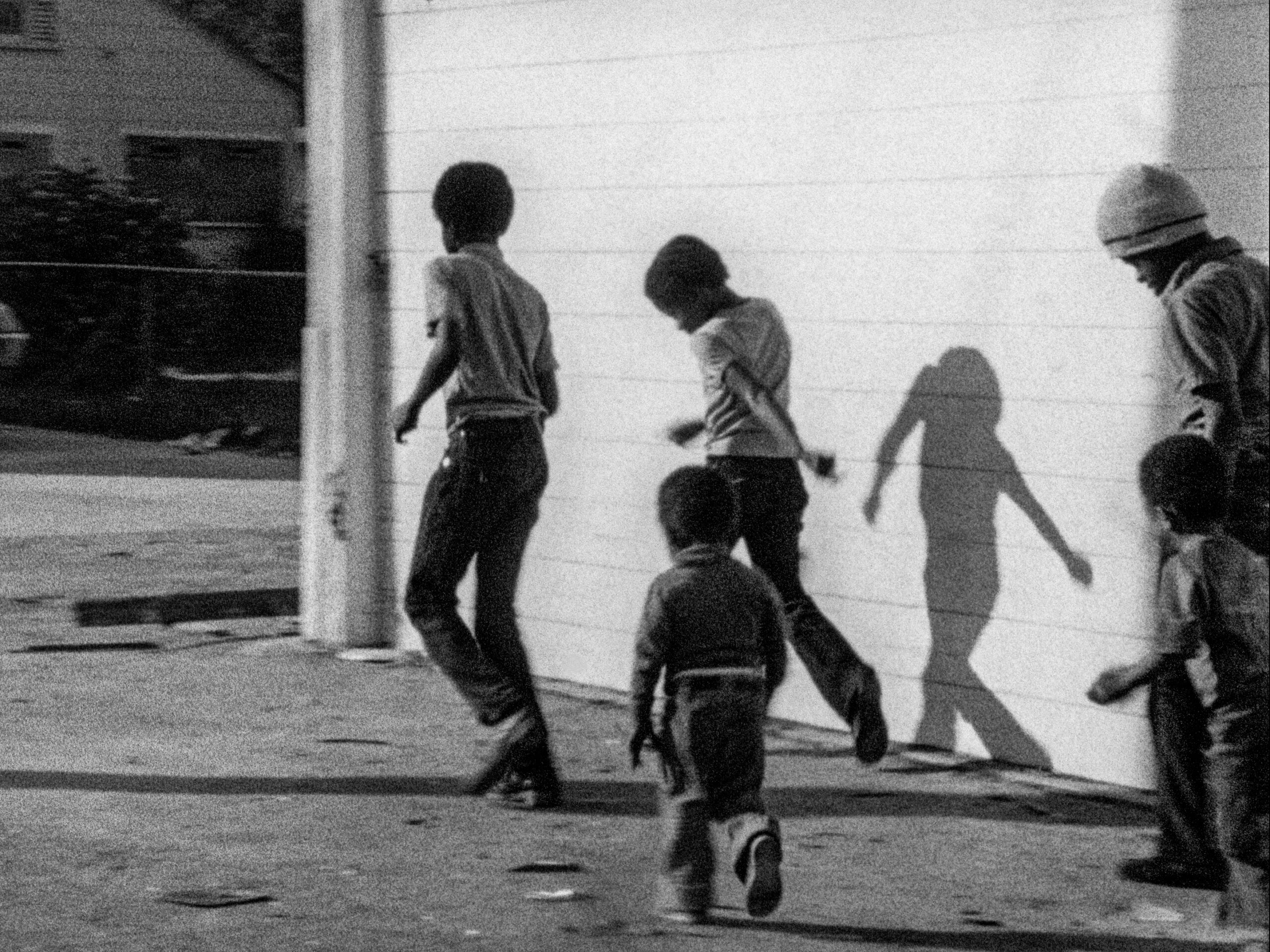
Burnett belonged to the L.A. Rebellion, a group of African-American, Caribbean and African filmmakers who studied at UCLA’s film school in the seventies and eighties. Hollywood’s main picture of Black life at the time was Blaxploitation, with its pimps, dealers and shoot-outs. Burnett went the other way. His debut, Killer of Sheep, follows a slaughterhouse worker and his family in Watts through ordinary days, with no big plot and plenty of room for the small things: kids playing in empty lots, a car that won’t start, a slow dance in a living room. The soundtrack moves from country blues and spirituals to early jazz and Earth, Wind & Fire, and the film carries that same feeling of the blues, tired and tender at once.
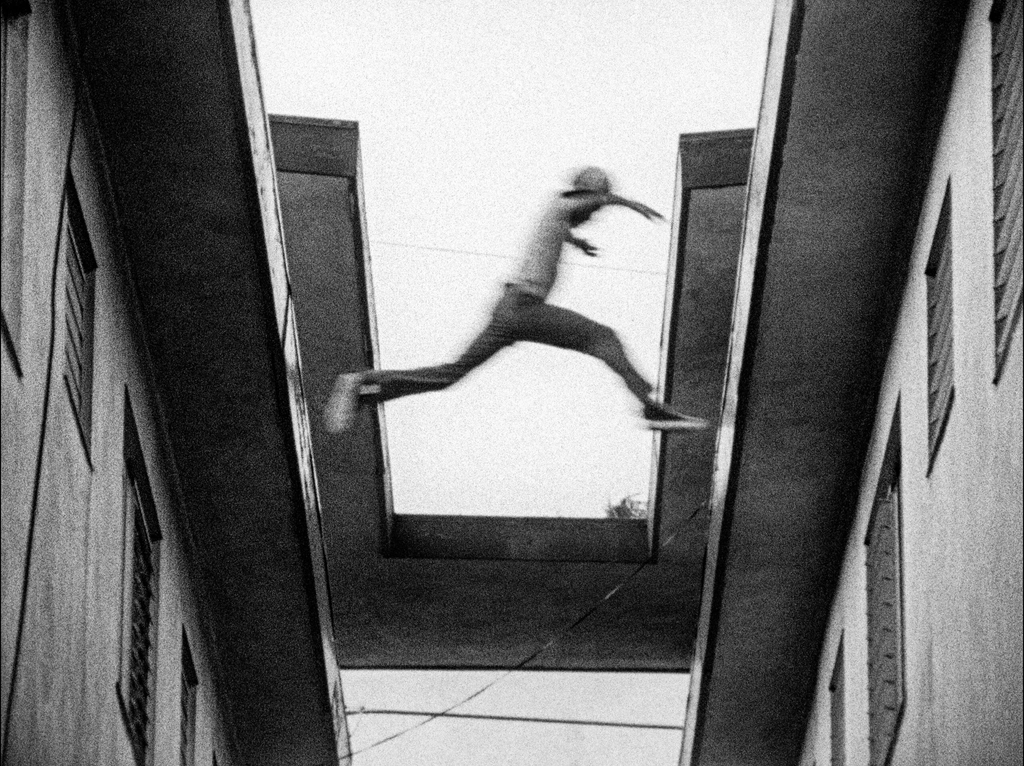
Getting it seen was another story. Burnett had no budget for distribution, so Killer of Sheep mostly travelled on 16mm through film clubs and universities. Those screenings built him a following, in Europe too, and in 1990 the Library of Congress named it one of the first films on its National Film Registry. Even so, a proper restoration didn’t happen until 2007. His later films had their own bad luck. To Sleep with Anger, a family drama with dark humour and a hint of folk magic, got glowing reviews and almost no promotion. The Glass Shield, about racism and corruption in an LA sheriff’s department, sat on Harvey Weinstein’s shelf for a year. The romantic comedy The Annihilation of Fish barely screened at all before being rediscovered years later.
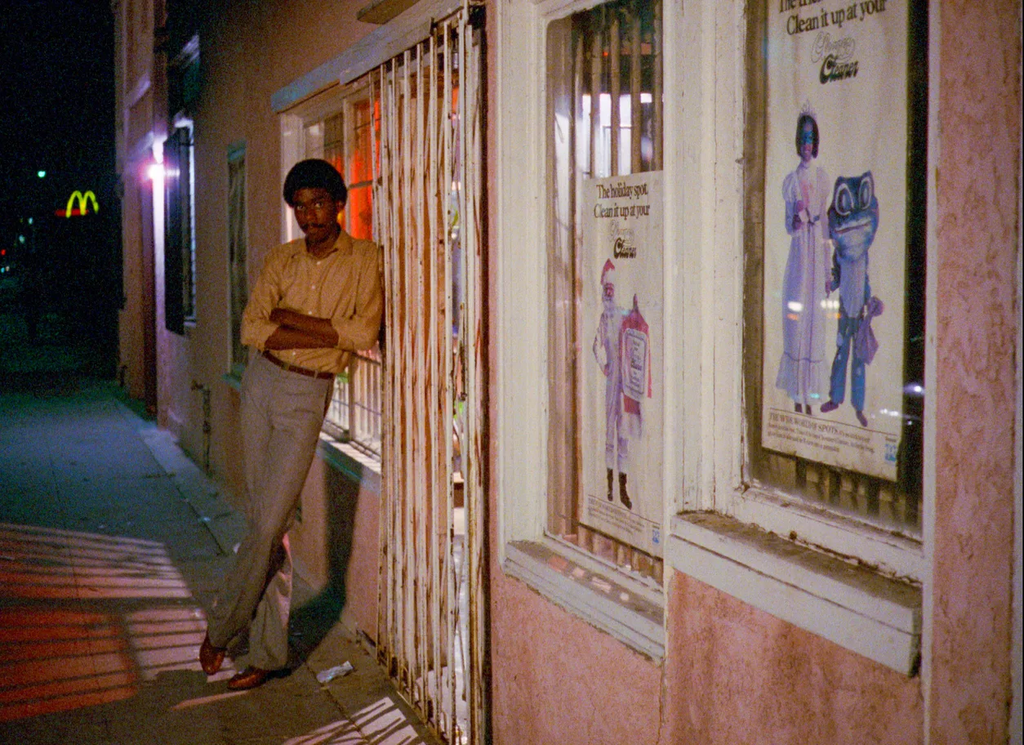
Eye’s programme brings all of these together. Killer of Sheep returns to cinemas across the Netherlands in a new 4K restoration from 26 November, and the opening night features the Dutch premiere of the restored My Brother’s Wedding. The Annihilation of Fish has also been restored, and To Sleep with Anger and The Glass Shield both screen. Alongside the features are shorts including Several Friends, The Horse, When It Rains and Quiet as Kept, the TV film The Final Insult, and Billy Woodberry’s Bless Their Little Hearts, which Burnett wrote and shot.
A sidebar shows where Burnett came from and where his influence went. On one side are Italian neorealism with De Sica’s Ladri di biciclette, Satyajit Ray’s Pather Panchali, Jean Renoir, and Night Mail by Basil Wright, who taught Burnett at UCLA. On the other are filmmakers who picked up his approach, among them Steve McQueen with 12 Years a Slave, Barry Jenkins with Moonlight, Ava DuVernay and Sean Baker. Watching them side by side, it’s easier to see how much of today’s American independent cinema owes to a man whose own films spent years out of reach.
For the Artist Talk on 29 November, Burnett is in conversation with Maya Cade of Milestone Films and the Black Film Archive. Across town, LAB111 is running its own L.A. Rebellion programme during the same weeks, which makes this a good moment to see the wider movement and not just its best-known name.
Everyday Blues: The Films of Charles Burnett runs from 27 November to 16 December 2026 at Eye Filmmuseum, Amsterdam. Killer of Sheep is in Dutch cinemas from 26 November, and several of Burnett’s films are also on the Eye Film Player.