I was in London recently and found myself standing behind someone carrying a Balenciaga City Bag. An hour later, I saw another. Then another. Later that afternoon, someone wearing Tabis walked past me. Then another. Then someone carrying a Bottega Veneta Andiamo. It wasn’t that any of these pieces were bad. Quite the opposite. Most of them became popular because they’re genuinely good designs. What struck me wasn’t the items themselves, but how predictable it all felt.
Fashion has always relied on influence, but lately I’ve been wondering whether we’re reaching a point where everyone is drawing from the same pool of references. Social media has given us unprecedented access to inspiration, but it has also created an environment where the same images, products, and aesthetics circulate at such speed that individual taste can begin to feel secondary. We discover the same brands through the same creators, save the same posts to the same Pinterest boards, and eventually end up coveting the same pieces.
A while ago, I was reading ‘Status and Culture’ by W. David Marx, and one idea in particular stayed with me. He argues that human beings are constantly balancing two competing desires: the desire to fit in and the desire to stand out. We want what other people have because it signals belonging, yet once those same things become too widespread, we begin looking for something else. Fashion’s constant cycle of trends isn’t simply driven by brands or algorithms. It’s driven by us.
The irony is that we live in a moment obsessed with individuality, yet many of us are consuming the exact same references. We talk endlessly about self-expression while scrolling through remarkably similar moodboards. We pride ourselves on our personal taste while saving images from the same corners of the internet.
We have access to more inspiration than any generation before us, yet somehow we often arrive at the same conclusions.
A question I’ve been asking myself recently is this: if I took away your Pinterest boards, your Instagram saved folder, and your TikTok algorithm tomorrow, what would your style look like?
It’s not a criticism. I don’t think anyone is immune to influence, myself included. I’ve bought things because everyone else seemed to want them. I’ve convinced myself I loved an item only to lose interest a few months later. I’ve spent hours building Pinterest boards only to realise they all looked strangely similar. Like most people, I’m constantly navigating the space between influence and individuality, between wanting to belong and wanting to feel like myself.
Maybe that’s why I’ve become so interested in personal style. Not because I think I’ve figured it out, but because I’m still trying to.
The funny thing is that a vintage distressed T-shirt and a pair of Levi’s Engineered jeans didn’t suddenly become less interesting. What changed was their cultural position. This is exactly the tension Marx describes in ‘Status and Culture’: the constant pull between fitting in and standing out. Once a particular look becomes universal, our relationship to it shifts. Not because the clothes themselves have changed, but because the context around them has. We start looking elsewhere. Not necessarily because we’ve developed better taste, but because we’re searching for distinction again.
This is also why I’ve become increasingly fond of outfit repeaters.
There is something deeply confident about someone who wears the same things over and over again. Not because they lack imagination, but because they know what they like. In a culture obsessed with novelty, outfit repeating feels almost rebellious. It suggests a person has stopped treating their wardrobe as a constant work in progress and started treating it as an extension of themselves.
The most stylish people I know often have a uniform of some sort: The same jacket, the same trousers, the same colour palette. They aren’t constantly reinventing themselves every season because they aren’t chasing distinction through consumption. They’ve already found something that feels like them.
Perhaps that’s what personal style really looks like. Not an endless pursuit of newness, but the confidence to return to the same things again and again. To wear a favourite outfit three times a week without worrying whether someone has seen it before. To choose conviction over novelty.
The internet has solved the problem of access. Inspiration is no longer reserved for those working in fashion capitals or those with access to niche magazines and insider knowledge. Today, almost anyone can discover a designer, photographer, artist or brand within seconds. In many ways, that’s wonderful.
Yet I sometimes wonder whether ease of access has quietly replaced the joy of searching.
Perhaps that’s the real trade-off. We have access to more inspiration than any generation before us, yet fewer opportunities to stumble upon something entirely unexpected. Discovery has become frictionless. The algorithm knows what films we might like, what music we should listen to, what clothes we should buy. It’s remarkably efficient.
But efficiency and curiosity are not the same thing.
Some of the things that have shaped me most were things I wasn’t looking for.
Some of the most influential references in my life were things I discovered almost by accident. A film I stumbled across late at night. Vintage magazines buried in a second-hand bookshop. An artist I knew nothing about before walking into a gallery. Those discoveries stayed with me because they felt personal. They weren’t served to me by an algorithm. I found them.
When I think about the things that have genuinely shaped my style, very few of them came from fashion itself.
I’ve always loved Wong Kar-wai’s ‘Chungking Express’. Not because I wanted to dress exactly like Faye Wong, but because of the feeling the film creates. What I’ve always loved about it is the colour, the energy, the atmosphere, and the way seemingly unrelated shades somehow work together. Recently I found an old December 1993 issue of i-D and became completely fascinated by it. Not because I wanted to recreate any of the outfits, but because of the way colours were combined throughout its pages.
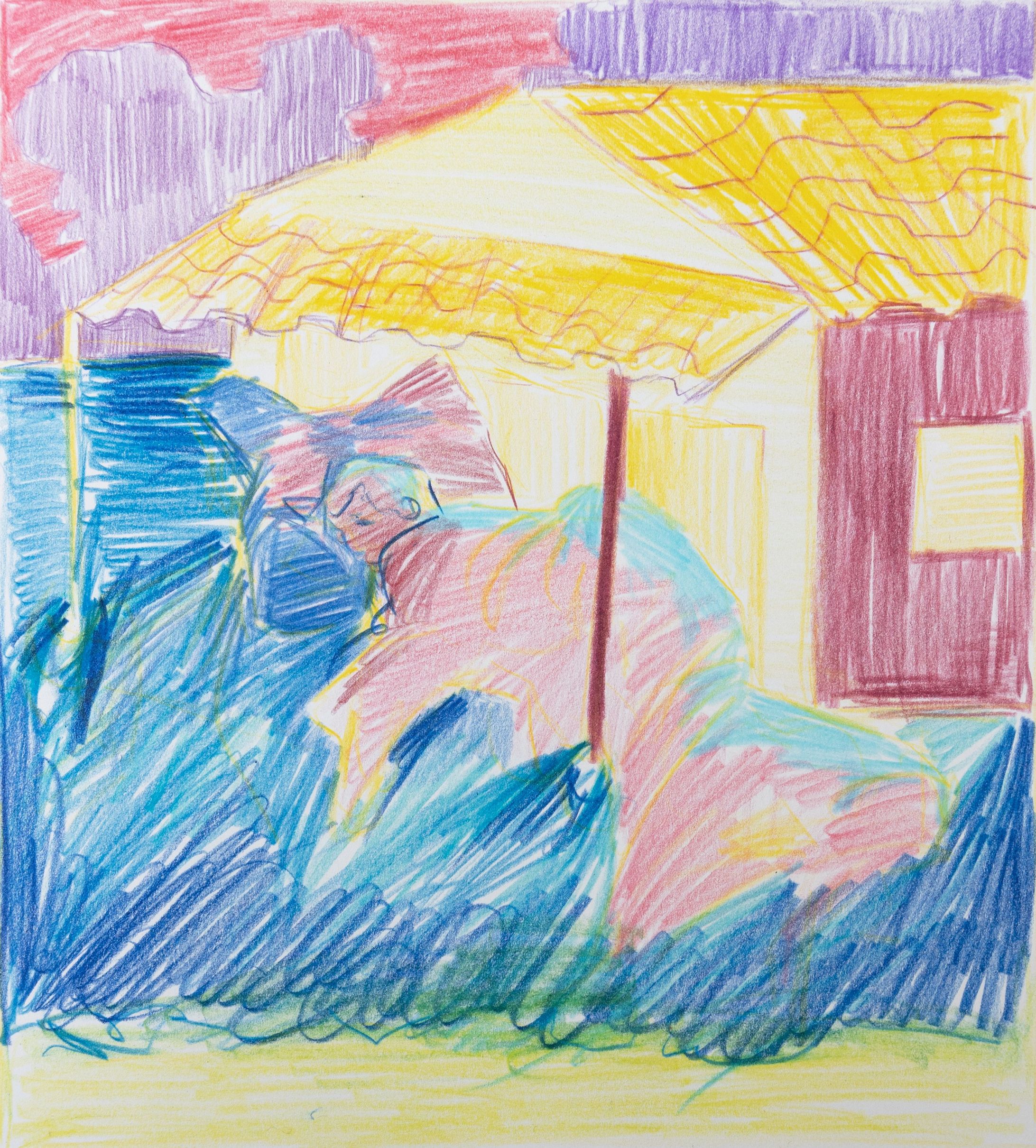
The same is true of David Hockney’s paintings or Damien Hirst’s work. What interests me isn’t necessarily the subject matter but the use of colour. A bright blue next to a saturated yellow. Pink against green. Combinations that shouldn’t work, but somehow do.
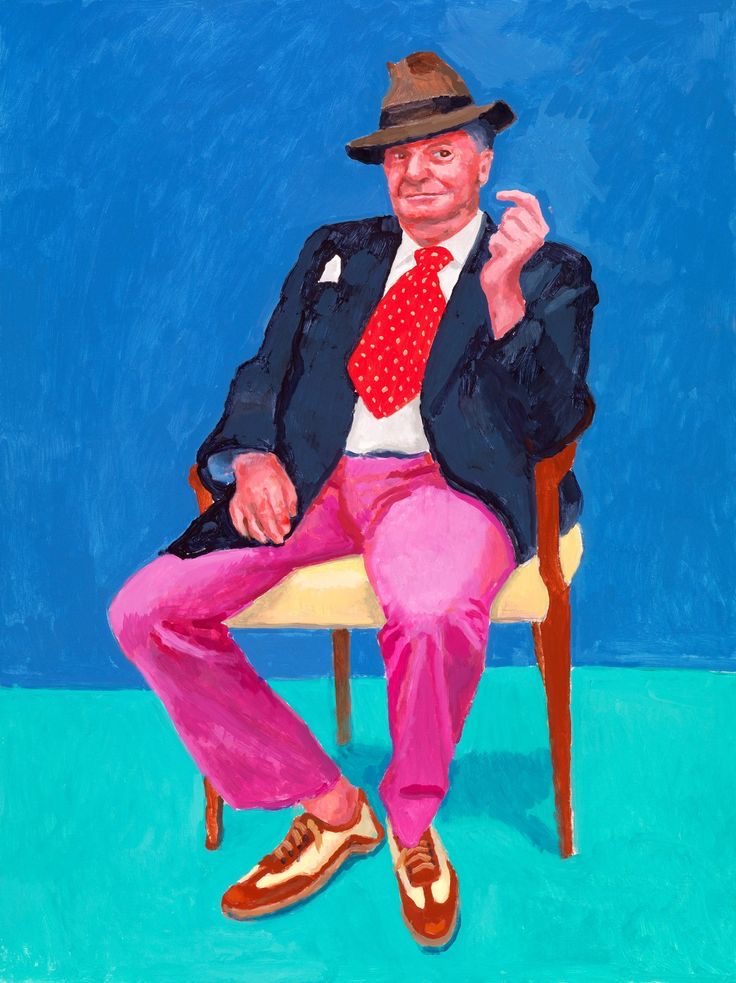
David Hockney, Barry Humphries, 26th, 27th, 28th March 2015
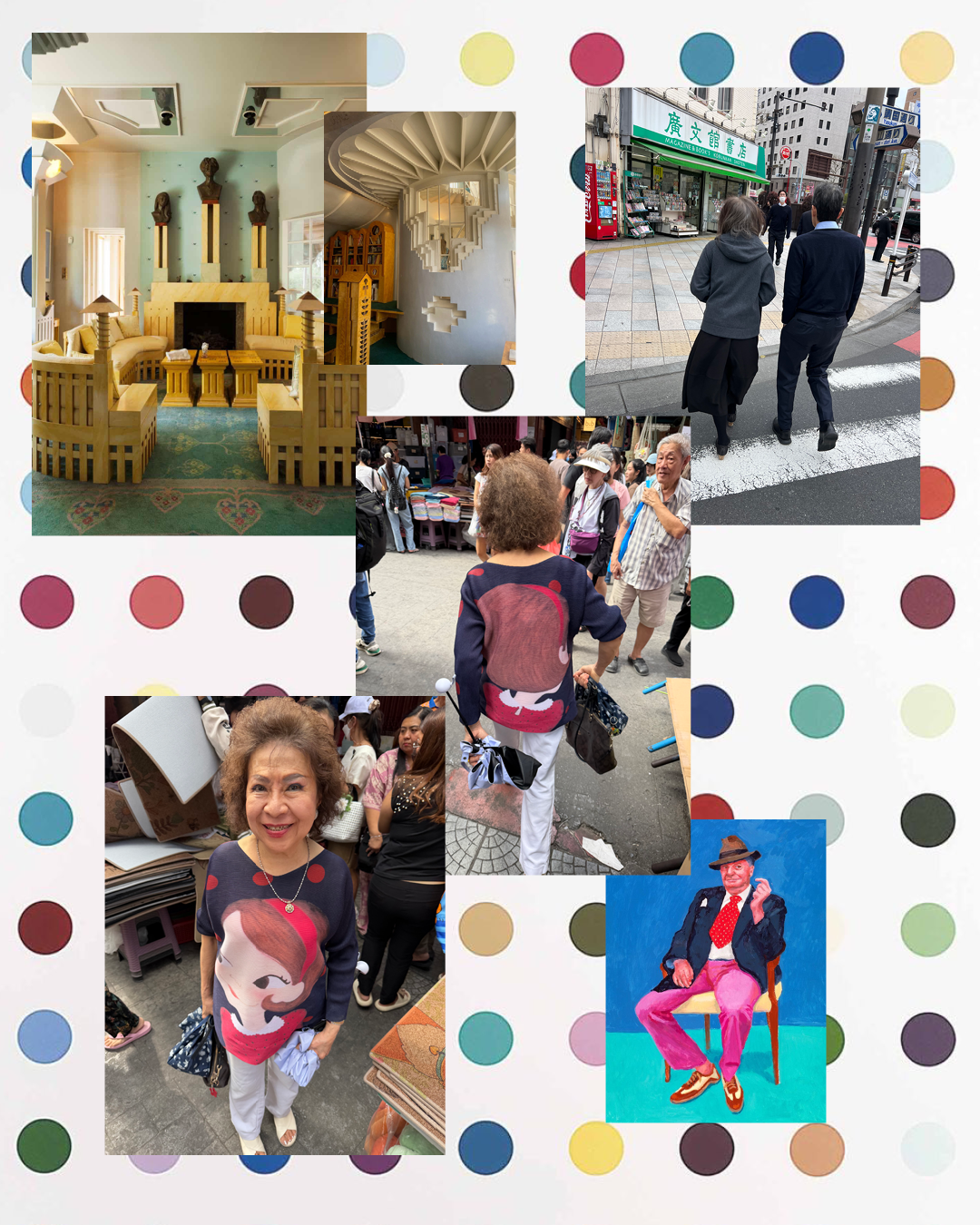
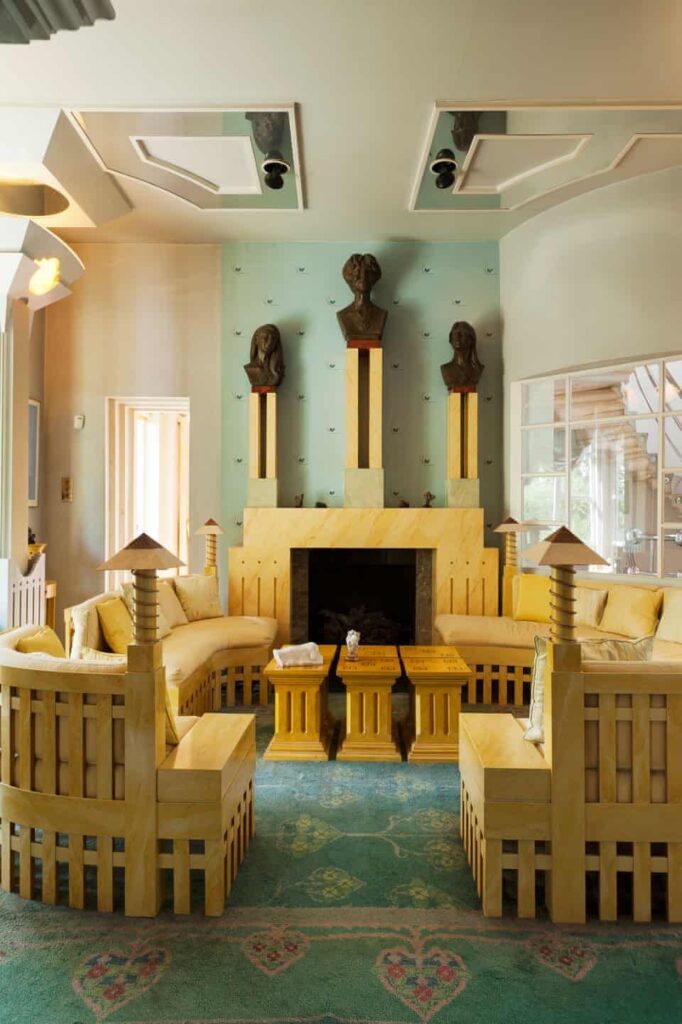
I found myself thinking about colour in a similar way after visiting The Cosmic House in London. Designed by Charles Jencks, it’s a place where every room seems to operate according to its own visual logic. I didn’t leave wanting my wardrobe to look like a building, but I did leave paying more attention to colour, symbolism and the way different elements can work together to create a feeling. That’s often where inspiration starts for me.
Another source of inspiration for me has always been travel. Every time I go to Asia, especially when I’m travelling by myself, I find myself paying attention to the way people dress. Not in a trend-spotting sense, but in the way people combine things. The confidence. The willingness to experiment. The way personal style often feels less constrained by whatever happens to be popular at that particular moment.
I often leave feeling inspired. Not because I want to copy anyone exactly, but because it reminds me that there are countless ways to approach getting dressed. That fashion can still be playful, expressive and surprising.
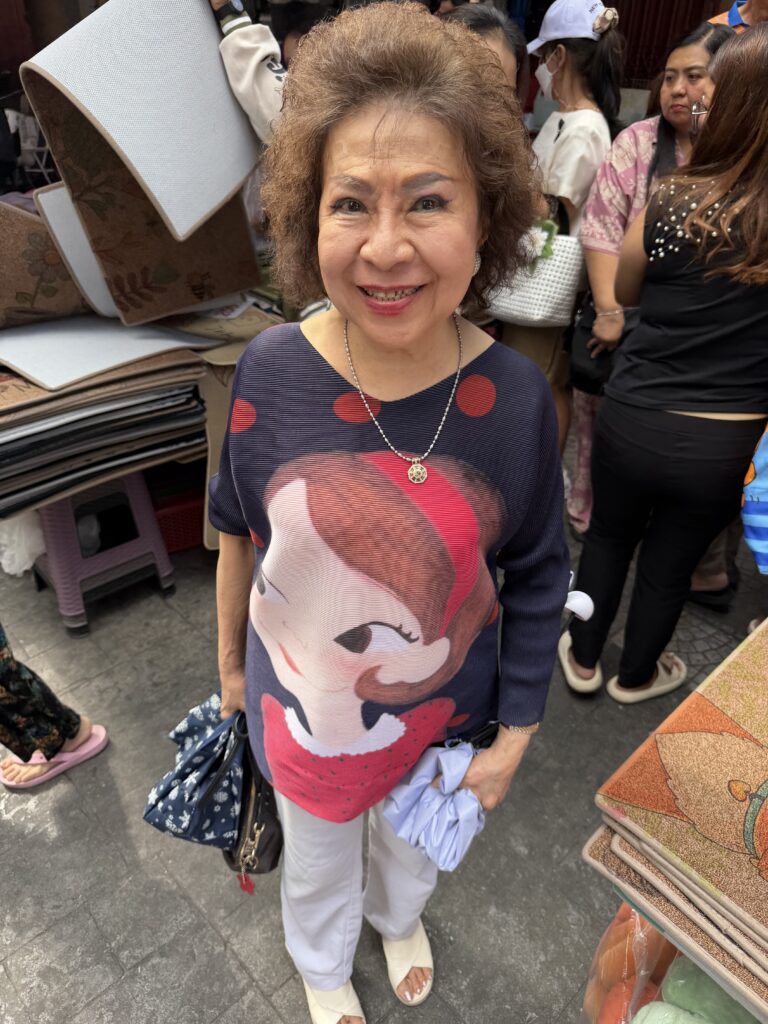
I’m not suggesting you need to book a flight to Tokyo or Bangkok to develop your personal style. The point is simply that inspiration tends to become more interesting when it comes from a wider variety of places and cultures. The more diverse your references become, the more personal your style becomes.
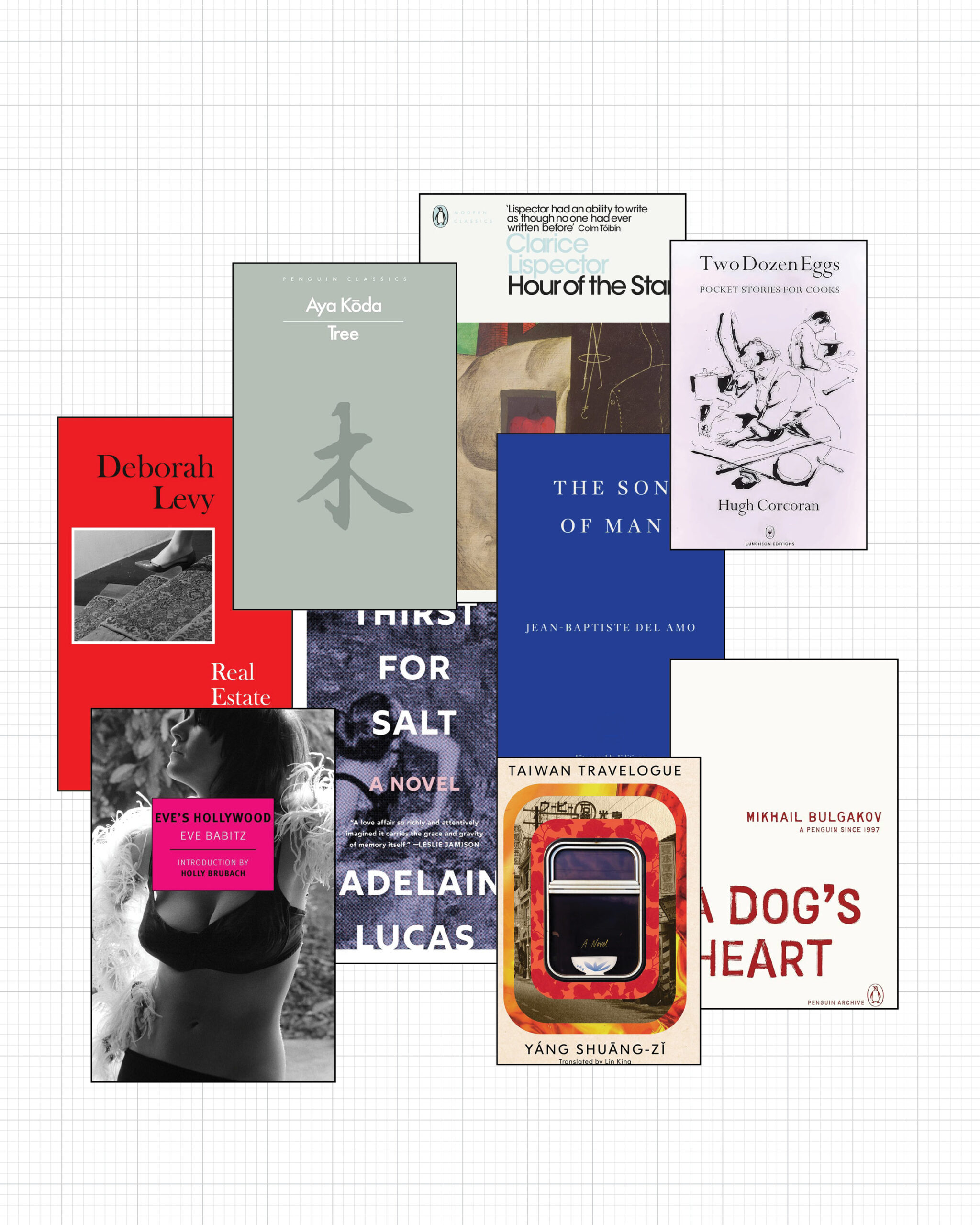
A lot of what I wear can be traced back to references that have absolutely nothing to do with fashion. which, ironically, is probably why they continue to influence the way I dress. Films, books, exhibitions, architecture, paintings, old magazines, people. They shape the way I see things, and eventually, they shape the way I dress. Which brings me back to personal style.
I think many people approach style as a shopping problem when it’s actually a reference problem. We assume that developing a stronger sense of style means finding the right jacket, the right handbag or the right pair of shoes. But style isn’t really built through products. It’s built through perspective.
The people whose style I admire most aren’t necessarily the people with the biggest wardrobes. They’re often the people with the broadest range of interests. Their style feels personal because it reflects a lifetime of references that extend far beyond fashion itself. Their clothes become a visual expression of the things they love, the places they’ve been, the films they’ve watched and the books they’ve read.
If everyone is consuming the same references, it’s hardly surprising that everyone ends up wanting the same things.
Perhaps the goal isn’t to stop being influenced. That’s impossible. Perhaps the goal is simply to become more intentional about where our influences come from. To watch films. Visit galleries. Buy old magazines. Wander through bookshops. Pay attention to architecture. Become curious about things that have nothing to do with fashion, because personal style isn’t about eliminating influence. It’s about collecting enough of your own references that your perspective begins to emerge from underneath the noise.
And maybe that’s what style really is.
Not a collection of clothes, but a collection of curiosities.
A visual record of everything you’ve stopped long enough to pay attention to.