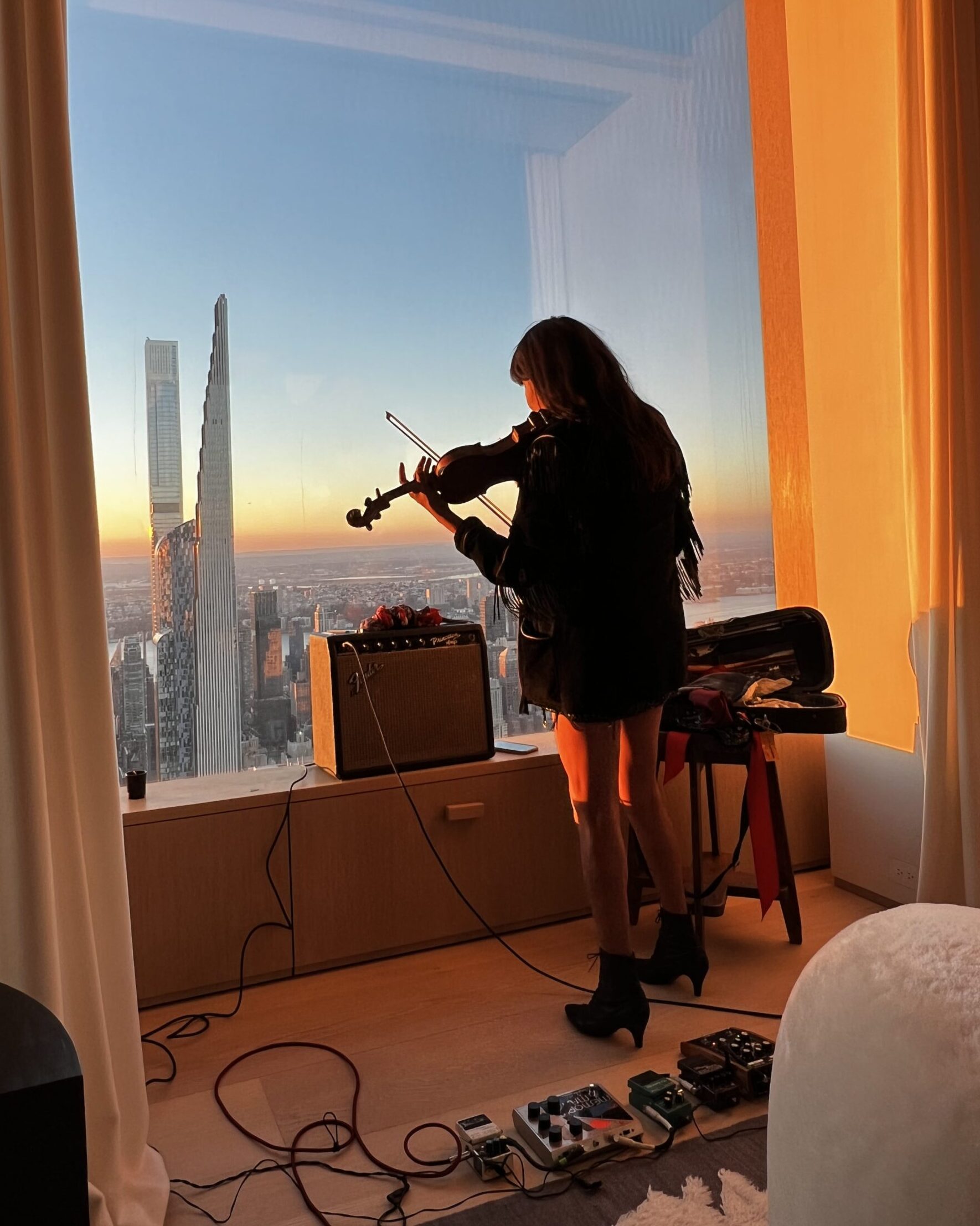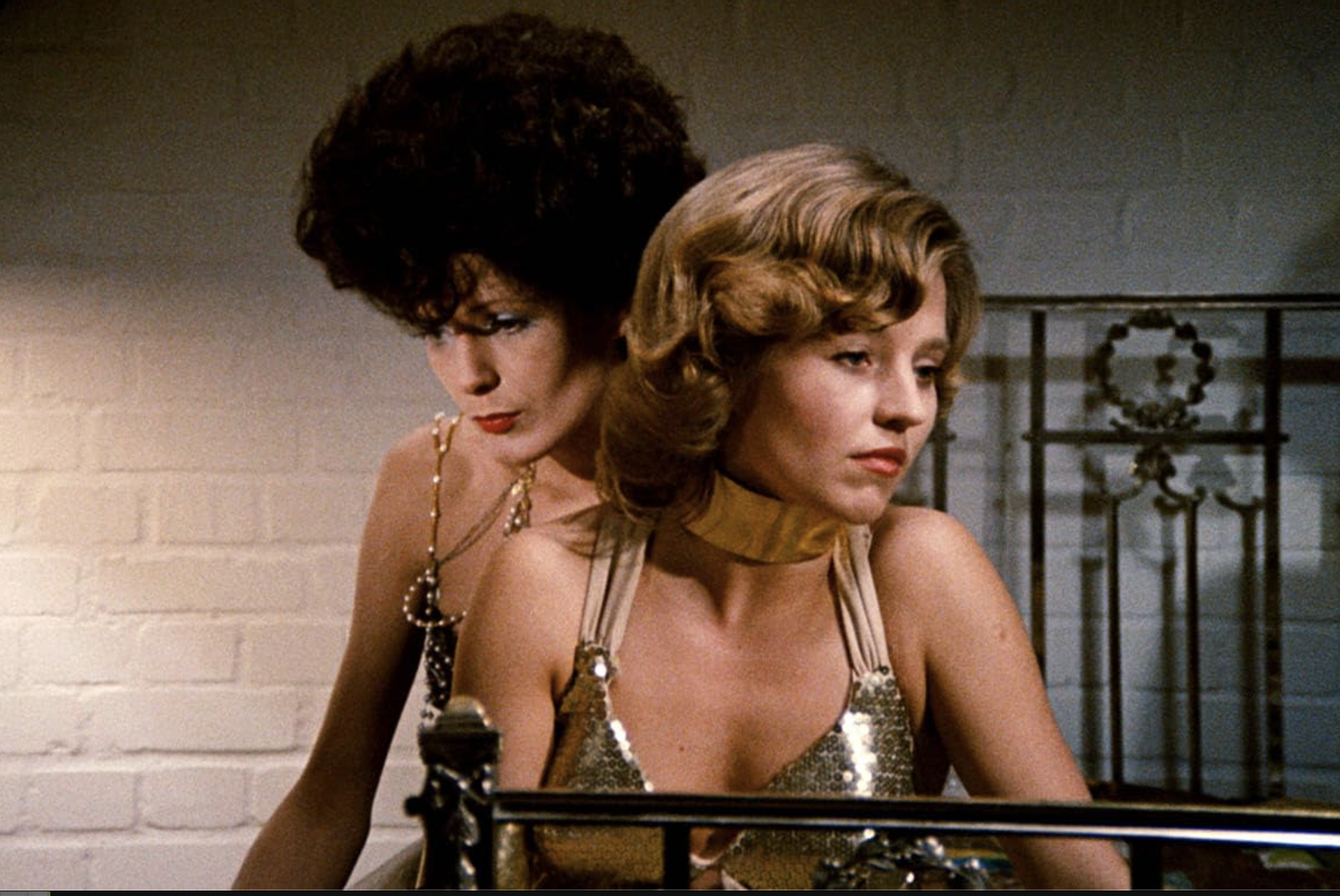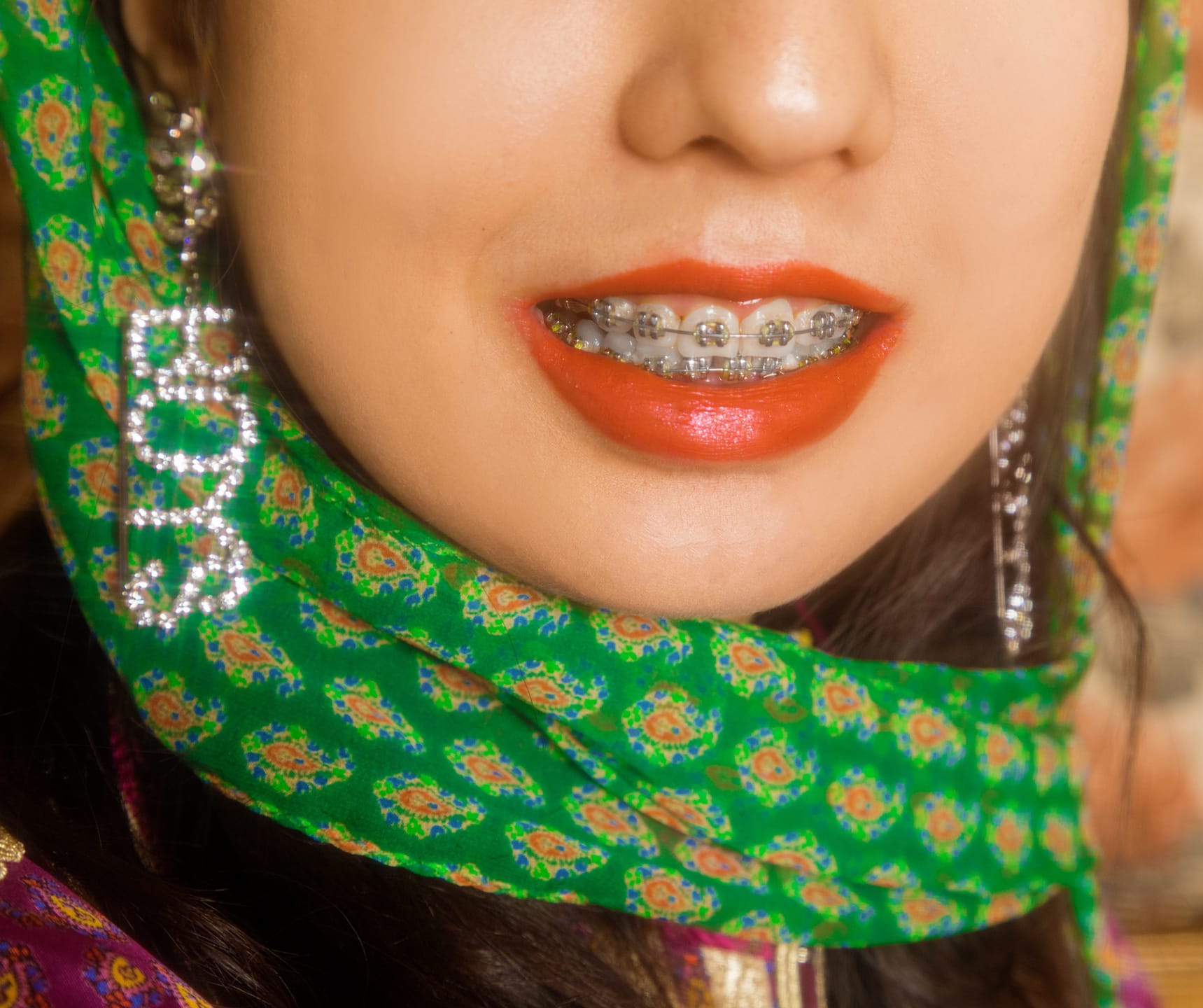
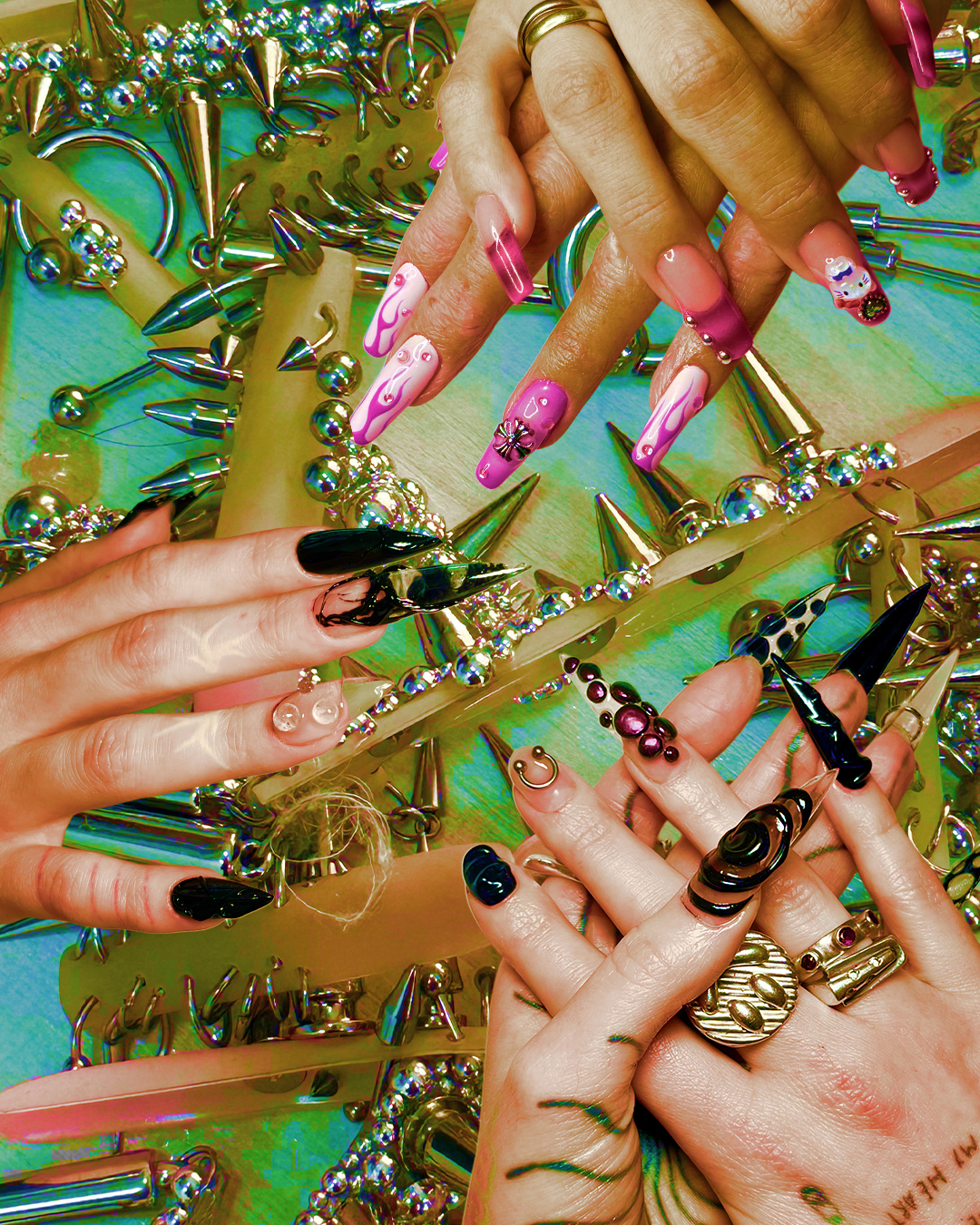
From fashion week intensity to the intimacy of the nail chair, Daniel Smedeman moves between worlds that rarely acknowledge each other. As co-founder and creative director of Glazed Nails, his practice sits at the intersection of care, authorship, and aesthetics. What began almost as a joke has grown into a language of its own, one that treats hands as archives and nails as sites of expression, resistance, and play.
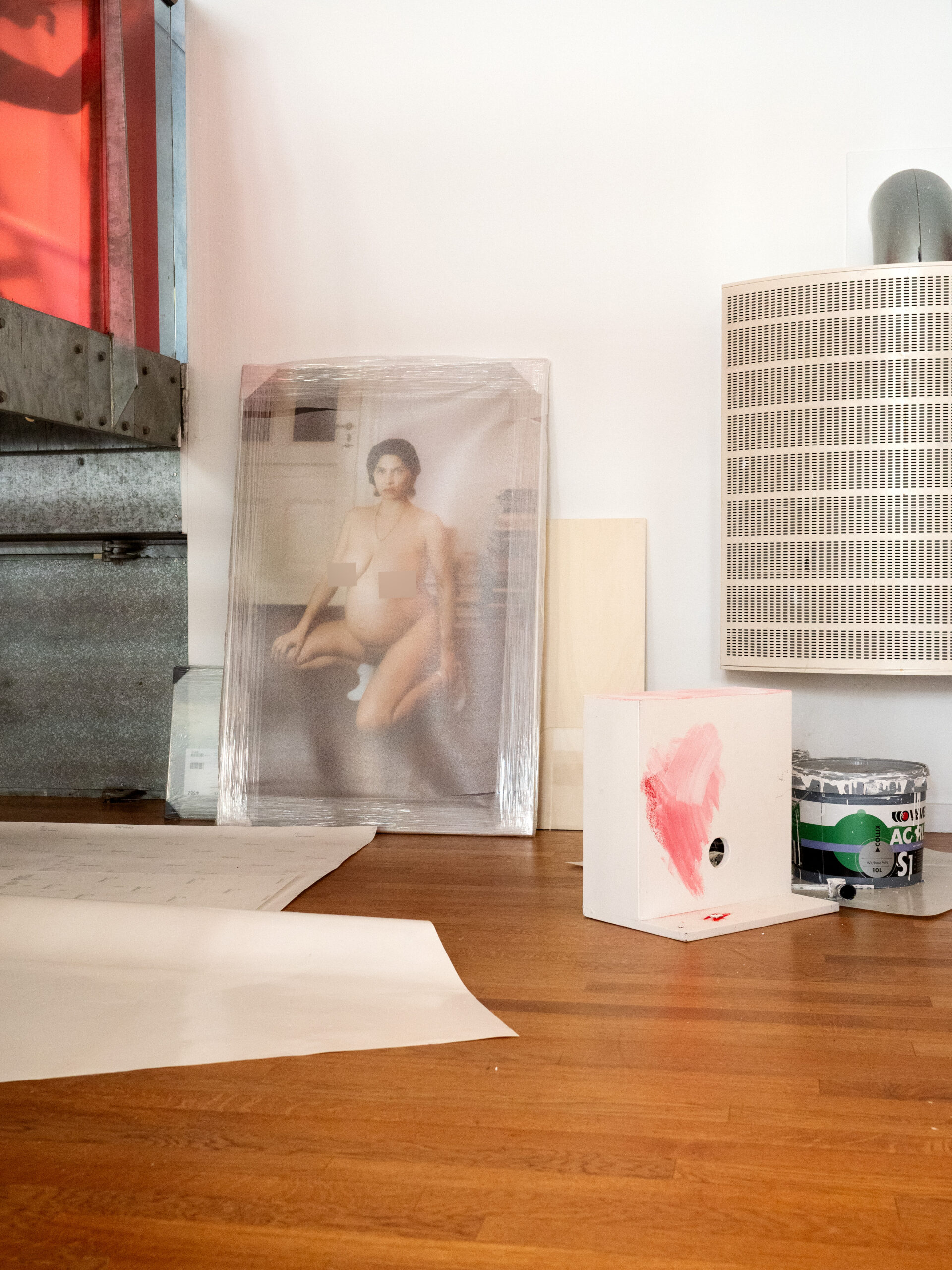
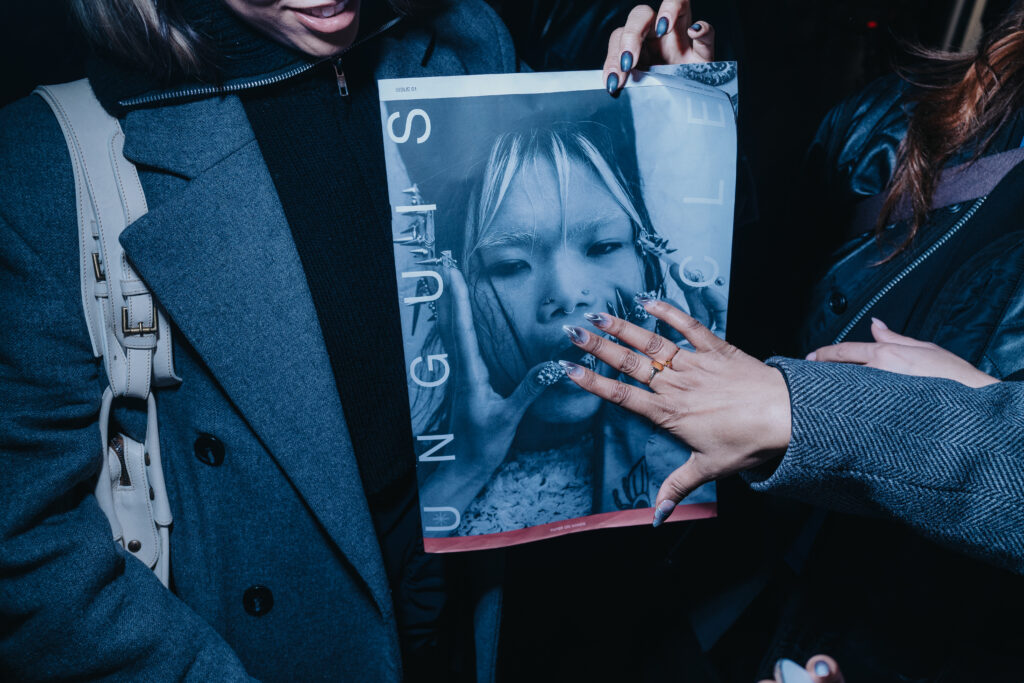
This conversation takes place at a moment of expansion. Alongside his studio practice, Daniel has just launched Unguis Oracle, a self-published print project that distills many of the questions he has been circling for years. Conceived as a tactile counterpoint to digital speed, the magazine explores nail culture as a cultural form rather than a trend, bringing together artists, image makers, and writers in a deliberately non-hierarchical way. Printed, slow, and intentionally free of charge, it reads as both a manifesto and an invitation. Less a side project than an extension of his worldview, it felt like the right moment to sit down with Daniel and take stock of where his work is headed.
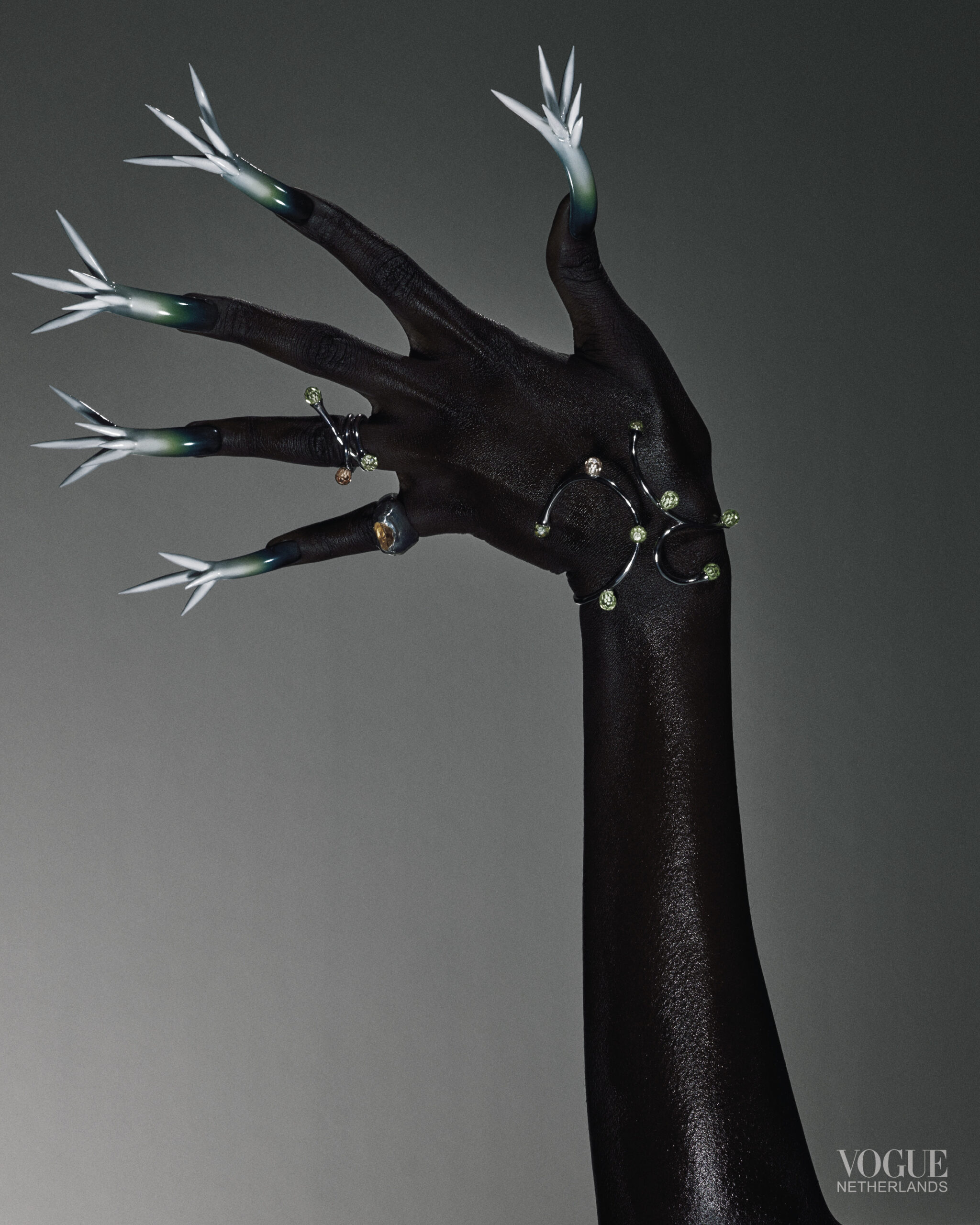
With over six years in the industry, Daniel’s work has appeared across global fashion systems and deeply personal client relationships alike. He has created looks for Emily Ratajkowski, Cara Delevingne, Pat Cleveland, Snoh Aalegra, Marjan Jonkman, Carice van Houten, Sevdaliza, and Amelia Gray, with contributions spanning Vogue, Acne Papers, Perfect Magazine, and runways from Valentino to Willy Chavarria. Still, he remains wary of hierarchy, speed, and the illusion of access that dominates creative industries today.
We spoke to Daniel in the midst of fashion week preparations, on outsiderhood, slowness, and why nails might be one of the most honest mediums we have.
How are you feeling today?
Tired but wholesome. I am in the middle of the fashion week buzz, prepping for Willy Chavarria. It is intense but grounding at the same time.
You have described yourself as an outsider. When did that identity first take shape for you, and how does it still inform the way you move through your work?
I think it has a lot to do with my upbringing. Being noticeably queer in a Jehovah’s Witness household, I could not help but feel other than others. That sense of being outside stayed with me. It sharpened my sensitivity and pushed me to build my own spaces instead of trying to fit into existing ones.
What first drew you to nails as a medium?
After years of working in fashion and trying different things, I knew I wanted to be self employed and more creative. Nails started as a joke. But from the very first school lesson, I was sold on the possibilities.
Glazed was founded as a safe space for creativity and expression. What were you missing in the industry that made you want to build that space yourself?
There are many spaces for the majority. I felt a place where like-minded people could feel seen, and a welcome was missing. At that time, it felt necessary to create something like that.
How do you think about care in your practice, both physically and emotionally?
Everything at Glazed is about service and being seen. From the chair someone sits on, to the coffee they are offered, to the hand massage when the appointment ends. Touch carries intention.
You work across highly commercial fashion contexts and deeply personal client relationships. What do those two modes give you?
I feel very blessed to be able to do both, but I do not think I could do one without the other. Sometimes they inspire each other, but I also see them as very different worlds.
Do you see nail art as art, fashion, or something outside of those categories?
Sometimes. And sometimes it really does not. But it is a medium where the possibilities are endless.
Hands are intimate. They carry labour, touch, age, and vulnerability. What draws you to them as a canvas?
It is funny how little we think about how much we use them. To create, to communicate, to care. They are very dear to me as a creative. Especially now, I cannot imagine not honouring them.
In an industry that prioritises speed and output, how do you protect slowness and intention?
Being older than the internet era plays a big role. I know a world before the constant online rush. For me, it is not about how much you make, but what you communicate. I do not believe in fast clickbait trends. I believe in a strong identity that feels safe and consistent.
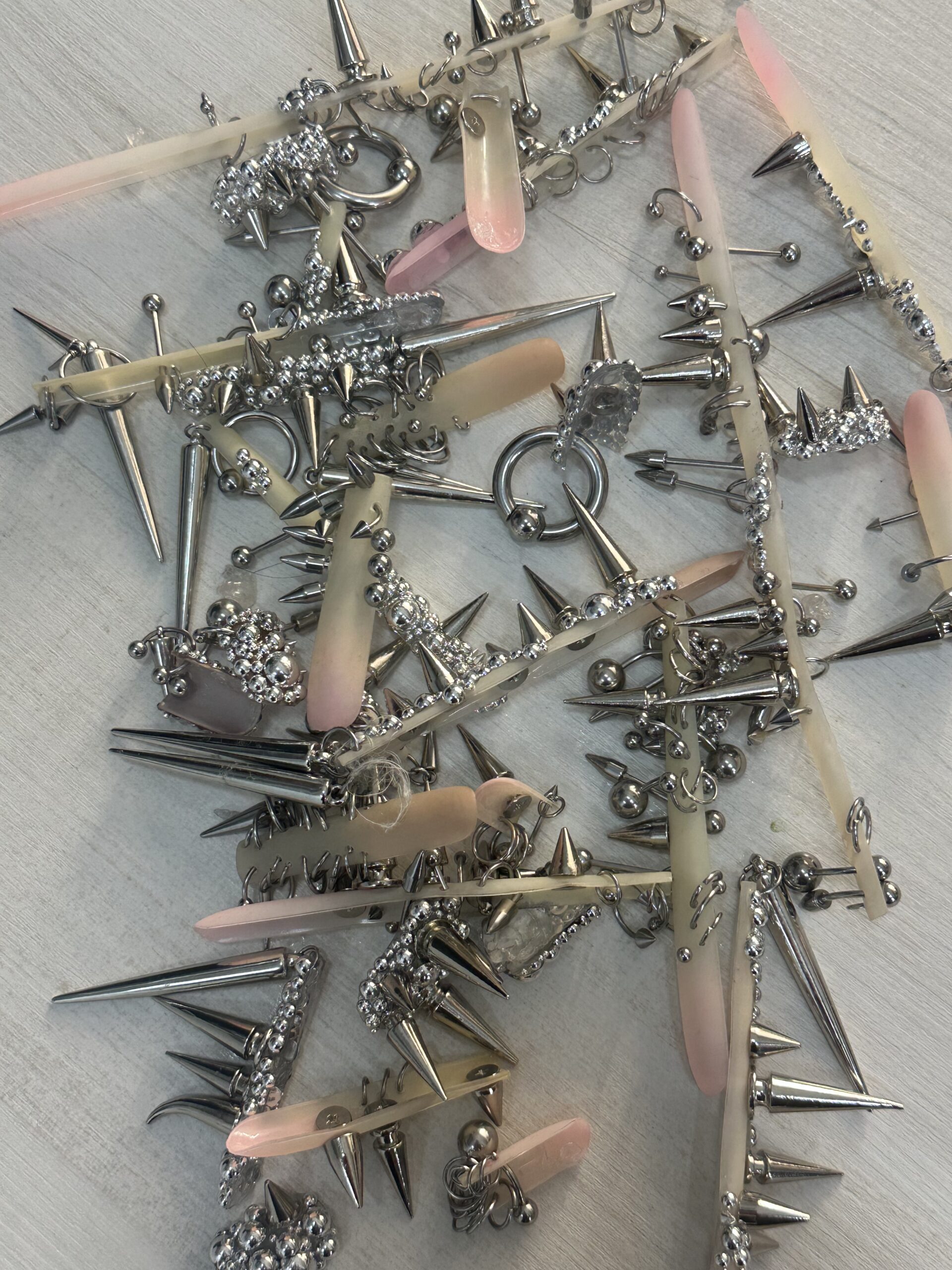
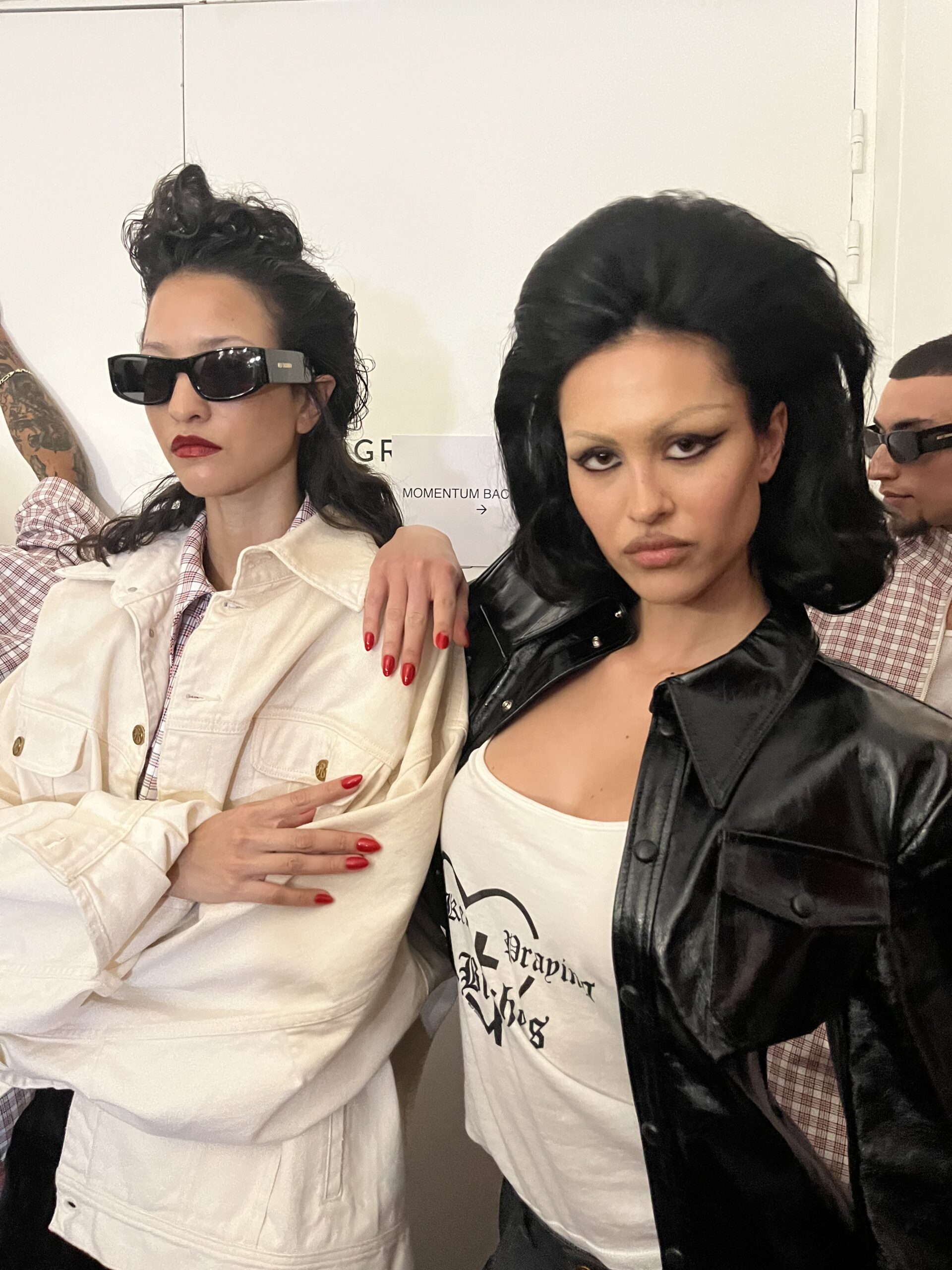
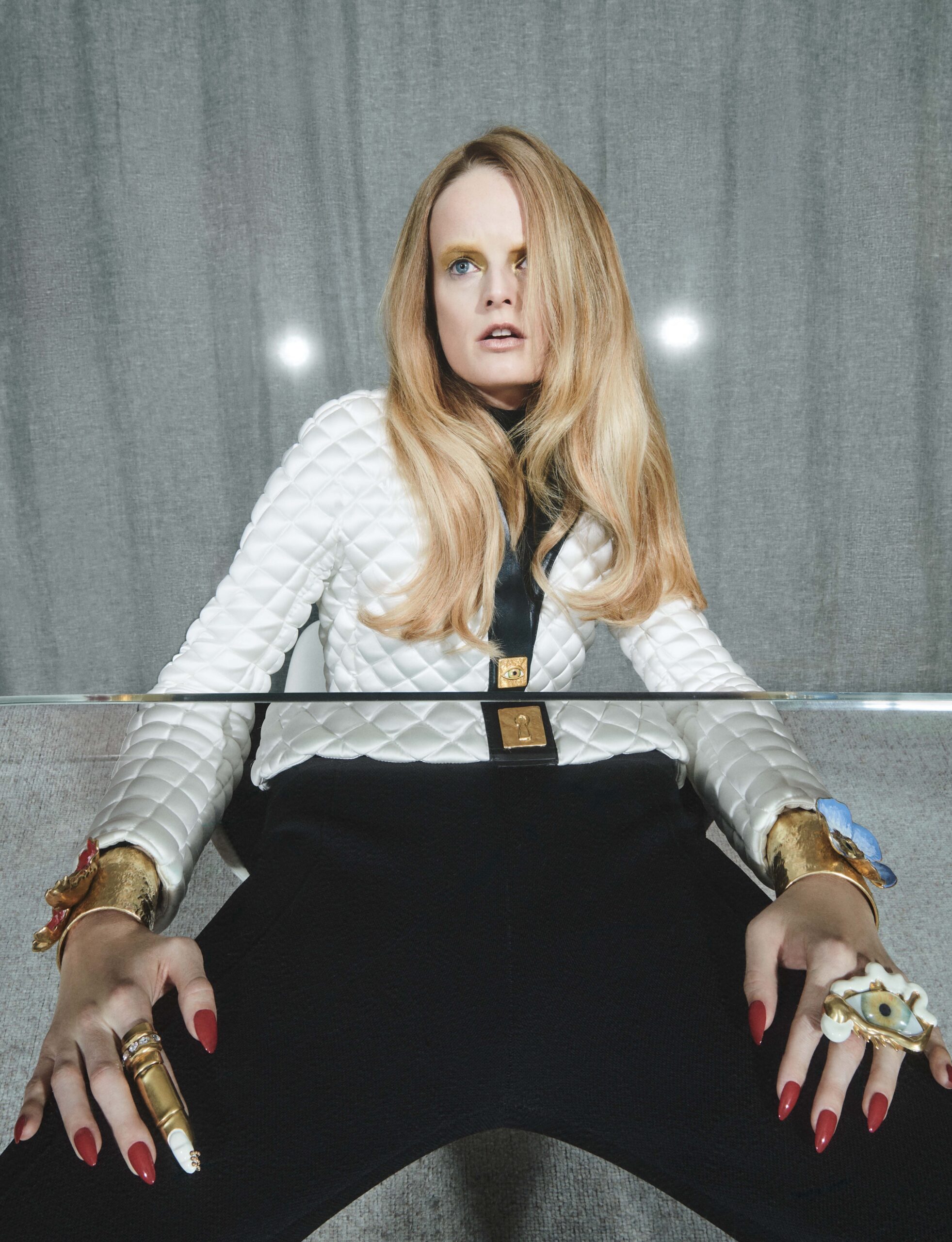
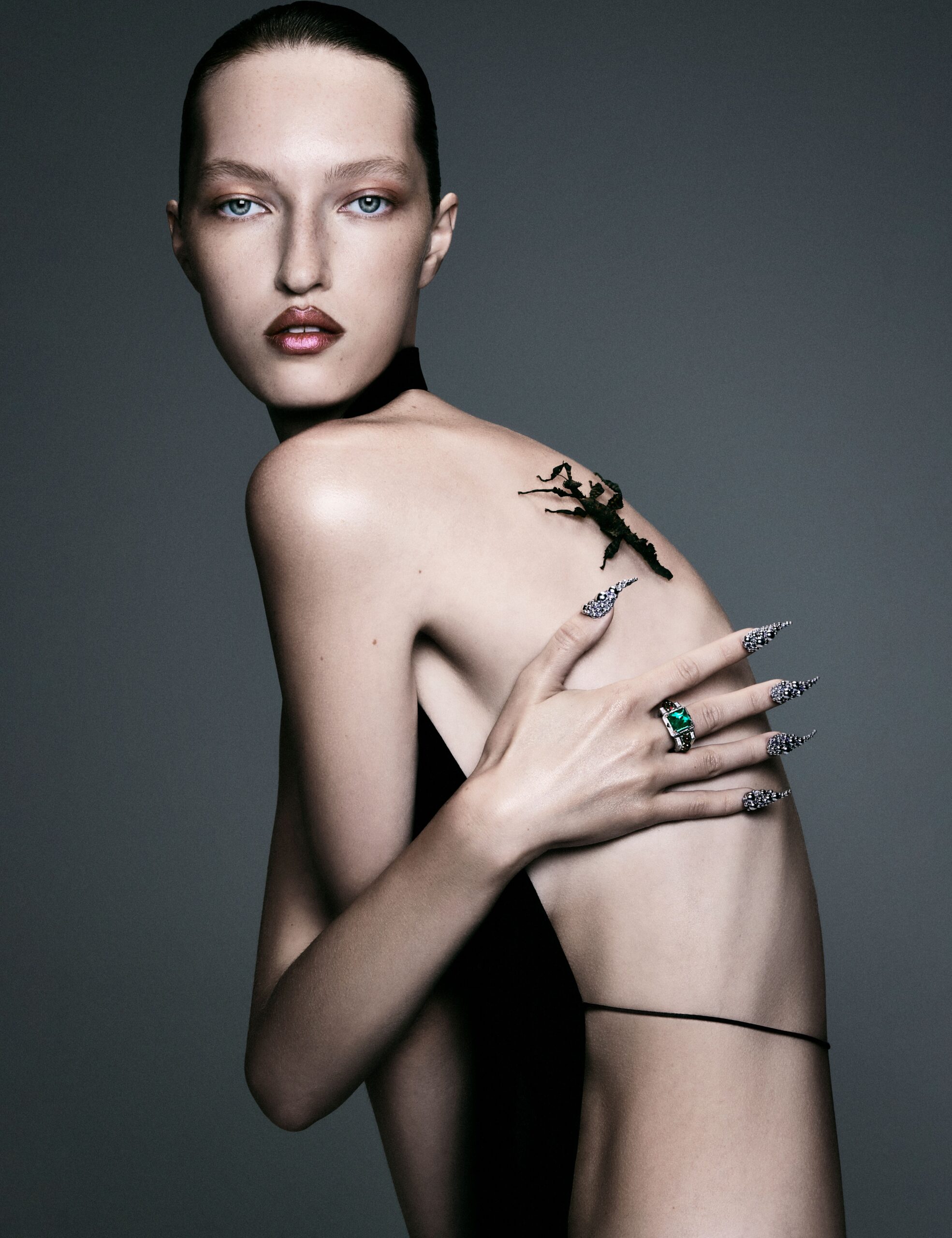
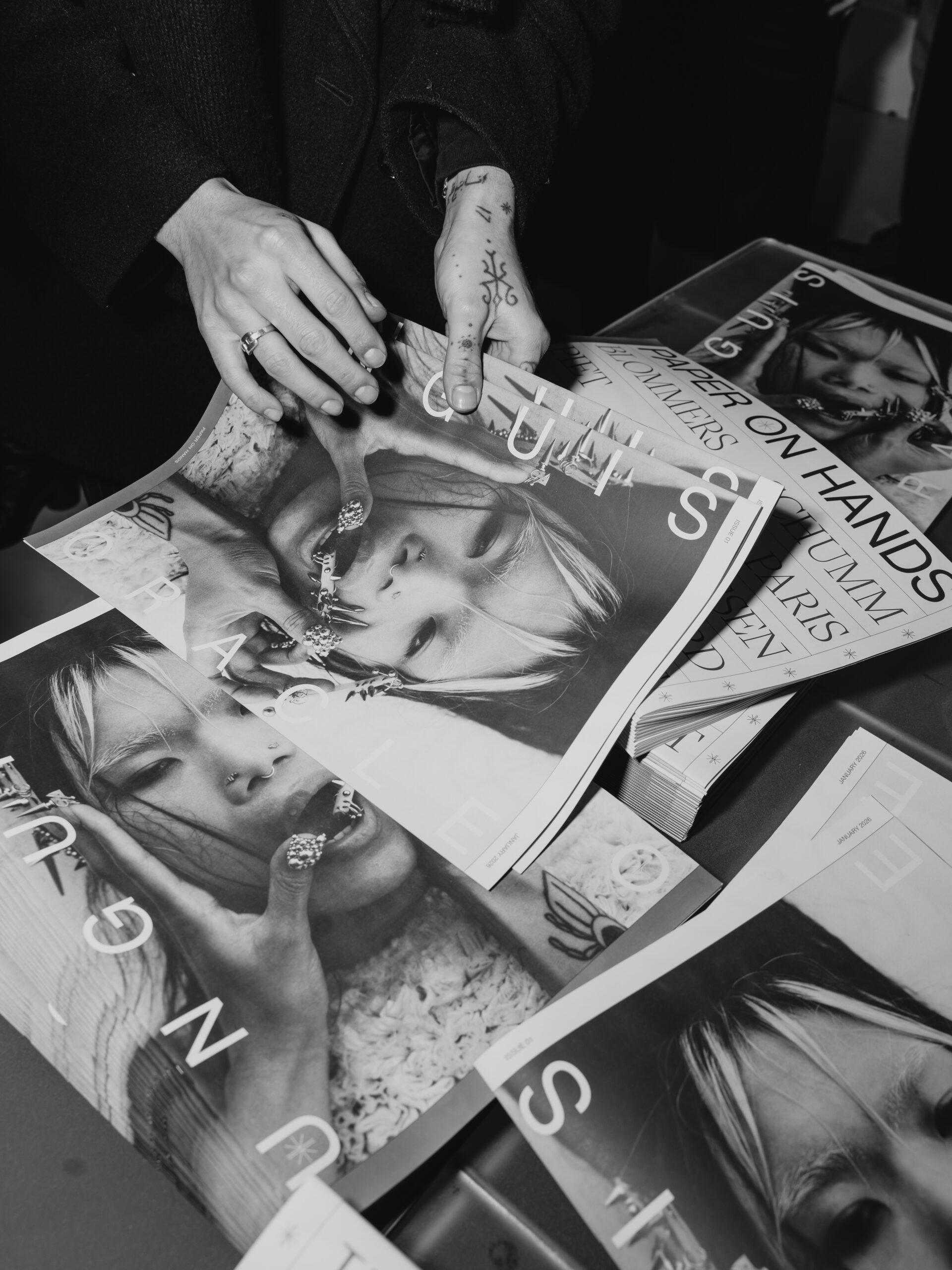
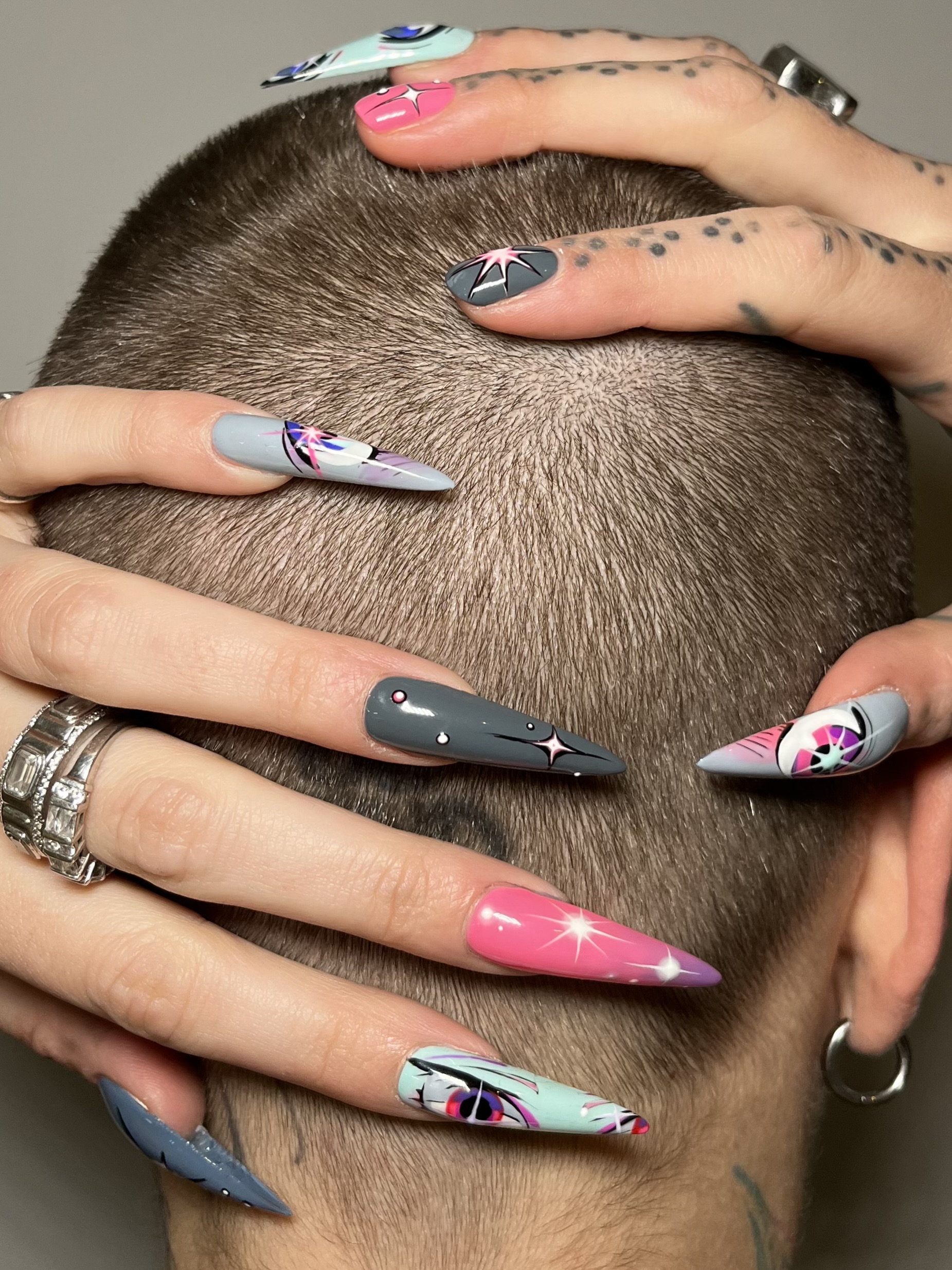
You just launched Unguis Oracle. What was the initial impulse behind turning nail culture into print?
A longing for slowing down and more controlled, curated food for the brain.
What made you choose this name?
I have always had a thing for names I cannot pronounce myself. Unguis is Latin for claw, and an oracle stands for information. Together, it captured exactly what I wanted to communicate.
Why did it feel important to make the first issue free?
Selling it would go against its purpose. I want people to connect with it. Selling it at this stage would feel ego-driven. It is about sharing art and knowledge. So for now, it is free.
The issue brings together voices like Bloomers and Schumm, Paul Kooiker, and a wide range of Dutch creatives. What were you looking for in contributors?
A sense of Dutch pride and ultimate creative freedom.
In a screen-dominated world, what does print still offer you?
Space for your mind to pause and imagine. It stimulates dreaming, whereas scrolling is mostly an adrenaline kick.
How long has Unguis Oracle been in the making?
In my mind, years. In reality, seven months with the team. Karen van de Kraats, Anne van Bokhoven, and myself.
The magazine questions hierarchy and authorship. Which rules were you most interested in breaking?
On the back of the magazine, we listed collaborators without prioritising one medium over another. Makeup artists, journalists, stylists, photographers. Everyone on the same level.
What does a day in your life actually look like?
Hectic. Managing three different jobs at once, while making time for my partner and trying to leave space for creating something new.
Looking ahead, do you see Unguis Oracle as an archive or something more fluid?
It is only at the beginning. I would say endless possibilities.
What feels next for you right now?
Maybe marriage. Honestly.