If you were an active internet user in the mid 2010’s, you’ll probably remember the moment influencer culture really started to take off. At the ripe age of eleven, when posting a Starbucks drink you bought with your weekly pocket money on Instagram felt like a major social event, the app still seemed relatively harmless. But slowly, it started turning into a place where feeds got curated, aesthetics were built, and the “influencer” as we know it now was born.
It was also the moment people started profiting off social media in an unprecedented way. All of a sudden the Kardashians seemed to set the tone for everything, from beauty standards to what people were buying, wearing, and aspiring to look like. The whole “King Kylie” era probably says enough on its own. You probably remember the wave of products that came with it: Flat Tummy Tea, SugarBearHair, waist trainers, questionable fitness plans, all presented to us by the Calabasas wellness empire as small but mighty purchases capable of transforming us into our “best selves”, or at the very least, into someone who looked better in an Instagram photo.
For me, that was the first time I was introduced to these pseudo-wellness products. I was around twelve years old, which in hindsight feels like a strangely young age to already be thinking about self-improvement in that way. At such a young age, you don’t really have the ability to question what I was being shown or understand how deeply those ideas could shape the way I thought about myself; they simply became part of the online culture I was growing up in.
Looking back now, was that the moment self-improvement started to feel like something that was constantly being sold to us?
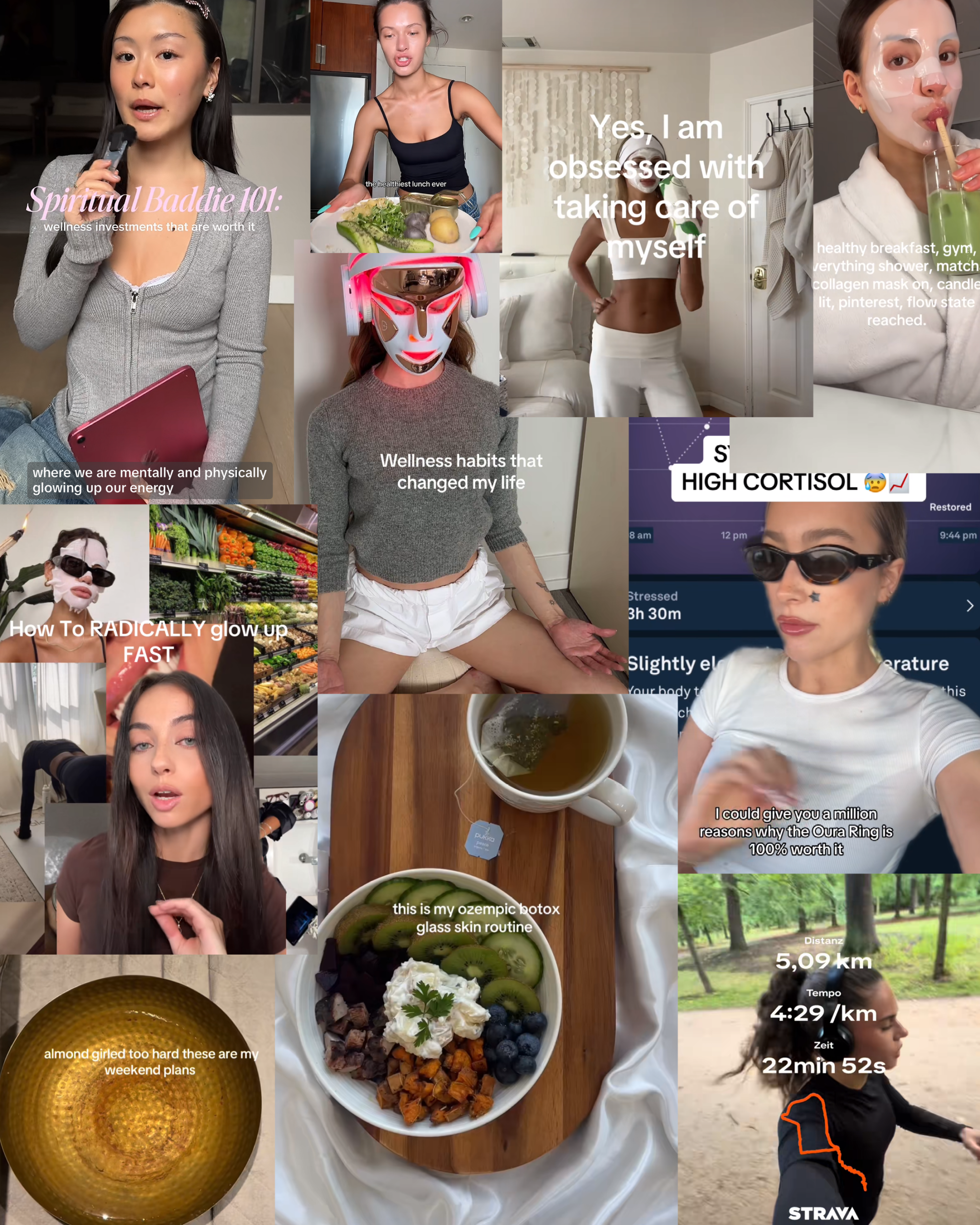
Now, almost a decade later, the internet and influencer culture have accelerated beyond belief, trends come and go faster than ever, but what I can’t help noticing is how prevalent wellness culture has become, or at least how it is framed online as a way of becoming a “better” version of yourself. Workout five days a week, six step skincare routine, high protein diet, ten thousand steps a day, eight hours of sleep, no alcohol, cut sugar, reset your nervous system, lower your cortisol, fix your hormones, start preventative Botox at twenty-three, GLP-1’s, optimise your morning, your night, your entire existence if possible.


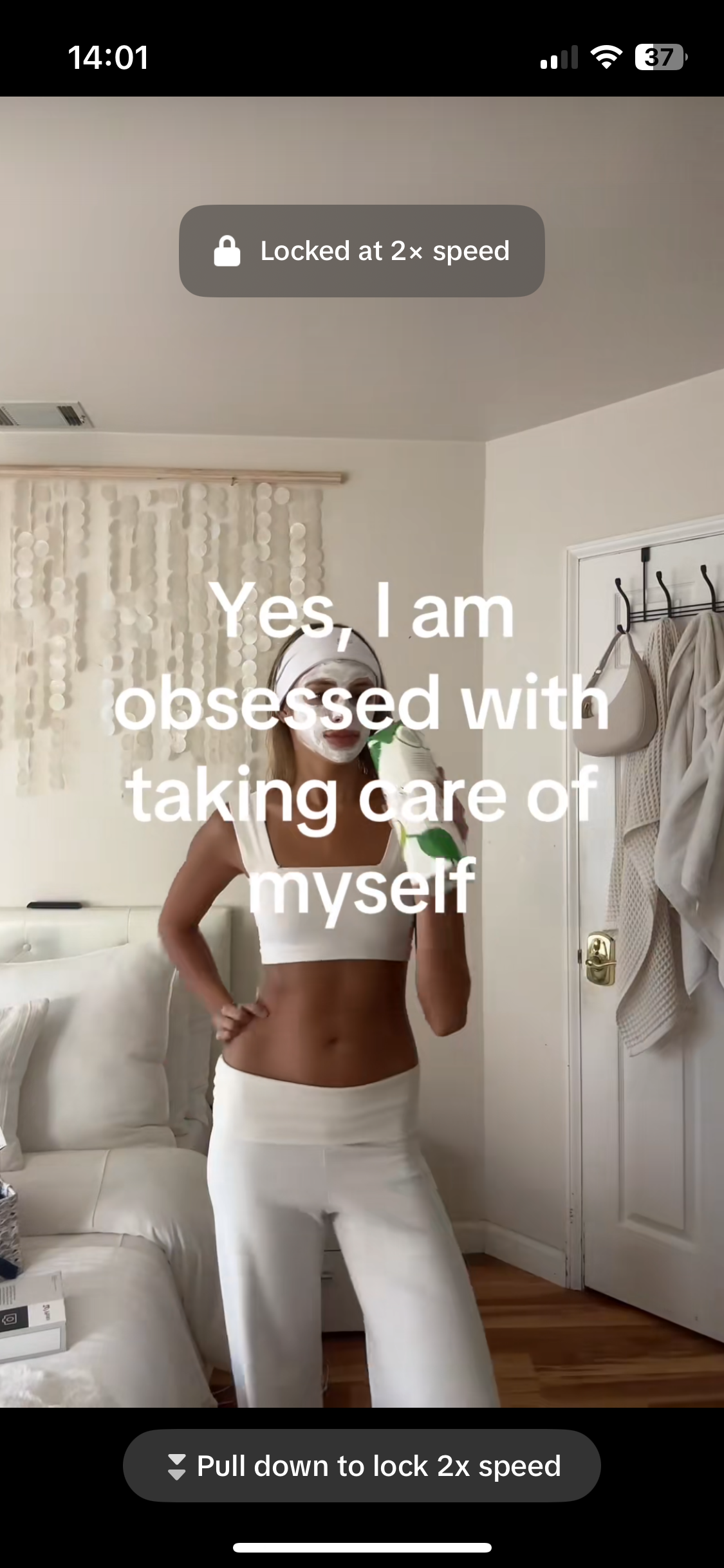
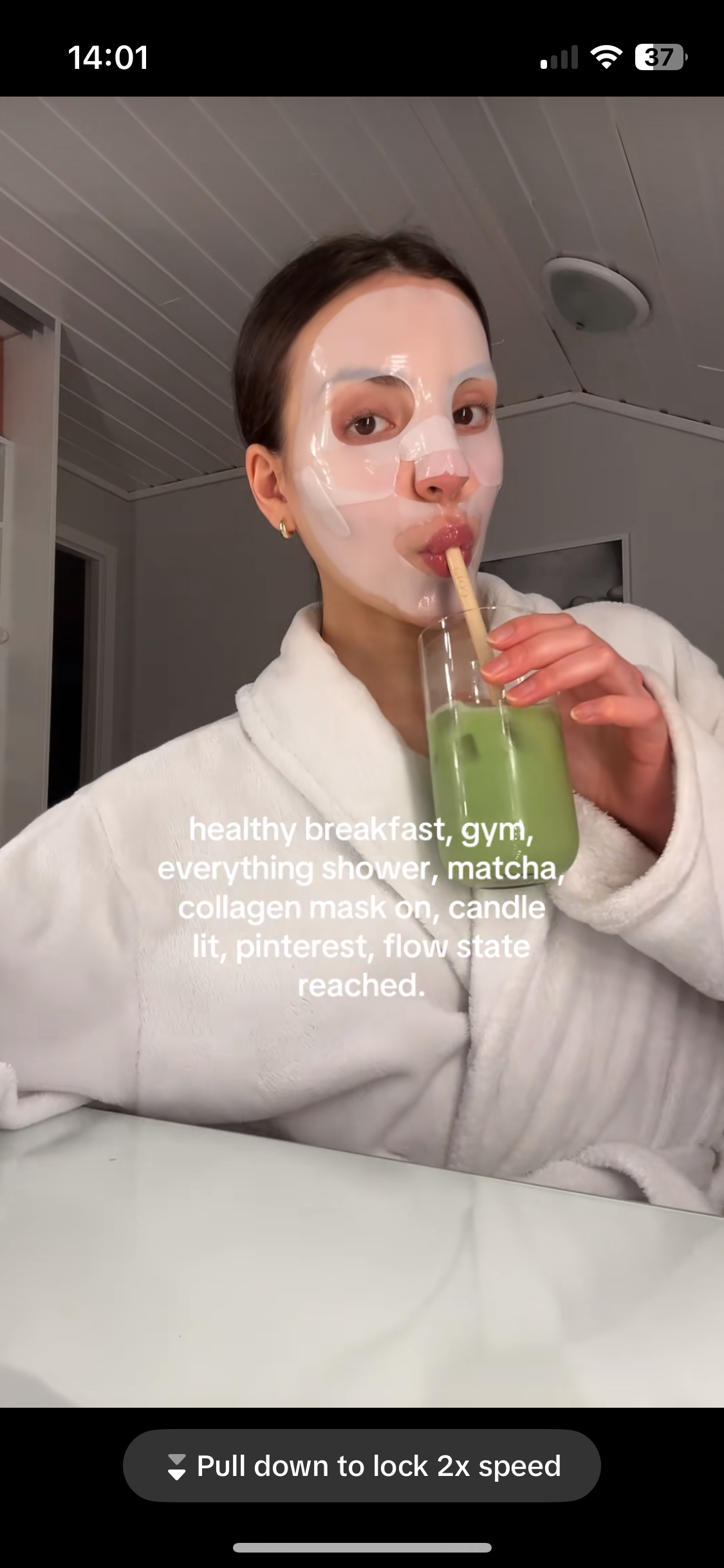
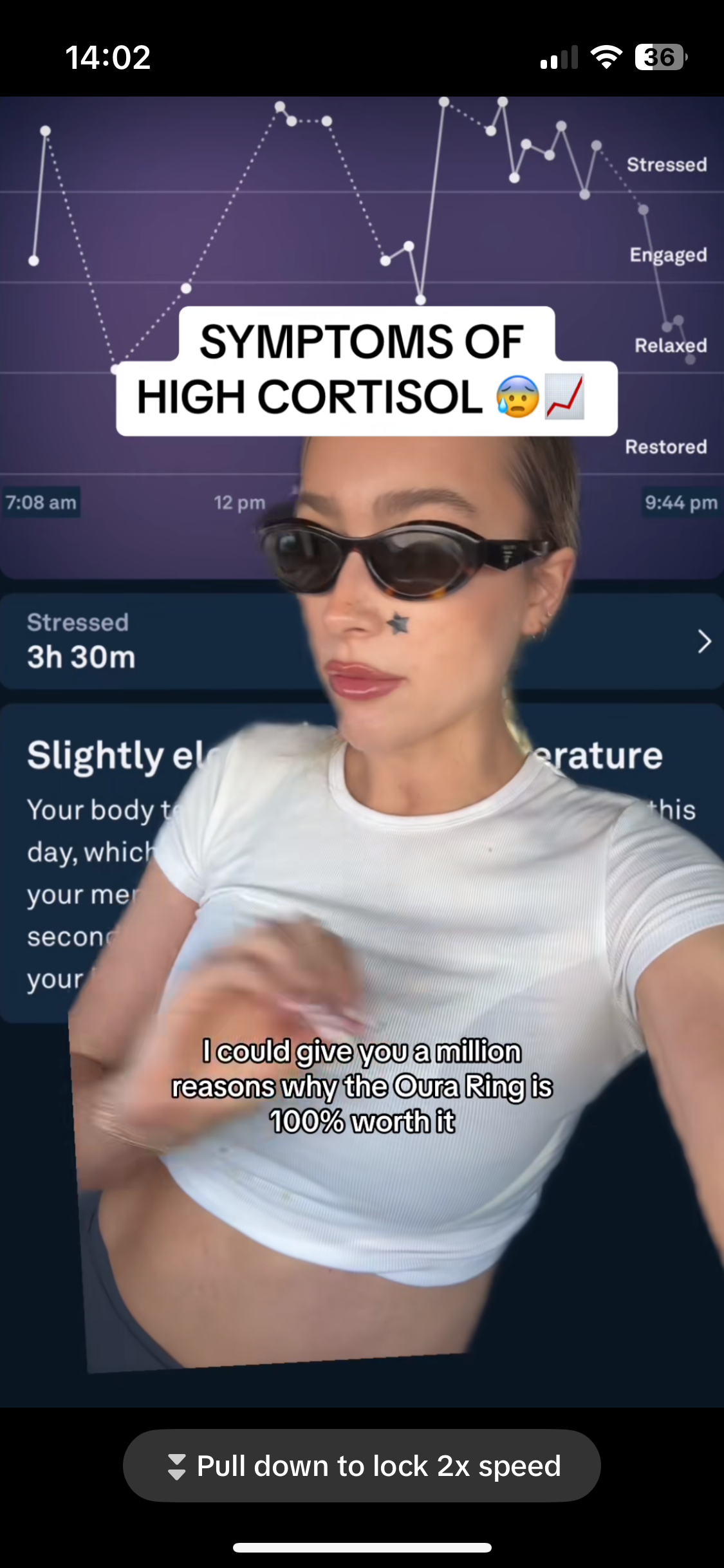


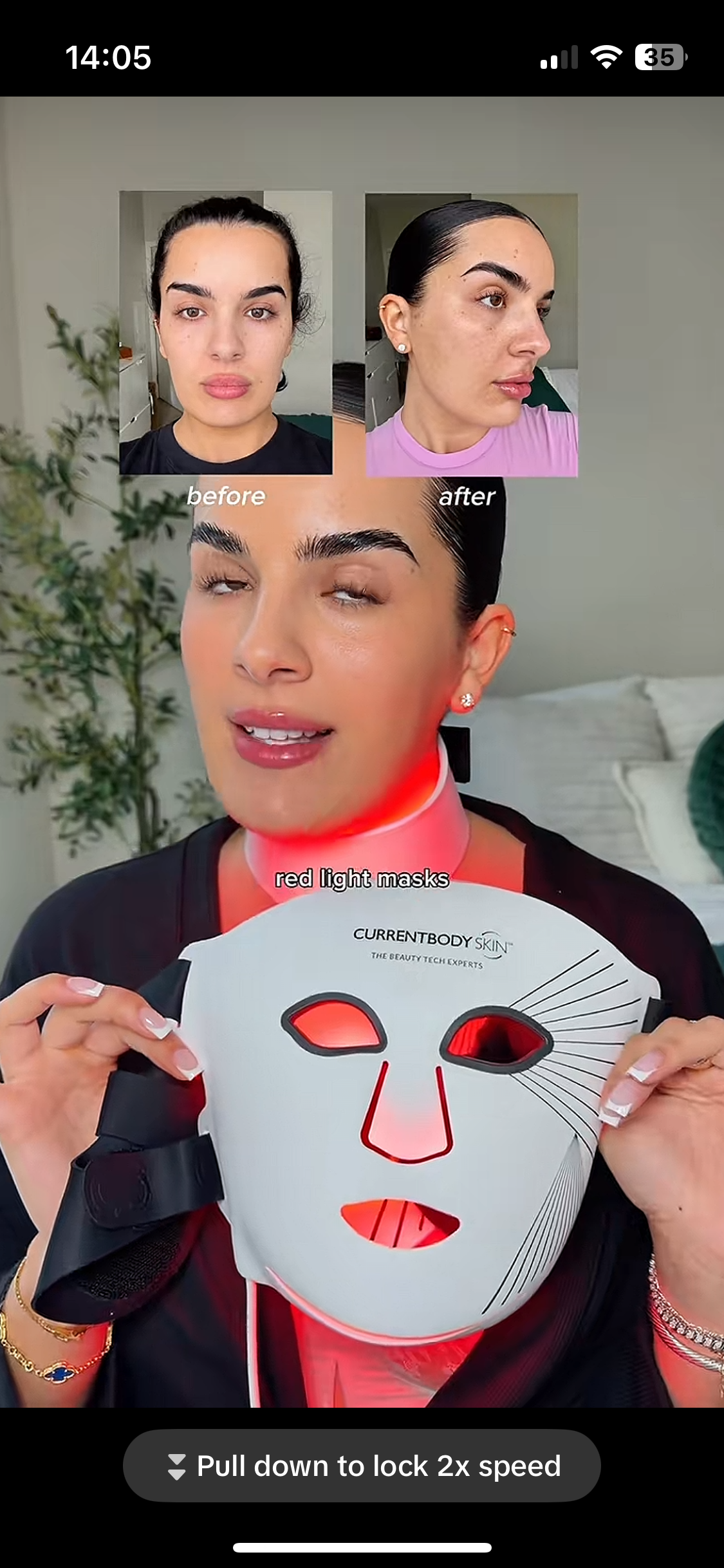

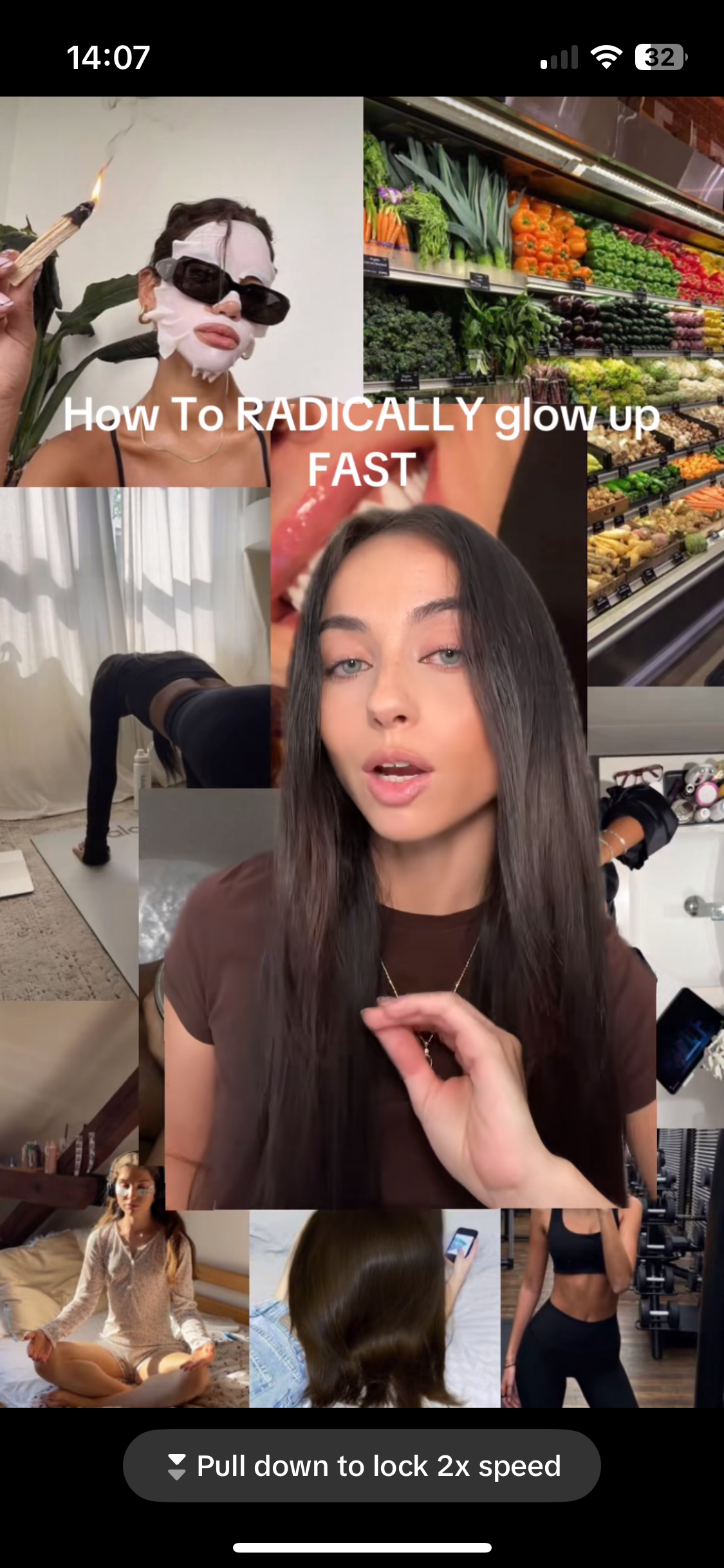
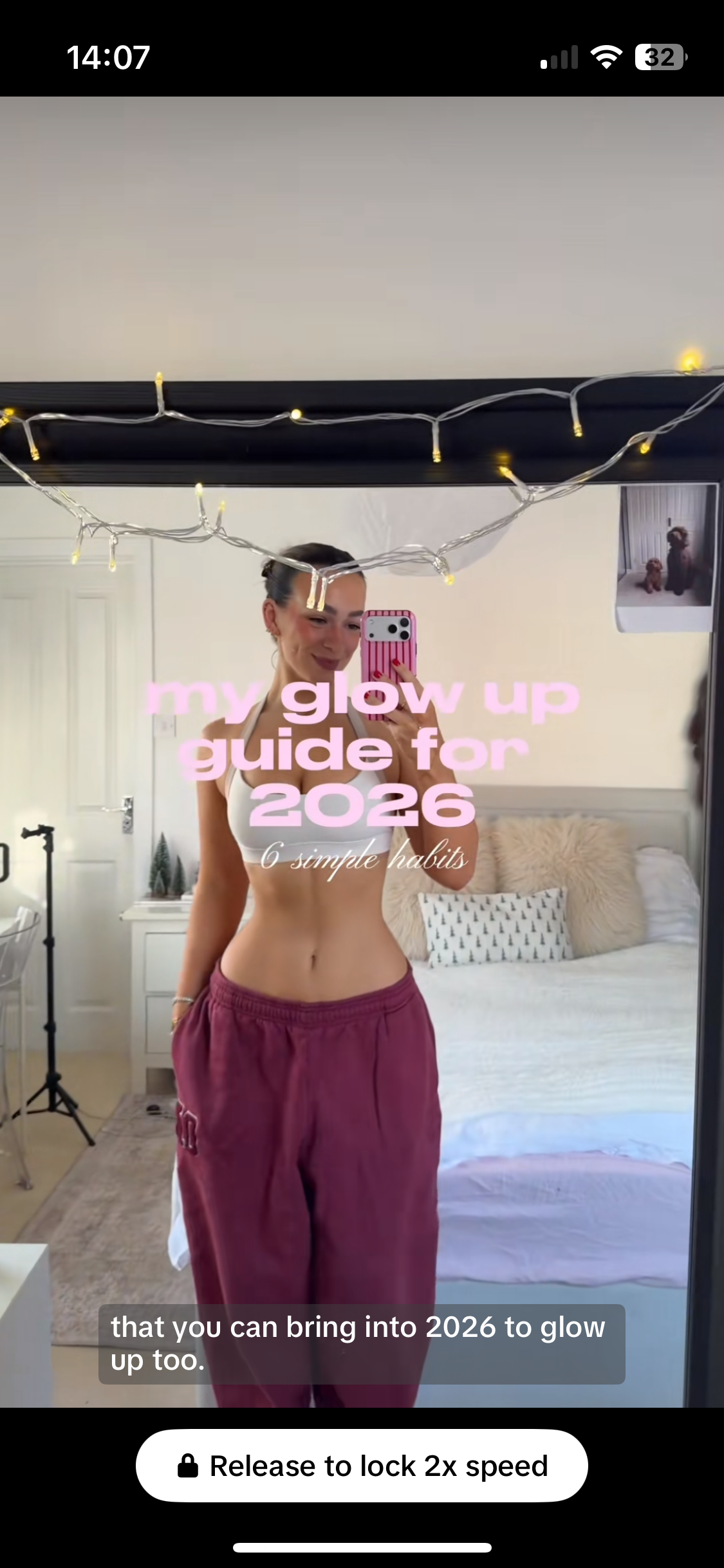


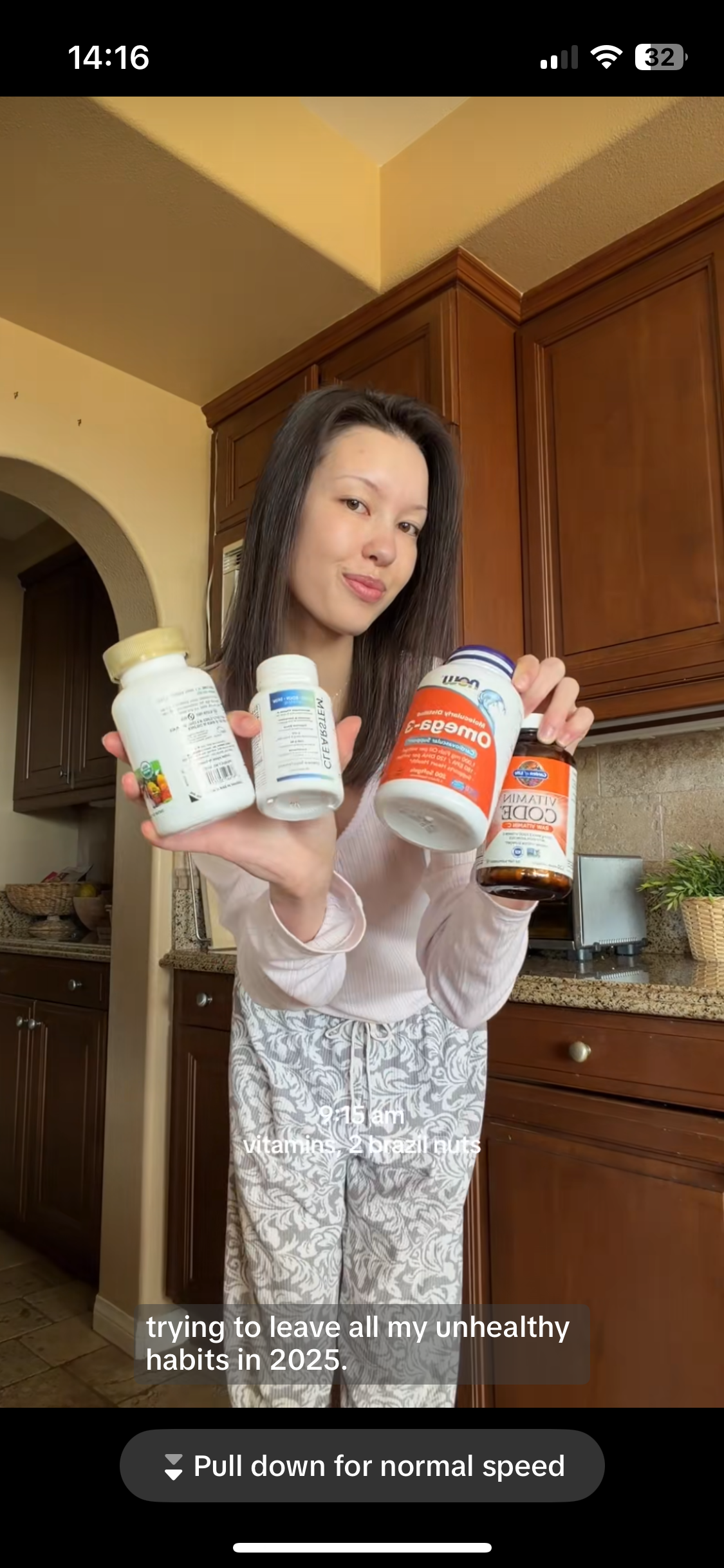
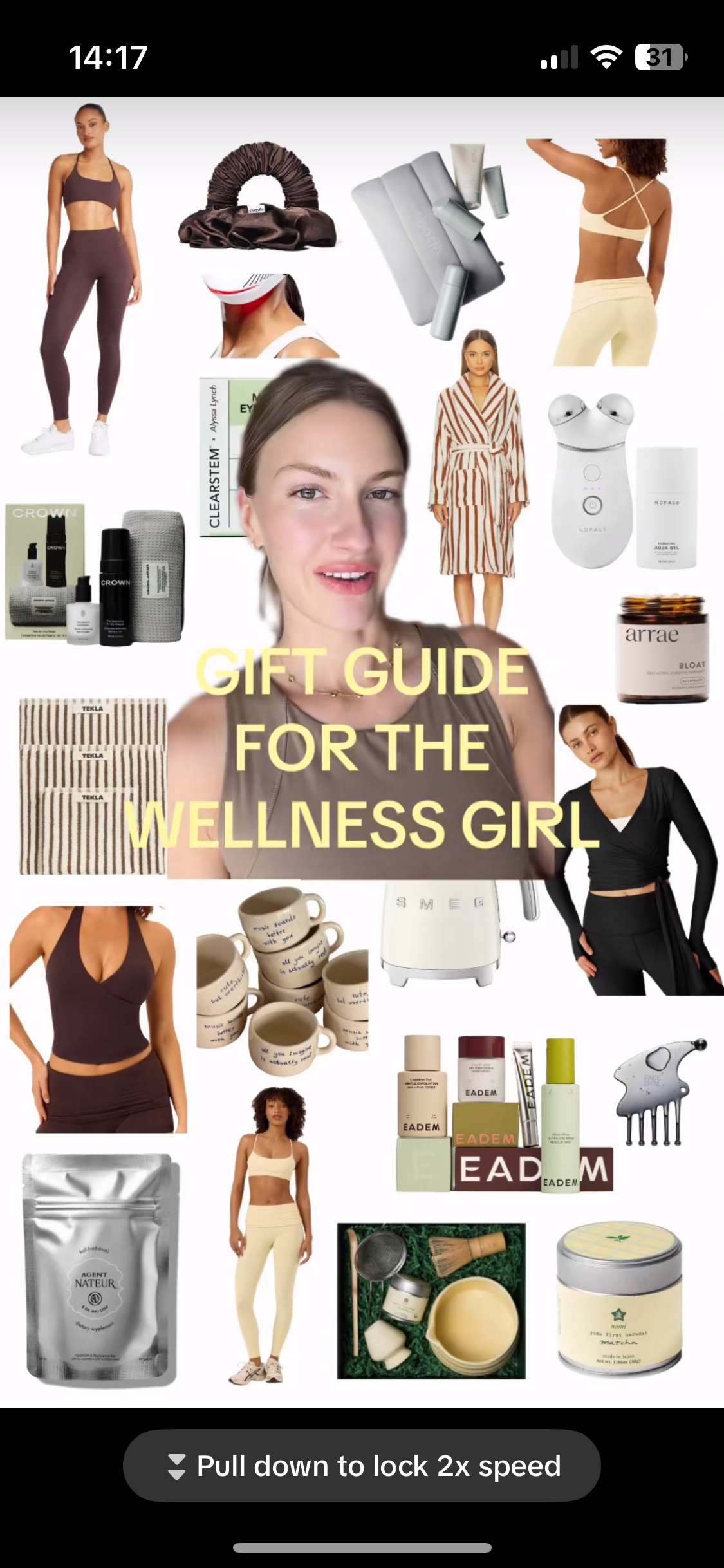
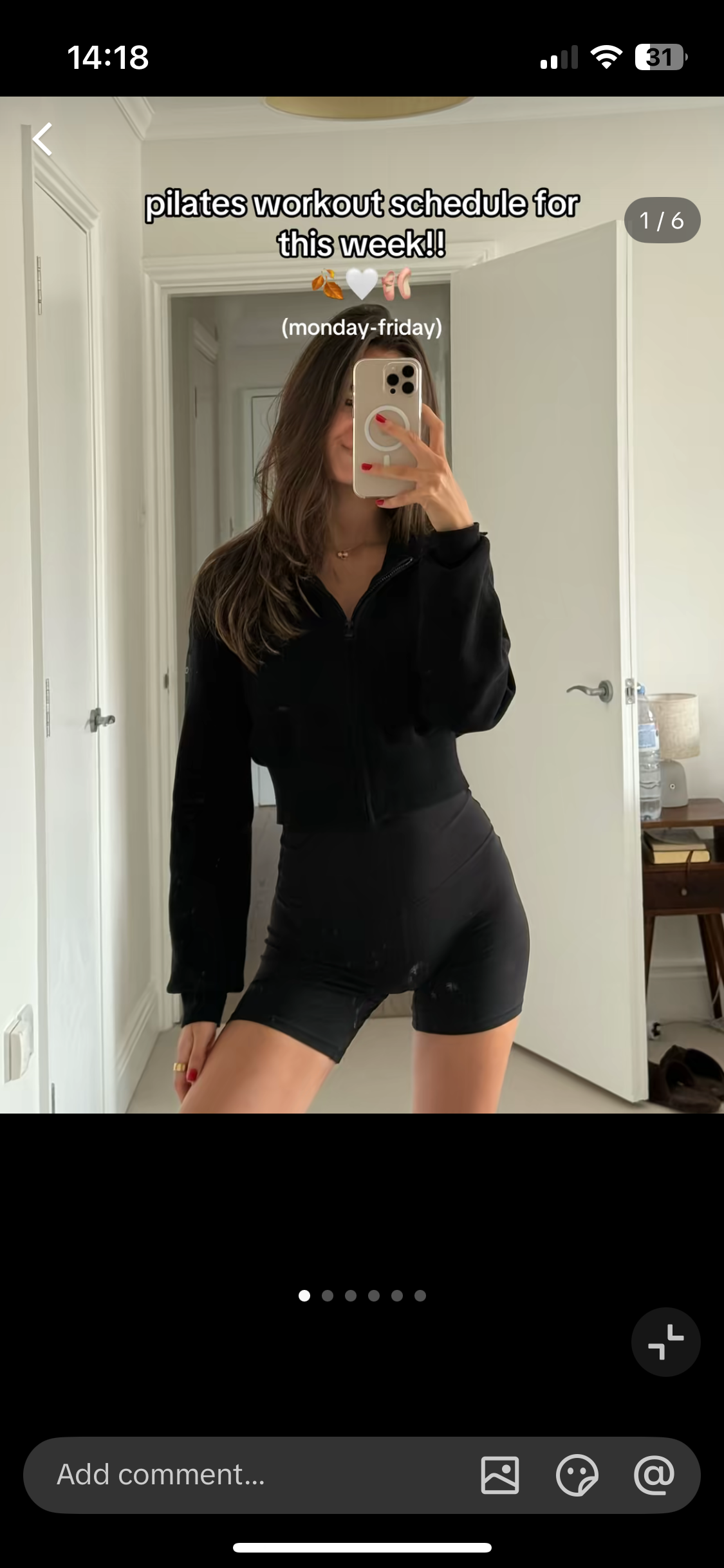
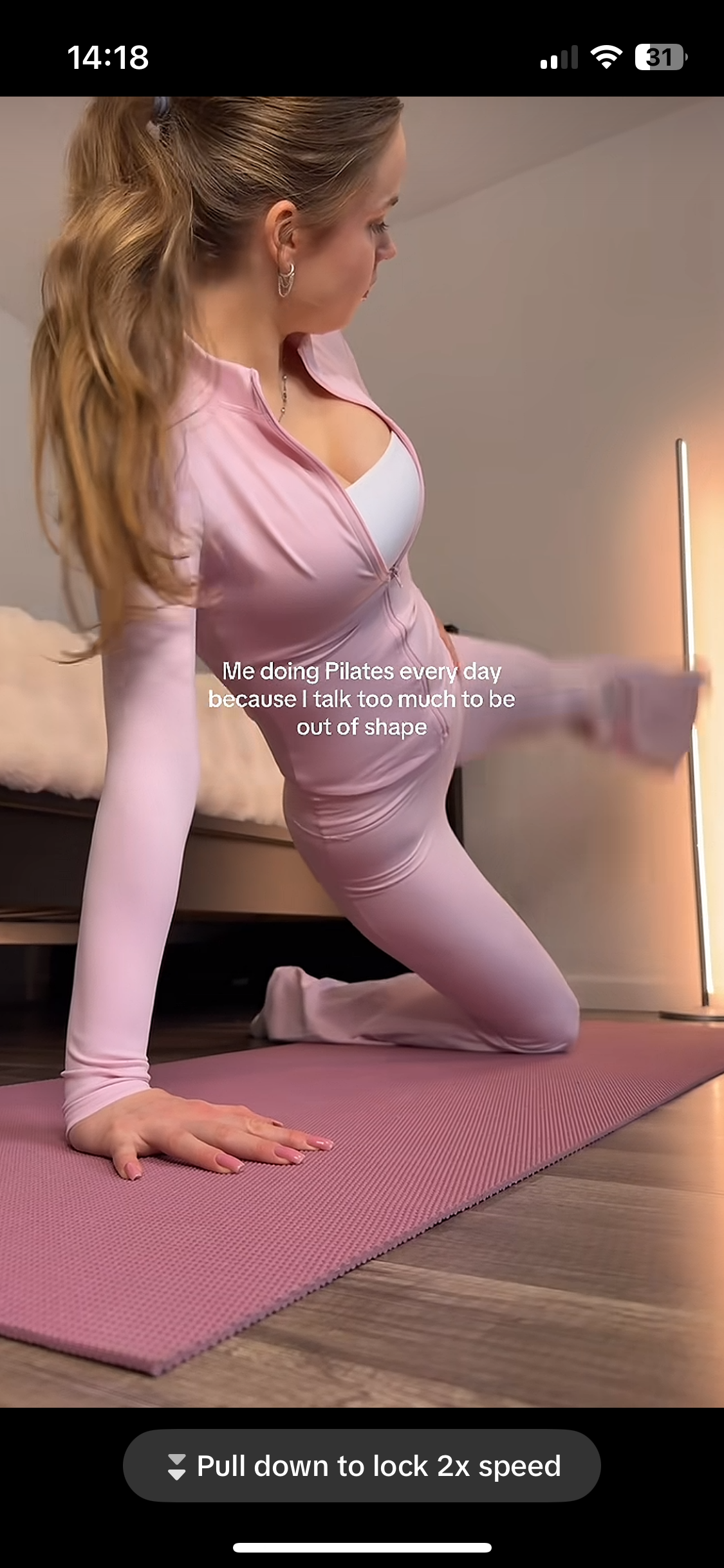
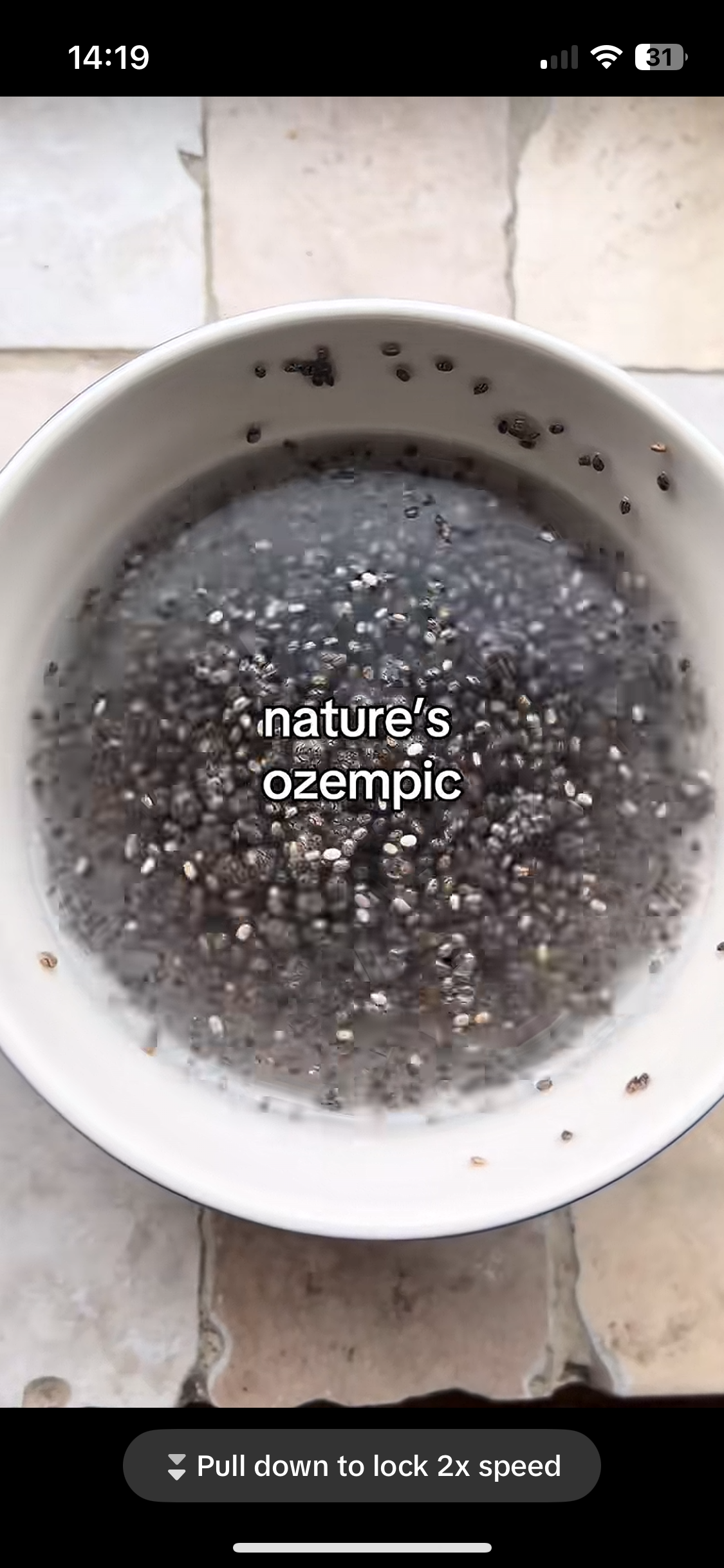
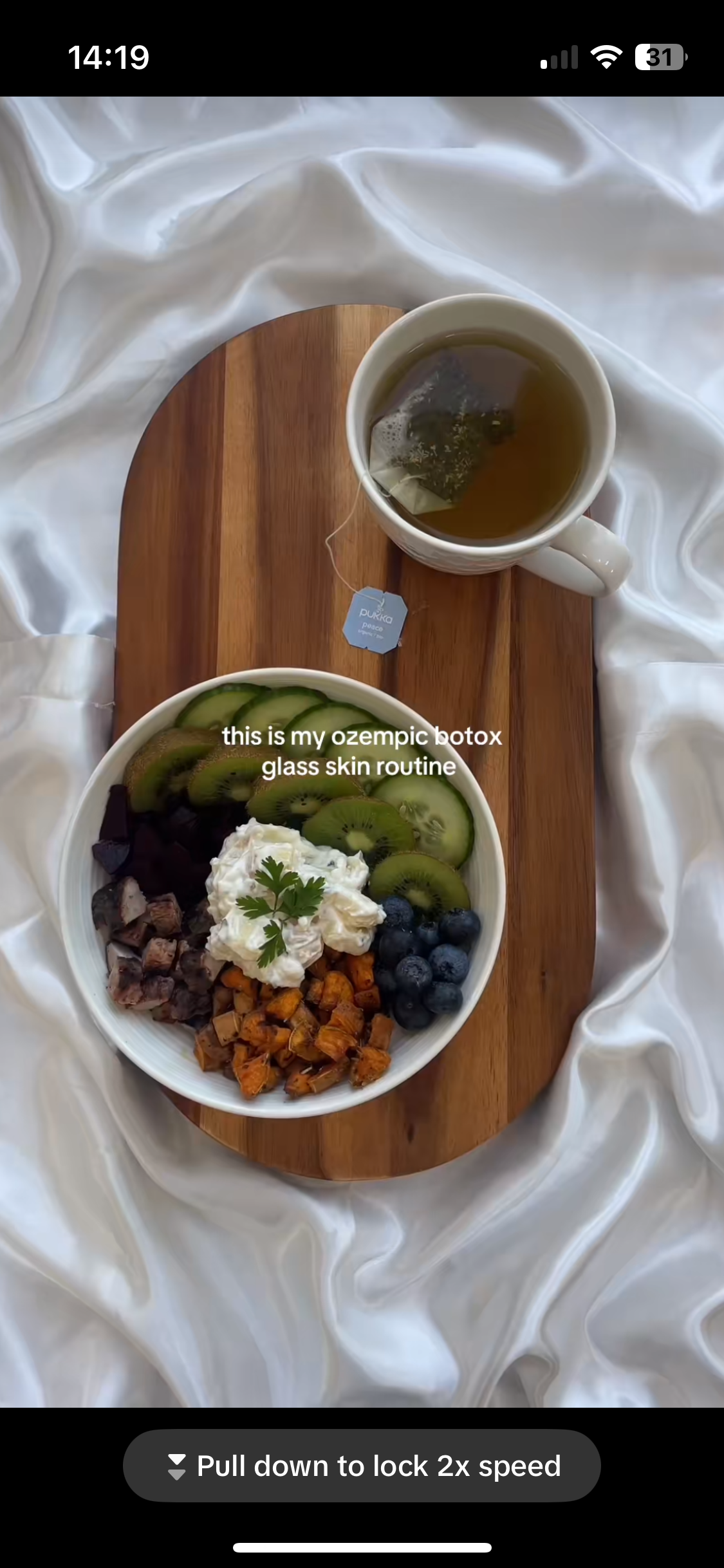

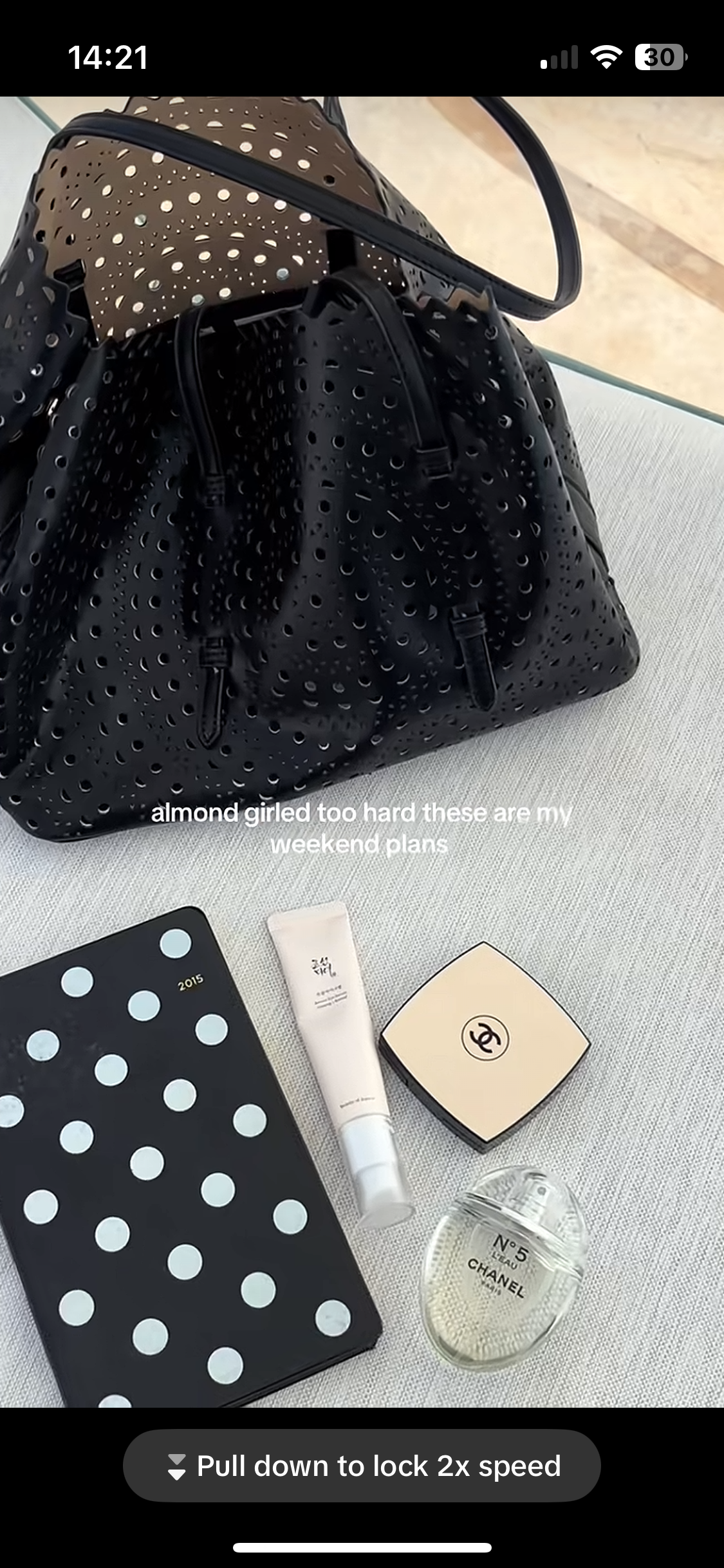
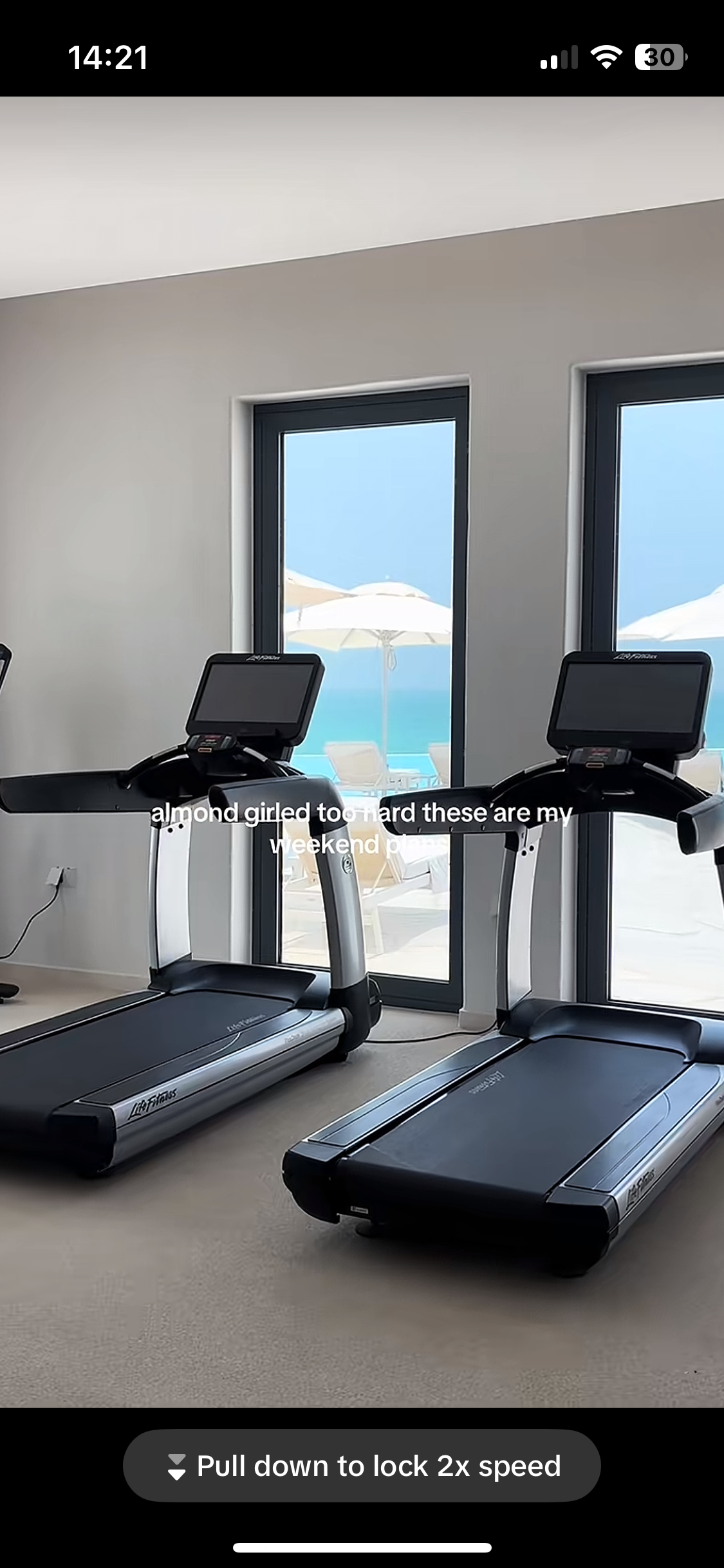




None of it is necessarily presented as extreme, which is kind of the point. It is all framed as simply just “taking better care of yourself.” But when you actually list it out like that, there is this slightly exhausting notion that there is always something else you could be doing, or not doing, or doing better. And in a broader sense, it starts to feel like we’re living in a time where being a person is less about being and more about constantly maintaining and upgrading yourself.
Maybe the reason this feels so widespread is not just personal choice, but the conditions around it. In current times, work feels less secure for a lot of people, money is tighter, and there is more pressure to constantly be “on top of things” just to keep life stable. In that kind of situation, it makes sense that people try to control what they can. Routines, food, sleep, exercise. Things that feel manageable and measurable when other parts of life do not. But it also means that uncertainty gets pushed inward, turned into self-management, as if instability in the world can be solved by perfecting the self.
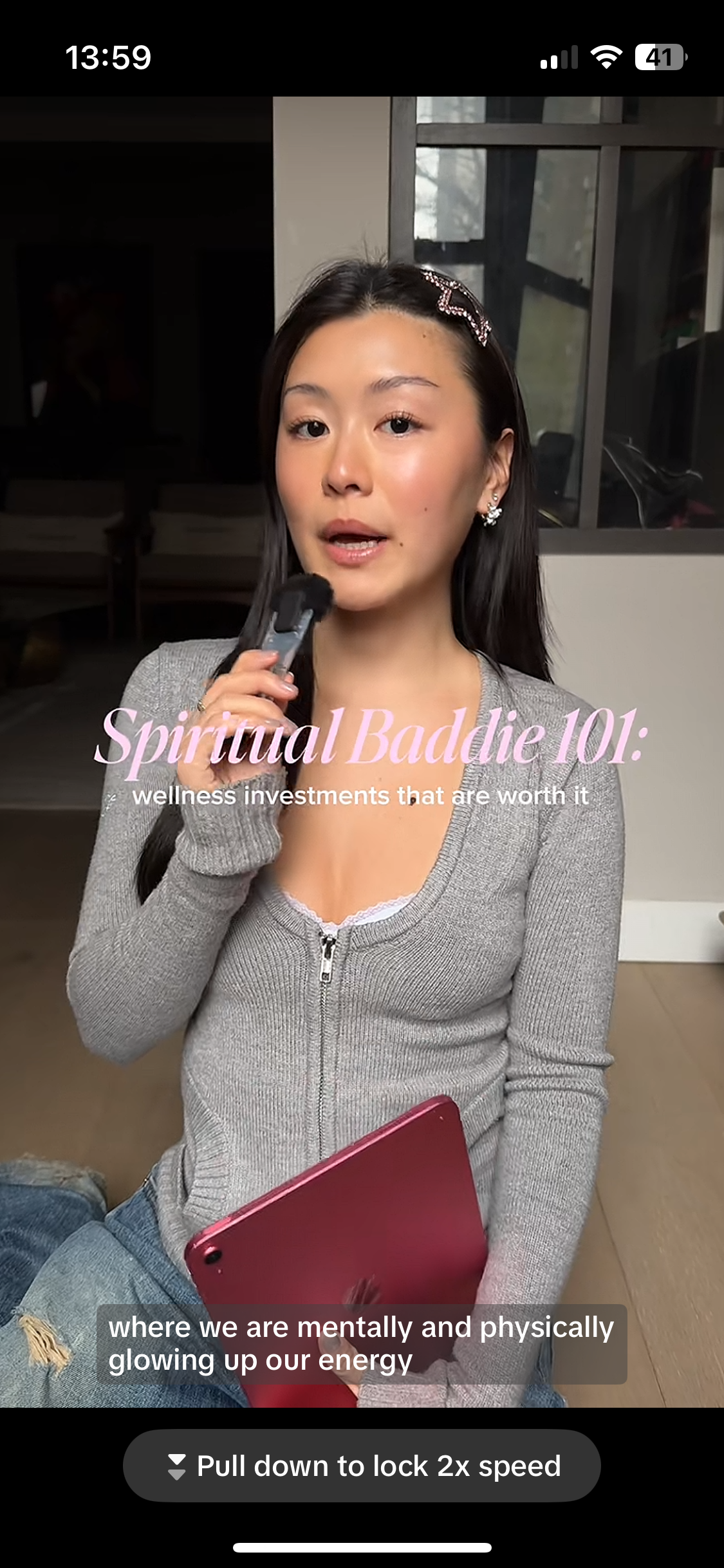
There is also a very direct commercial side to it. The way insecurity gets turned into something to sell back to you, especially in industries catered towards women, where there is a constant pressure of being either too much of one thing or not enough of another, and where there is simply too much money to be made from sustaining that feeling. If there is a feeling of not doing enough, not sleeping enough, not being healthy enough, there is usually something immediately available to “fix” that. An app, a supplement, a device, a subscription. It is framed as improvement, but it is still consumption built around a sense of lack. In that case, it is hard not to see how closely this ties into a wider logic of capitalism, where even personal habits and insecurities can become markets in themselves. There’s always something new being introduced, framed as something you need to “level-up” properly. Run, don’t walk to get a red light mask for your skin, Oura ring to track your sleep, the newest supplement for weight loss, ClassPass credits, collagen powder, all positioned as small upgrades that somehow move you closer to doing it “right”.
It is also not limited to one type of content or one audience. The same logic shows up elsewhere in different forms, just with another language around it. In more male-dominated corners of the internet, there has been a rise in “looksmaxxing” content online, where self-improvement is framed very directly around appearance optimisation. Skincare routines, gym splits, jawline exercises, tracking body fat, all discussed in a similar language of becoming the “best version” of yourself, just in a more explicit and sometimes more extreme way. The framing is slightly different, but the structure is the same: identify something about yourself that can be improved, and then build a system around fixing it.
What makes all of this feel normal is partly the way it is presented. Embedded in people’s routines, stitched together into something that looks like a very controlled version of everyday life, it becomes hard not to compare it to your own version of a day. What often gets lost in this is that for a lot of people making this content, maintaining this kind of lifestyle is the job. For someone working a regular 9 to 5, earning an average salary, it is obviously not that simple to replicate that kind of lifestyle.
Maybe the bigger picture in all of this is that trying to control every aspect of your life does not necessarily make you feel better in the way it promises to. I’ve noticed this in small ways, in myself and in people around me, where routines look quite structured from the outside, but there is still a lot of tension attached to keep them going. Missing a workout, sleeping less than planned, or just having a day that does not go the way it was “supposed” to can start to feel like it carries more weight that it actually should. And in a way, it also takes something away from the unpredictability and spontaneity of life that is usually where growth happens. I’m reminded of a conversation with a friend who at one point had a really intense routine, very structured, very strict with everything from workouts to sleep to what she ate, and she said that when she started letting go of it a bit, she actually began to enjoy life more.
It makes you wonder what exactly is being improved in all this. Because if the goal is to feel better, it does not always seem to work out that way in practice. A lot of things in life that aren’t really problems start to feel like problems because they are simply framed that way. And once they are, there is usually some sort of product or routine ready to fix them. So maybe the shift is not just in how we take care of ourselves, but in how much we increasingly feel the need to control every aspect of our lives. And, If this is where things are now, it is hard to not wonder what the next version looks like. At this rate, even relaxing might need a routine.