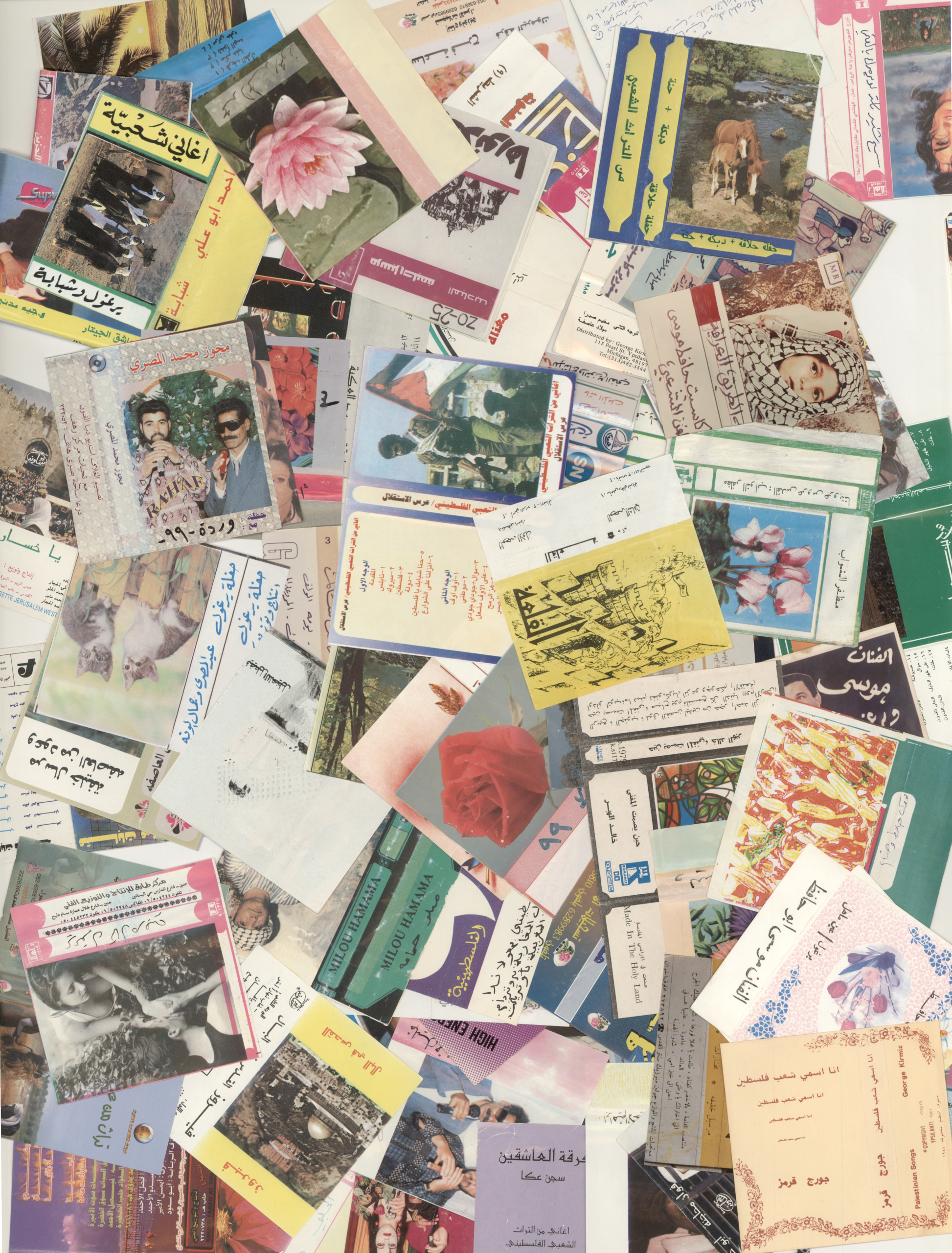
Photo credits: Palestinian sound archive / Majazz Project, piksiwork CRT PIKSI, Sarah Abudagga
What happens to a culture when its history is taken away? And what happens when someone decides to bring it back, one cassette at a time?
At this year’s Le Guess Who? music is as much a means of archiving and political expression as it is a reason to gather. Among the festival’s many voices is Mo’min Swaitat, the Palestinian actor, musician and founder of the Palestinian Sound Archive, whose work explores the relationship between sound, memory and resistance.
Originally from Jenin and now based in London, Mo’min began collecting Palestinian records and cassettes long before he knew they would become an archive. What started with a chance encounter with a record collector, followed by the rediscovery of thousands of dusty tapes in a shuttered shop in the Jenin refugee camp, has since grown into a project dedicated to preserving and sharing Palestinian musical heritage.
On Friday, Nov. 6, at 3:30 p.m., Swaitat presents “My Beautiful Side of the Archive,” combining a documentary screening, conversation and DJ set to explore decolonial approaches to archiving and the act of cultural preservation as resistance. Later that evening, from 11 p.m. to 1 a.m., he joins researcher and DJ Karma Abudagga for a set drawing from the archive’s extensive collection of Palestinian sounds.
Ahead of the festival, spoke with Swaitat over email about the stories behind the tapes, the importance of keeping cultural memory alive and why the future of an archive is just as important as its past.
Aida: I really admire the work you do and I am very interested in the power of resistance in music and activating the archives. Can you tell us how you started this project? Did you collect everything on your own?
I started the project on a serious scale during COVID. I was on a supposedly short time from London to my hometown of Jenin and I was not able to go back to London due to the lockdown.
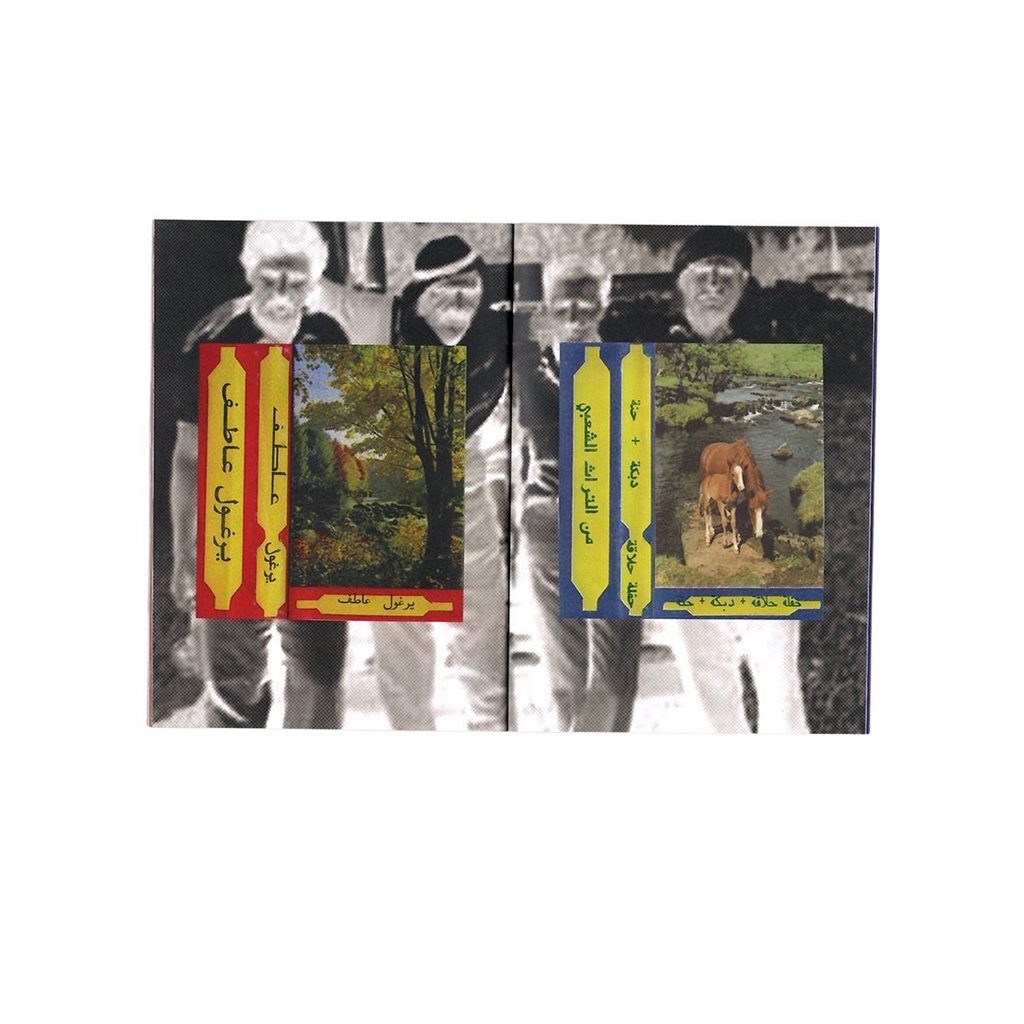
I trained as an actor and was working in theatre and planning tours, and everything basically came to a stop. I’d already been collecting Arab and Palestinian vinyl through an incredible record collector I met in Jenin who used to run a music label in the ‘70s. I didn’t know then but it was the start of the label and the Palestinian Sound Archive.
During COVID I had a lot of time to sit with my memories of Jenin and my childhood – something I hadn’t done for a while – and kept thinking back to a man, Tariq, whose shop I used to buy from as a kid in the ‘90s in the camp. He always had a lot of cassettes and bootlegged mixtapes, so I decided to see whether he was still around.
The shop was shuttered but some guys in the camp told me how to find him. He brought me back to the shop and took me around his collection – thousands of tapes covered in a thick layer of dust.
What have been some of the biggest challenges you’ve encountered in building and maintaining the Palestinian Sound Archive?
There have been practical hurdles like mastering old vinyl and cassettes, tracking down the original recording artists, getting to grips with the scale of the archive. It is a process I love. The main challenge we have faced have been living through this genocide, watching our loved ones, as well as our history, heritage and identity, being decimated.
This is why the project is so important to me and – I hope – to others too. Our archive has always been threatened by the settler colonial regime. Our films, books, photographs, research and music have been seized since 1948 and over many decades continue to be stolen and held in Israeli state-run archives, including to this day. So every chance to hold onto our material culture is meaningful and an act of resistance.
Why do you think people should take an interest in archives?
They should only be interested if they’re interested! There are many different routes into the archive – there are so many genres, disco, funk, revolutionary anthems, spoken word, rock, punk, orchestral albums, field recordings, Bedouin psychedelic dabke tracks (that go on for 30 plus minutes each side) so hopefully there is something for everyone.
For me, this is about preserving Palestinian music for those original recording artists (some of whom haven’t heard their music since they originally recorded it, because it was banned or looted by the regime) and about allowing Palestinians in the diaspora to engage with our cultural heritage. That was the driving force behind this work. But I’ve been so moved by other artists and archivists who have resonated with the work we’re doing – Chinatown Records for example, who have a beautiful project of their own – because these conversations and connections are reminders of the power of music to connect people and open us up to new ways of relating to each other and the world.
Looking ahead, what would you ultimately like the Palestinian Sound Archive to become?
To grow, expand, keep putting albums out, keep sharing the incredible histories of the original musicians, to digitise as much as possible. To have a physical space in Palestine where Palestinians can go in and listen to, sample and play around with the vinyl and cassettes.
You have performed in the Netherlands before. What has your experience of playing here been like?
I love being here. There’s a magical vibe and a real appreciation of music. In the cities I’ve played it, I’ve got to meet a lot of people from different backgrounds too which – as someone who lives in London is always important to me.
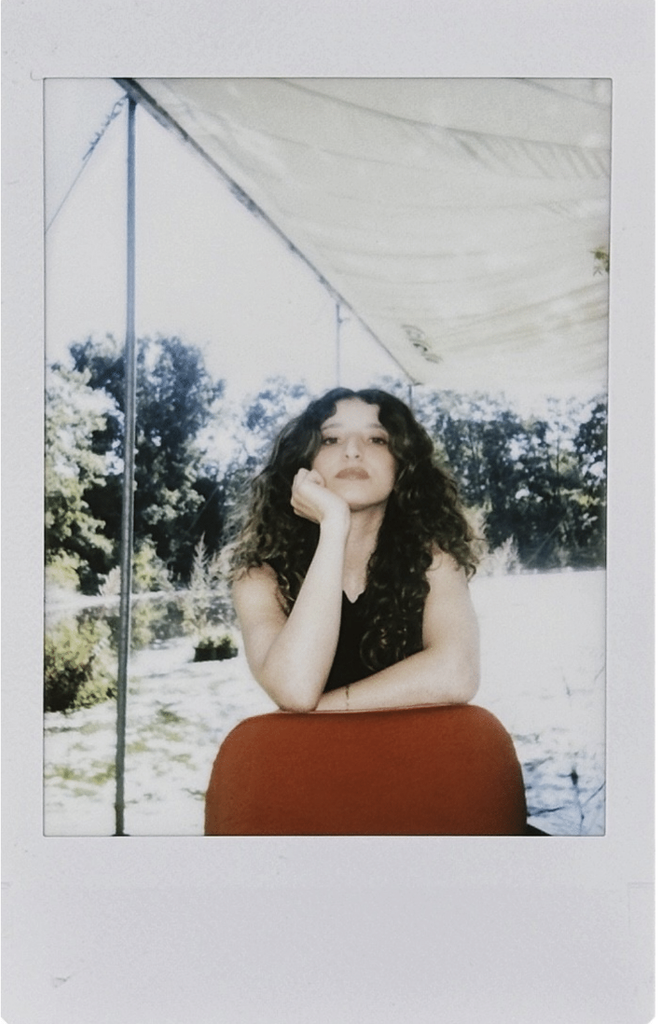
How do you and Karma Abudagga decide what to play ahead of a performance, such as the one at Le Guess Who?
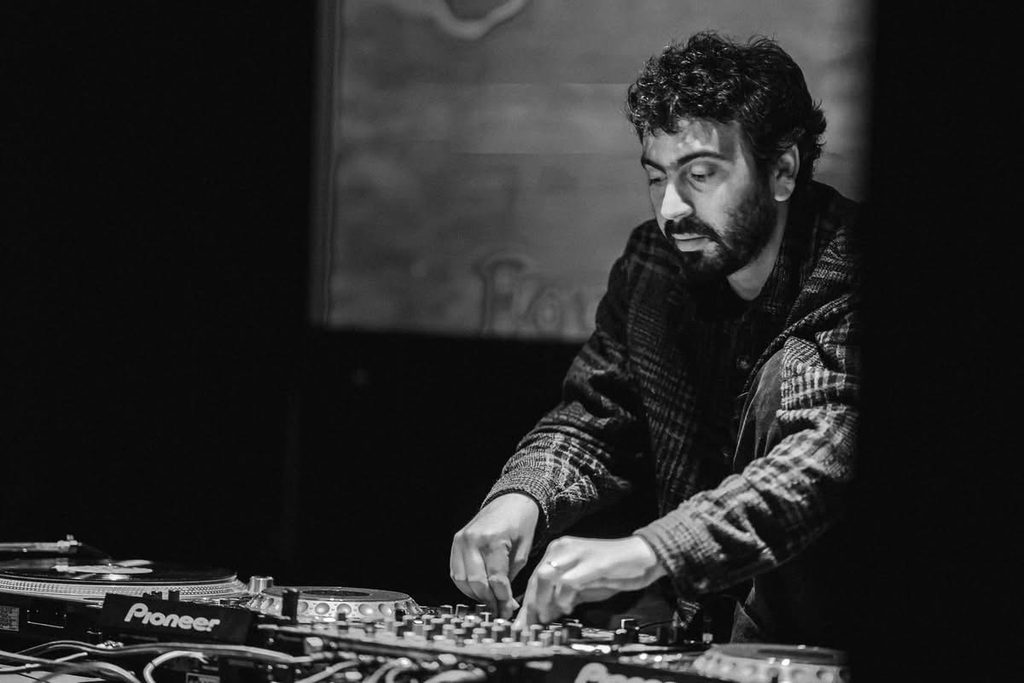
You have to ask Karma about her own process. She’s an amazing DJ and artist and has played a really important role in the archive. As far as my process, it really depends on the theme, the vibe and the space. The archive is so flexible but it’s also huge. So I start with the space I’m playing in, the capacity, the A/V and the acoustics and then build it from there. As I mentioned, I started out in theatre, so a lot of the “listening sessions” involve an element of storytelling. That’s a very ancient Palestinian tradition – one man or woman in a room gathering others to share a story – and it’s very powerful. It was never just about partying for me, although everyone needs a space for joyousness and release too.
Do you often get approached by other Palestinians who want to share their own family archival materials?
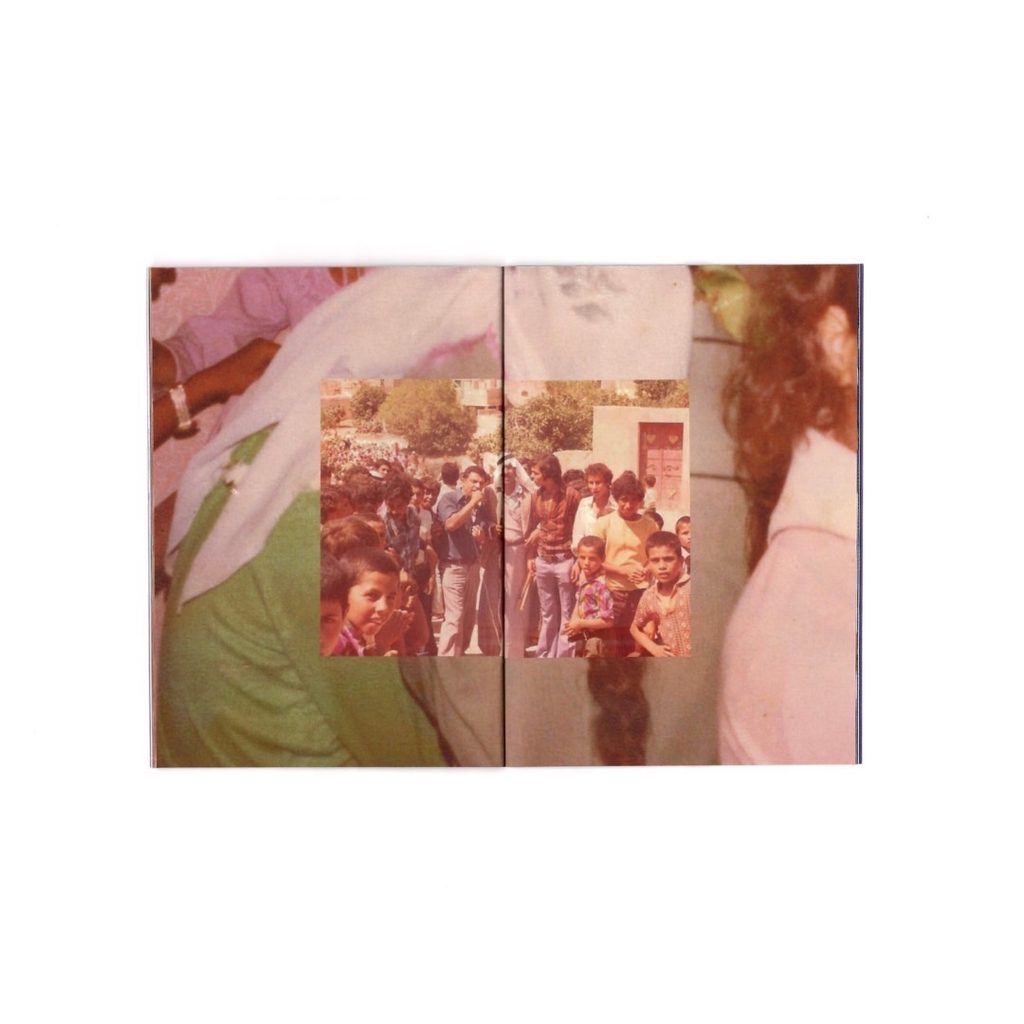
Yes, and this is beautiful. If there’s a way to incorporate it, then I will. I always encourage others to pursue their own archival projects. I had no training for this and learned on the job. We’re all archivists, if we’re interested in preserving and disseminating our own – and others’ – histories. That’s a lot of what this project is about.
It’s not the establishment of a physical site which is a very colonialist notion (that you have to gather all the materials, itemise and number them in a particular way and then police access to the collection) it’s about an attitude to history, heritage, memory that goes beyond physical relics and opens up the archive to new connections, people, communities and futures that can be more utopian – even when we’re living through this modern dystopia.
Do you have a message for young people reading this?
Experiment with archives yourself, whether this is sound, a memory, something physical or an oral history. Trust your instincts. And don’t try to recover everything. Start small, seek out beautiful stories and histories and don’t be afraid to experiment. Archiving isn’t about perfect preservation – it’s about dreaming up new possibilities from what you have available to you and about being open, curious and respectful towards the archives you find yourself in possession of.