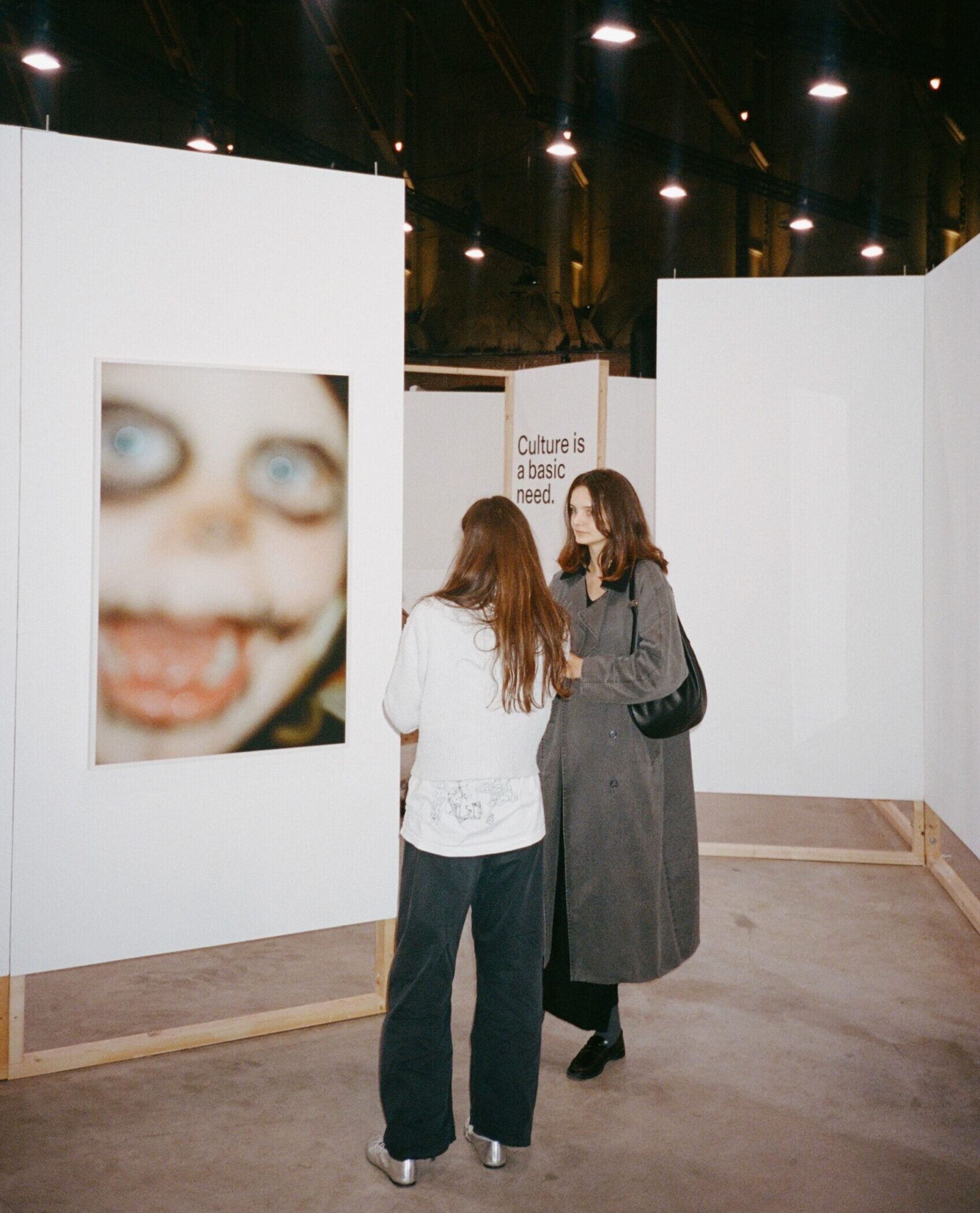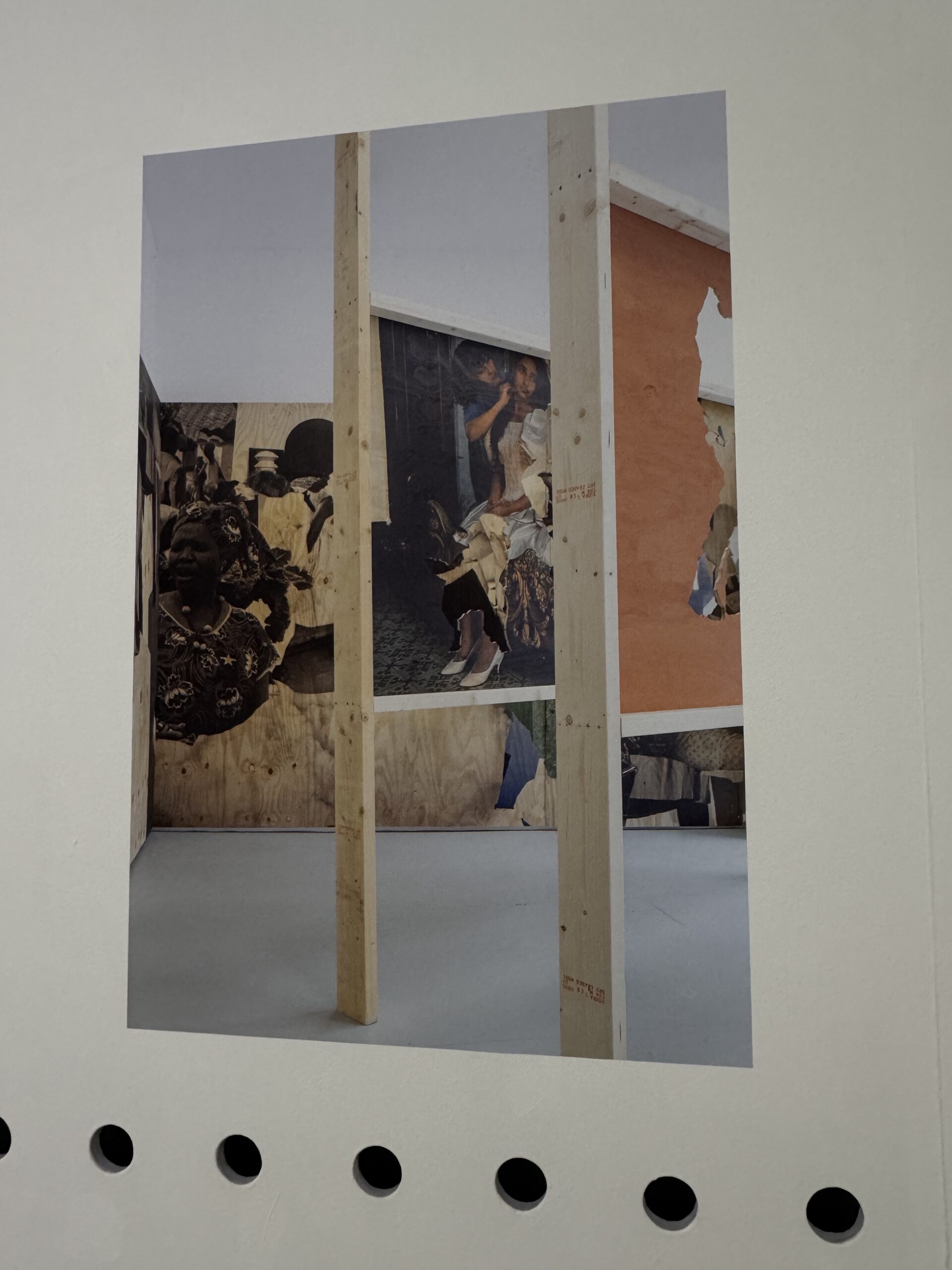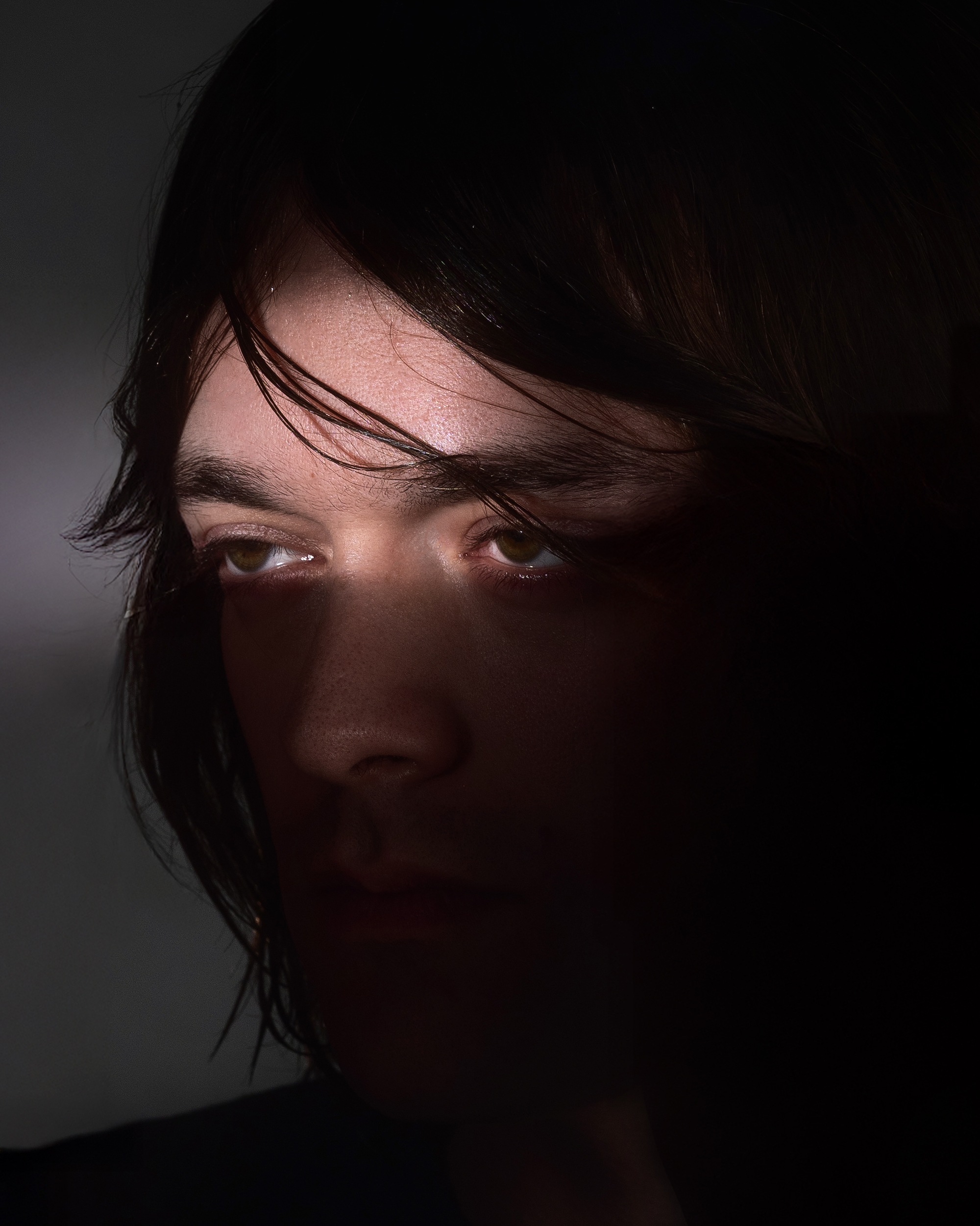
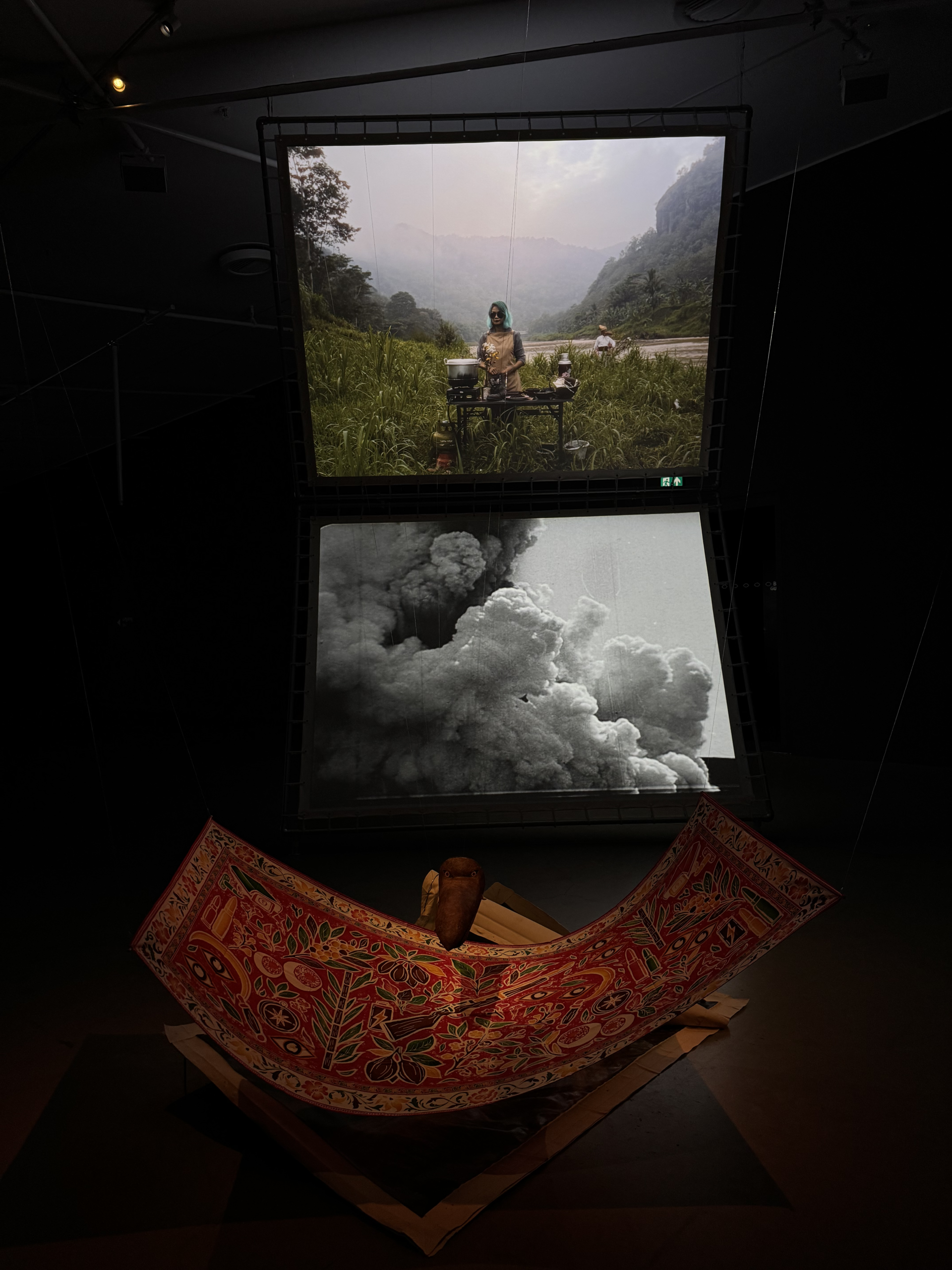
In early April, Eye opened a new exhibition curated by Hicham Khalidi in close collaboration with Judith Öfner and titled “Eye(s) Open: New Perspectives on Colonial Film Heritage”. The exhibition invited 11 artists to create 10 works, based on colonial-era movies from occupied Suriname and Indonesia. The films are part of Eye’s collection and are living witnesses to Dutch colonial history. The exhibition questions them by asking what the role of the camera is as a perpetuating power, and who has access to making films and who does not?
Living in times like these, the exhibition at Eye points out how to stay critical and reconstruct the dominant conservative narrative. After visiting the exhibition, I started wondering more about how the Netherlands is dealing with its violent past. How are the ghosts of colonialism still present in both everyday life and in cultural spaces?
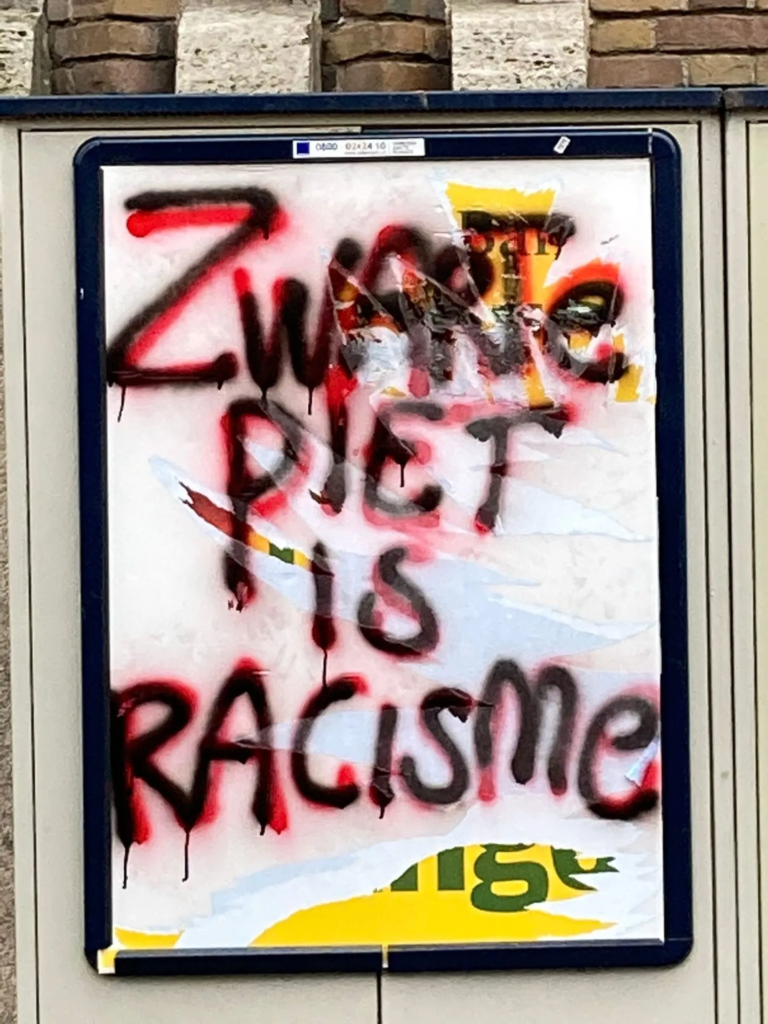
For decades, the Netherlands has cultivated an image that has been that of a small, ethical, and tolerant country, in which problems of colonial violence and racism do not exist. Gloria Wekker’s book “White Innocence” depicts a brilliant portrait of colonial aphasia, the current structural racism, and the neglect of the knowledge and feelings of those subjected to colonial oppression. She draws attention to how wealth, cultural capital, and global connections are a product of the cultivated innocence that depends on denying the exploitation on which they were built. By circulating images and movies of stereotypes like Zwarte Piet, white innocence appears natural and morally justified.
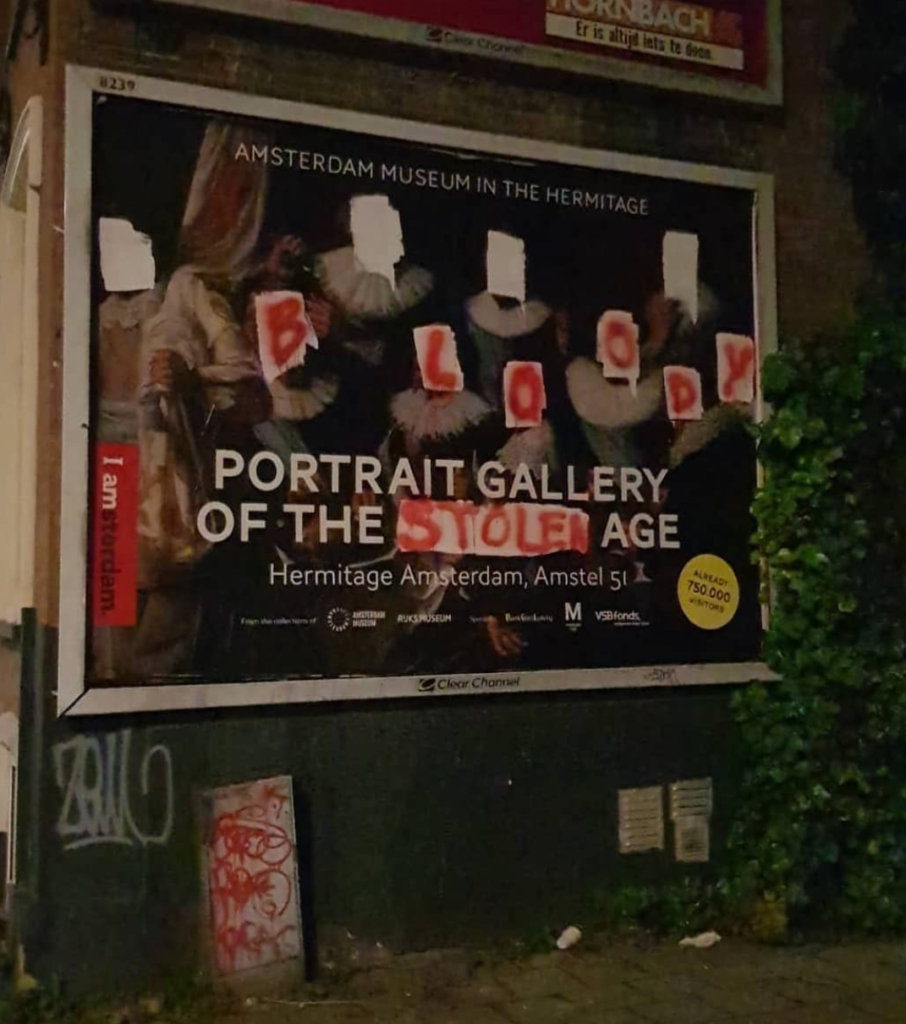
The cultural sector has been a mirror of that colonial aphasia. A good example is when, in 2019, the Amsterdam Museum decided to drop the name “Dutch Golden Age” from its exhibition, as it lacked the ability to reflect the country’s brutal, colonial history. The argument used was that, rather than confronting it, the term depicted violent colonial expansion in a nationalist way. At the time, Mark Rutte called the action “nonsense”, and the Rijksmuseum decided to keep the title in its collection. In 2021, the Rijksmuseum opened the exhibition “Slavery”, which confronted the Dutch slave trade. Fast forward to 2022, Mark Rutte (then Prime Minister) issued his first formal Dutch apology for taking part in slavery and mentioned how exploitation led to discriminatory patterns in social inequality. King Willem-Alexander’s apology followed it in 2023, the year marking the 150th anniversary of the abolition of slavery. The same year, the current World Museum changed its name from the Tropenmuseum (Tropical Museum). All these examples have an odd timeline, and the apologies took a very long time to be addressed. They demonstrate that cultural archives do not have to be buried in basements and dusty collections, but they have to be opened and questioned about what and how we remember. This does not mean erasing Dutch history, as some may argue, but instead, amplifying the discussion by adding multiple voices. If it took so long to address the country’s brutal history with a formal apology, how long will it take for true change to take effect?
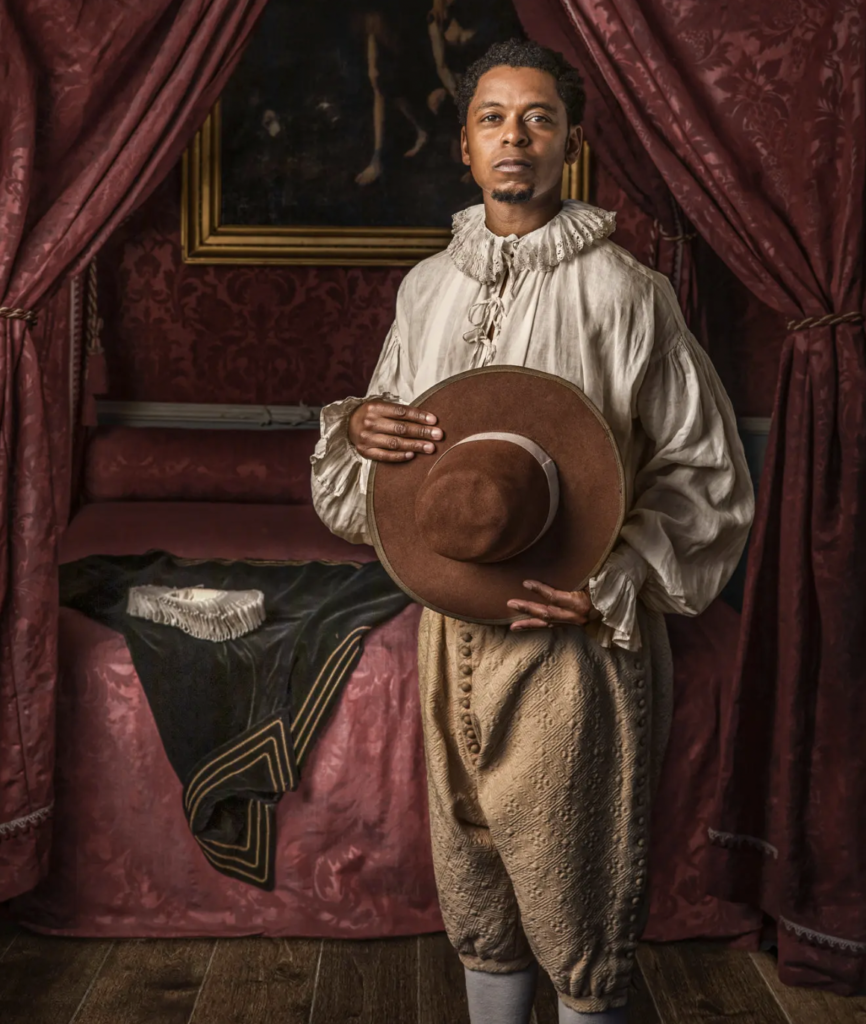
Yet, daily injustices rarely make the headlines or statistics, as these are experiences that I have to face or hear about from friends: biased algorithmic decisions, judging someone depending on their skin colour, politely showing disapproval after answering the painful question “Where do you come from?” Another one is how Keti Koti lacks wide acknowledgement in public life, while Vereenigde Oostindische Compagnie (VOC) uniforms still make proud appearances in people’s homes, symbolising colonial nostalgia. The recent scandal of the Amsterdam gym Saint and Stars, where journalist Tahrim Ramdjan shed light on the harsh labour conditions of the Filipino and Indonesian cleaners, exposed the colonial hierarchies still present in labour. Meanwhile, data from Eurostat shows that foreign-born people living in the Netherlands tend to feel more discriminated against than foreigners in other European countries. Amnesty International’s report on automated and mass surveillance in predictive policing in the Netherlands is perpetuated by ethnic and racial profiling. These are not isolated examples, but a living residue of the Dutch colonial past.
And yet, there is something worth noting, given the current shift in dealing with the colonial past. It is the sustained reopening of the archive and inviting a chorus of voices that have not yet been heard or have not had a place in history. Museums and cultural institutions are trying to ask the hard questions and hear critical voices that are helping to understand what needs to be changed. They have an influential power over the public understanding and amplification of important discussions. That is why the exhibition at Eye reminds us that there is no singular voice and one perspective, as there is space to hear multiple voices and question who exactly is “we.”
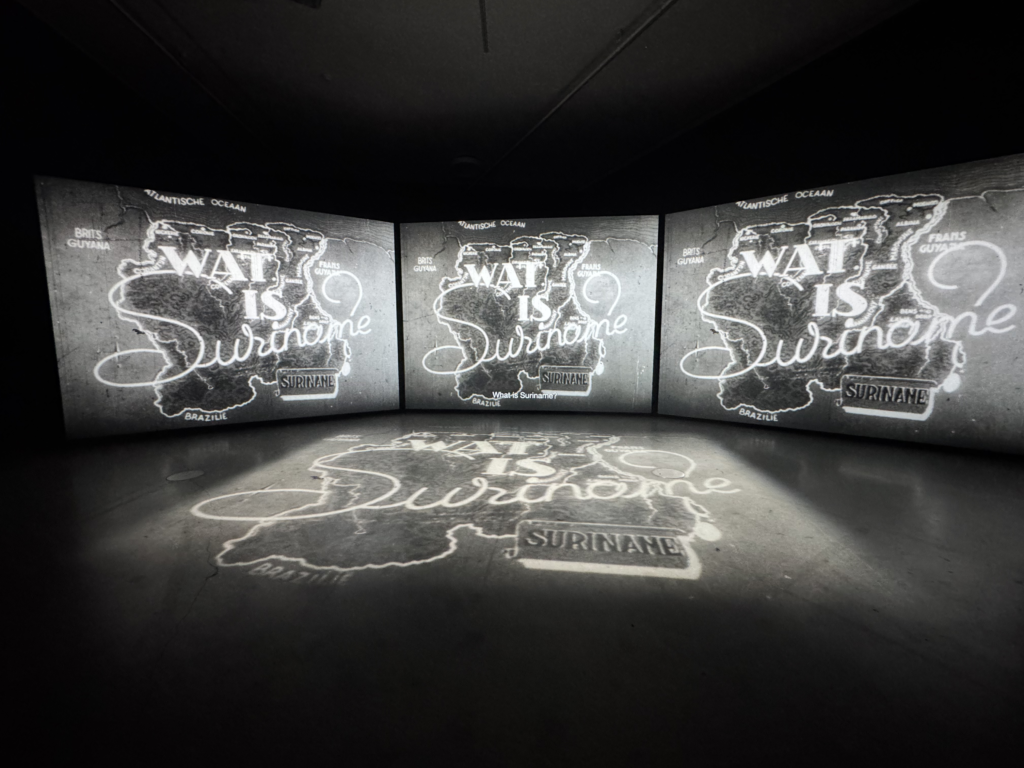
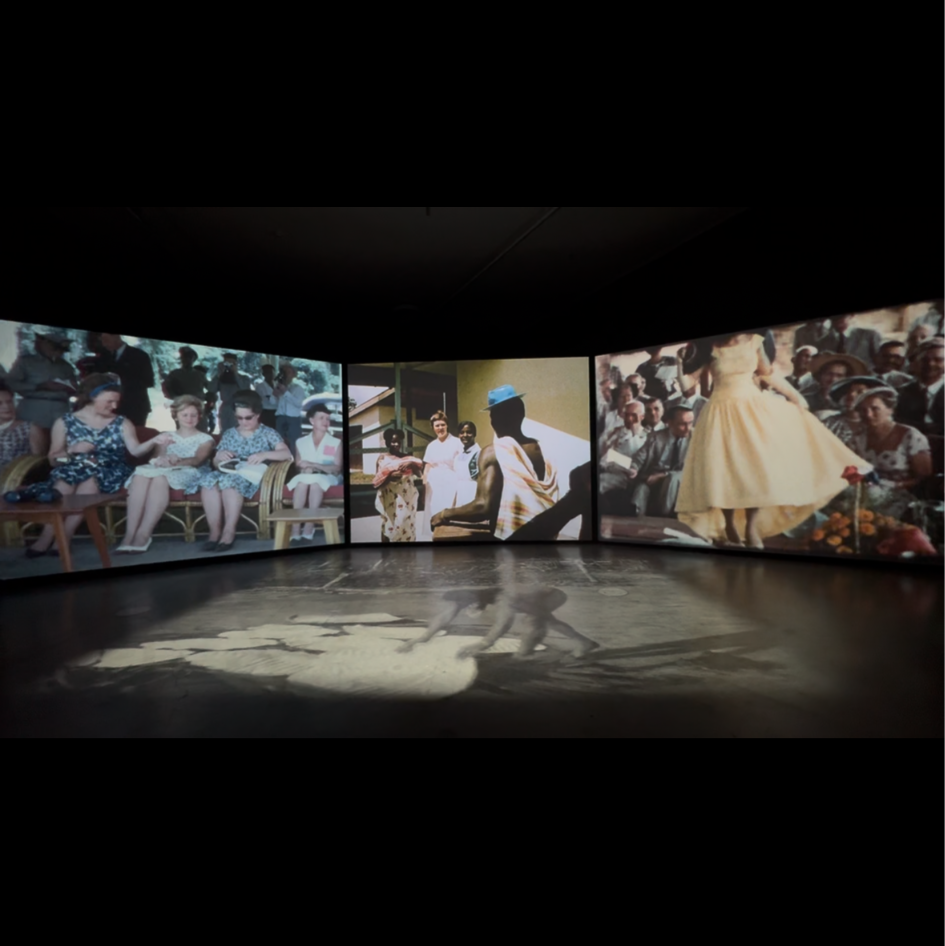
I really admired Esther Figueroa’s Wat is Suriname, which was a four-channel installation that wove together “adventurous” colonial movies about Suriname that are housed in the archive of the Eye. The inclusion of the dramatic song by Andrea Bocelli & Sarah Brightman “Time To Say Goodbye” as a background was an ingenious and great ironic nuance, while watching the contrasting images between colonised and coloniser.
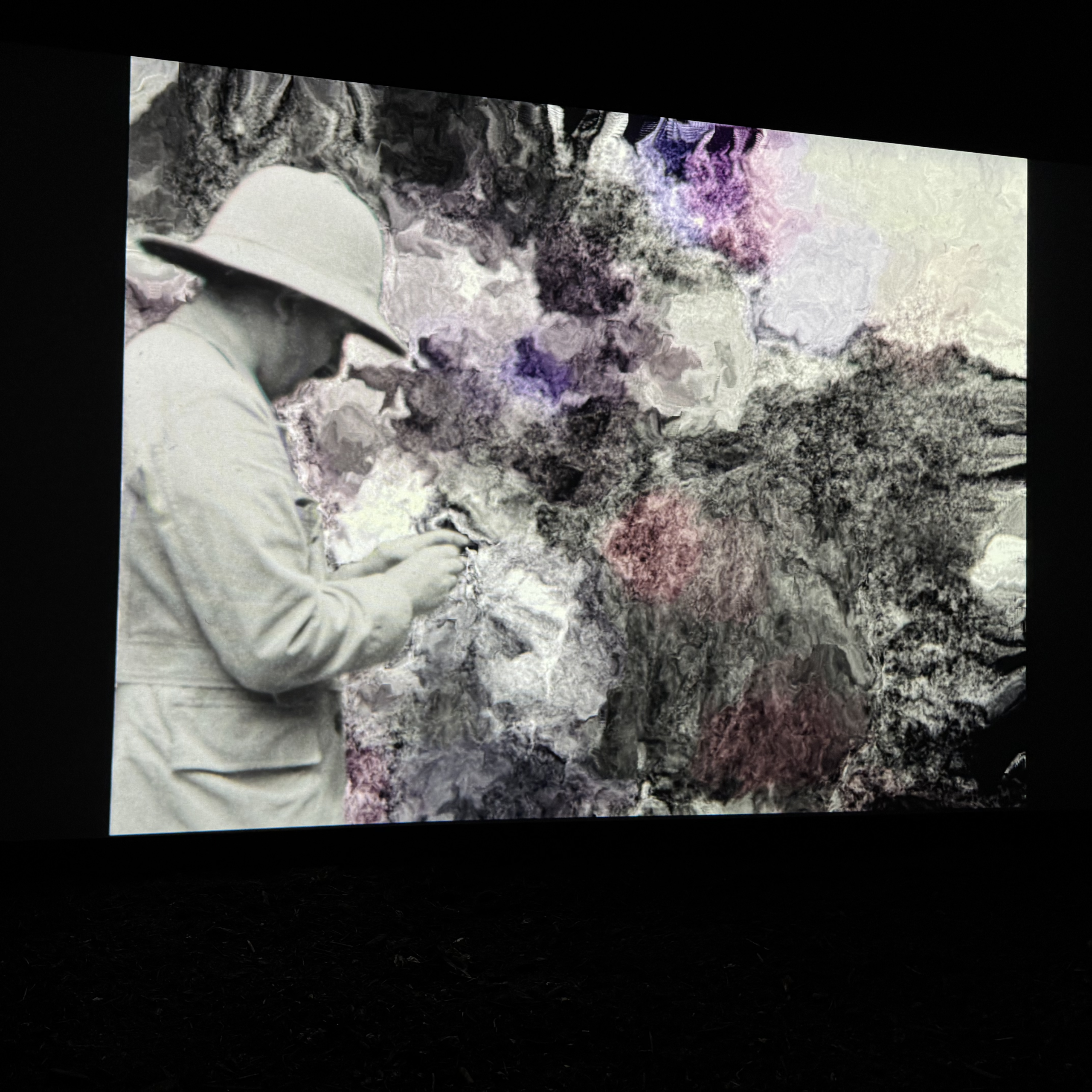
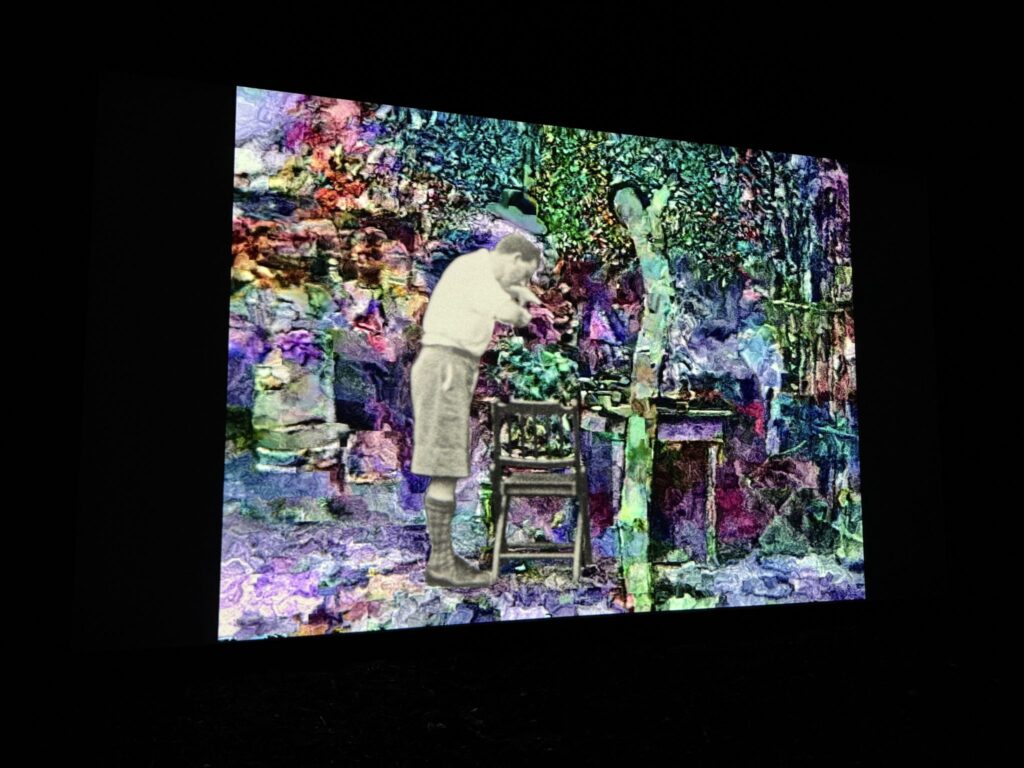
Paula Albuquerque’s film installation Becoming Opaque was striking as Paula used A.I. to deliberately obscure the subjects to protect their privacy, as they were filmed without their permission.
All in all, exhibitions like Eye(s) Open are important in the progress of the long-term engagement with the Dutch colonial history. Having an open and self-critical attitude is essential for discussing how to deal with the traumas of the colonial past and slavery in the future. There is hope that the deep-rooted hands of colonialism can let go and let different hands pass on the story.
You can browse through Eye’s archive and watch some movies for free, like Tessa Leuwsha’s “Mother Suriname – Mama Sranan.” You can access the archive here.