With the rapid expansion of A.I., deepfakes, and increasing censorship in Meta, the digital landscape of truth and reality is becoming even more blurred and contested. The recent report from Reporters without Borders shows that press freedom remains at a record low point, with half of the world’s countries in (very) difficult situations. The widespread erosion of press freedom is tied to the misuse of national security laws that criminalise journalists. Despite this alarming report, the Netherlands ranks second in press freedom out of 180 countries, and it’s no coincidence that World Press Photo’s headquarters are right here, in Amsterdam. Founded in 1955, World Press Photo is one of the most important independent organisations that champions the power of photojournalism and documents the history of humanity. Started as a platform for Netherlands-based journalists to receive international attention, World Press Photo has become one of the most well-known and prestigious organisations for photojournalism today.
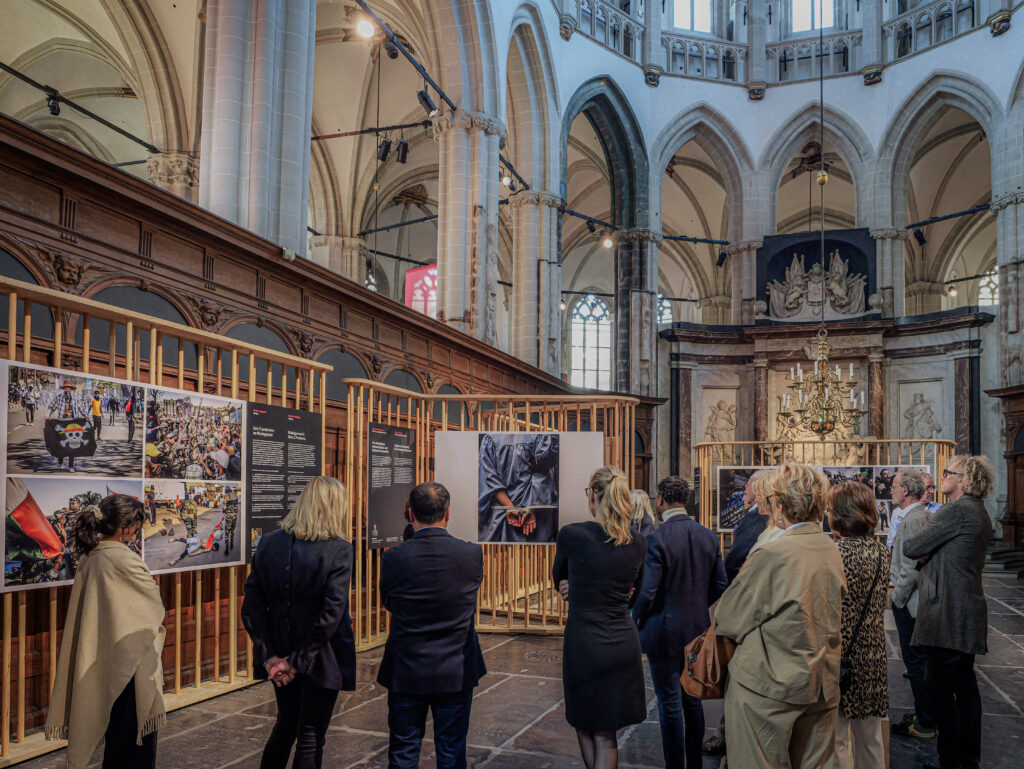
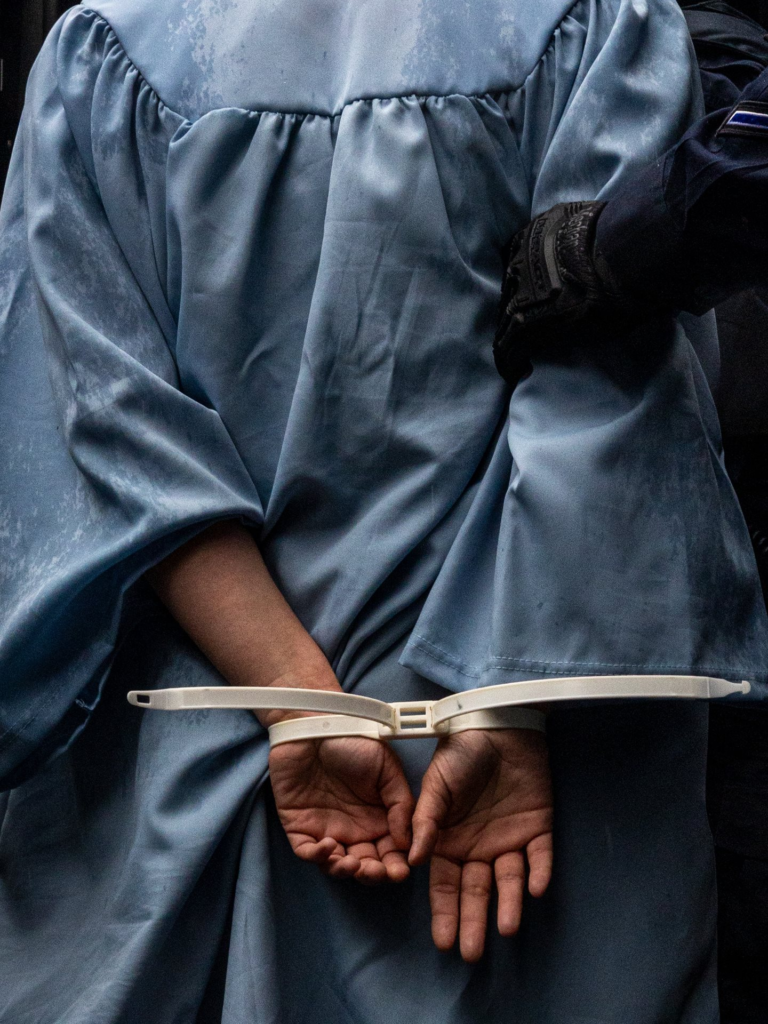
The annual exhibition The Stories that Matter at De Nieuwe Kerk opened to the public on April 24th, and highlights the important theme of trust and transparency in photojournalism. This year’s winner of the Photo of the Year competition is “Separated by ICE” by Carol Guzy, which captures a moment when the state separates a family in the United States.
To get an insider look into the organisation, I got the chance to talk to the executive director, Joumana El Zein Khoury, and ask her some questions during the opening ceremony.


Aida Pachedji: With the rise of A.I. and the global insecurity on what is authentic and what is not, could you explain how you detect and analyse if a photo has been subject to AI-enhancement or forgery?
Joumana El Zein Khoury: There is a team of forensic experts who check all of the images. The way we do it is by asking for a “RAW File” before the photographer edits anything out of it. The forensic team compares that file to the image we have here and checks whether anything has been manipulated, removed, or added. If it has, then it is out of the contest. We also check for toning, however, there are some accepted levels of toning, altering the colour of a photo. If there is too much toning, then the emotional relationship with the image changes. However, we do not know how fast and if A.I. will be able to create its own RAW files, as it will become more and more difficult to understand that. Photographers are the most important factor, and having a real human connection to the image.
Aida: What is the role of World Press Photo at a time when social media is increasingly displacing traditional news outlets, and people are becoming desensitised to the violent images they see online?
Joumana: People are getting more numb, the concept is called “compassion fatigue.” Today, the press and photography are not only competing with A.I., but with attention. Photographers are trying to respond through sensational images that speak on an emotional level and bring out the more personal. I think what I see a lot is that we bring stories that people do not know about, by voices they do not hear in intimate spaces that people can relate to.
Aida: How do you and your whole team cope emotionally with the heavy nature of the images that you see when selecting “Photo of the Year”?
Joumana: It is very difficult, it takes me three or four months to recover. Our team is very international, and a lot of people come from countries where the submitted images come from. I am Lebanese, for example, and we feel very close to that. Seeing these images is responsible, and it creates a drive to work harder, as seeing what these photographers go through. It brings motivation and a need to do this job.
Aida: I saw that you started an initiative in 2024 for photojournalists. Can you tell me more?
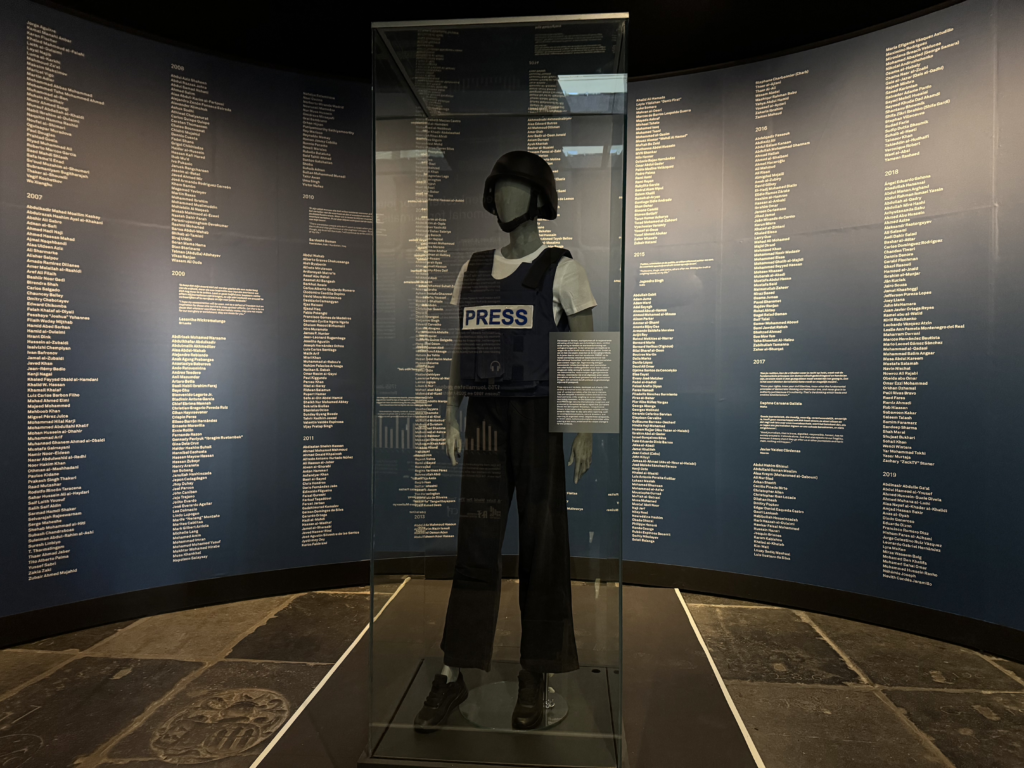
Joumana: We created security training for photographers to know how to deal with difficult circumstances. It is not only first aid, but also how to negotiate, what to do when you are in a demonstration and how to protect yourself. A lot of photojournalists and photographers today are not staff photographers, so they do not have media to support them and give them training.
This year’s winners’ photo serves as evidence for the shift that happened in the United States: Immigration courts turned into sites where masked agents in balaclavas wait outside hearings to detain undocumented migrants, no matter if a judge has granted a stay or legal continuance. The photo documents the heartless machinery of Trump’s administration’s mass deportation project with lethal consequences. The cold mechanism of deporting and dehumanising people is perhaps best revealed by the record number of children being detained, and even breastfeeding mothers being separated from their babies.
World Press Photo is a living archive of humanity and it has a vital role for supporting the courage of photographers and photojournalists. Each year there are new jury members that select from over 57,376 photographs as according to Joumana, each jury brings their own voice and perspective to the table.
Photography credits to: Csenge Nagy-György