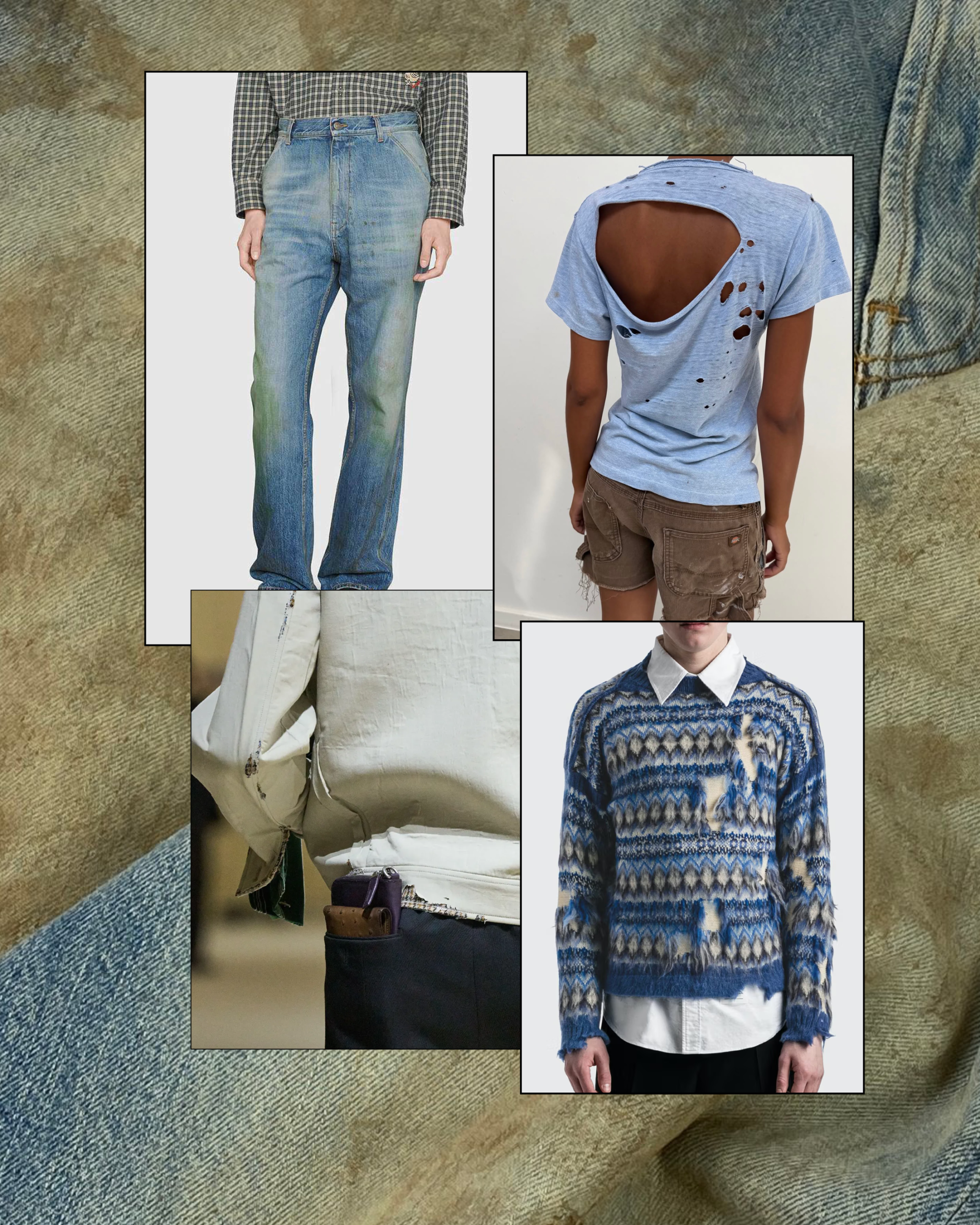
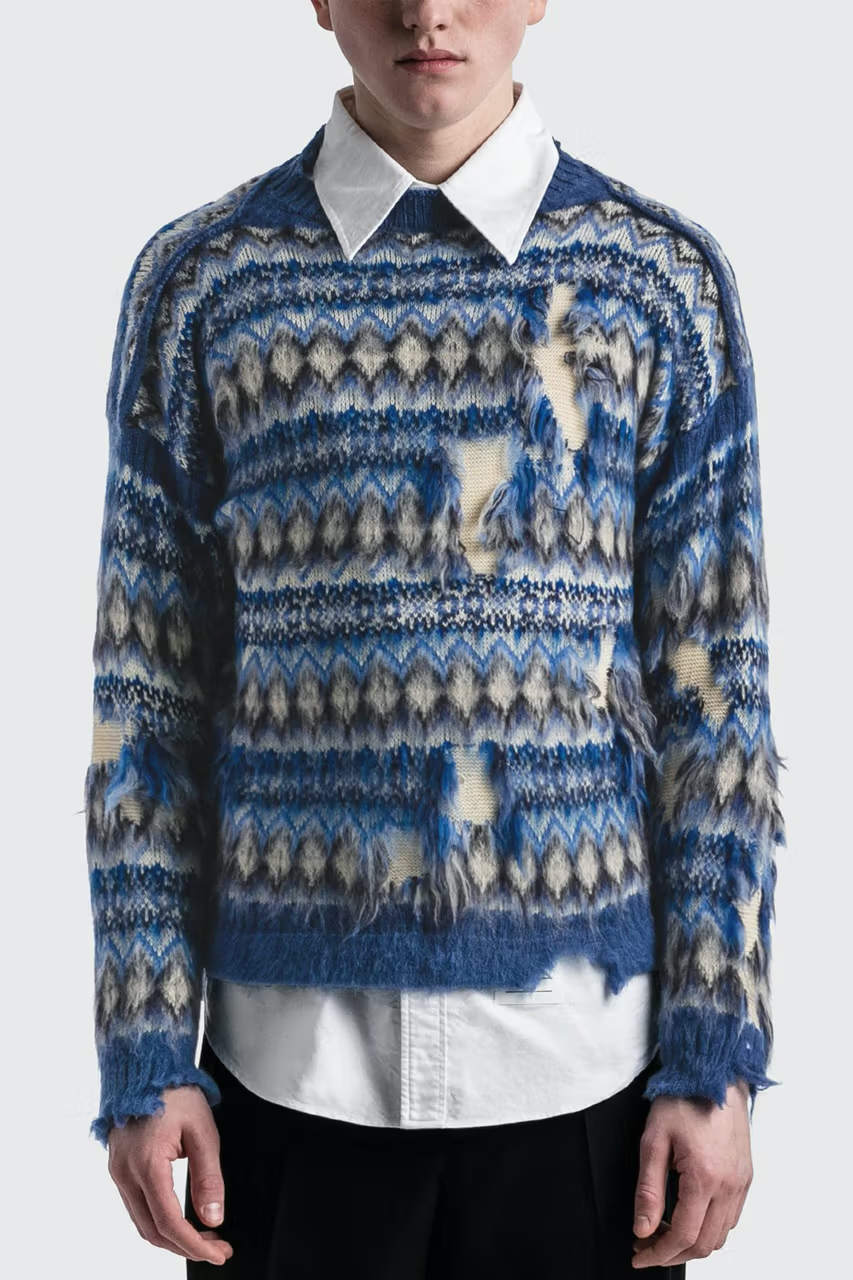
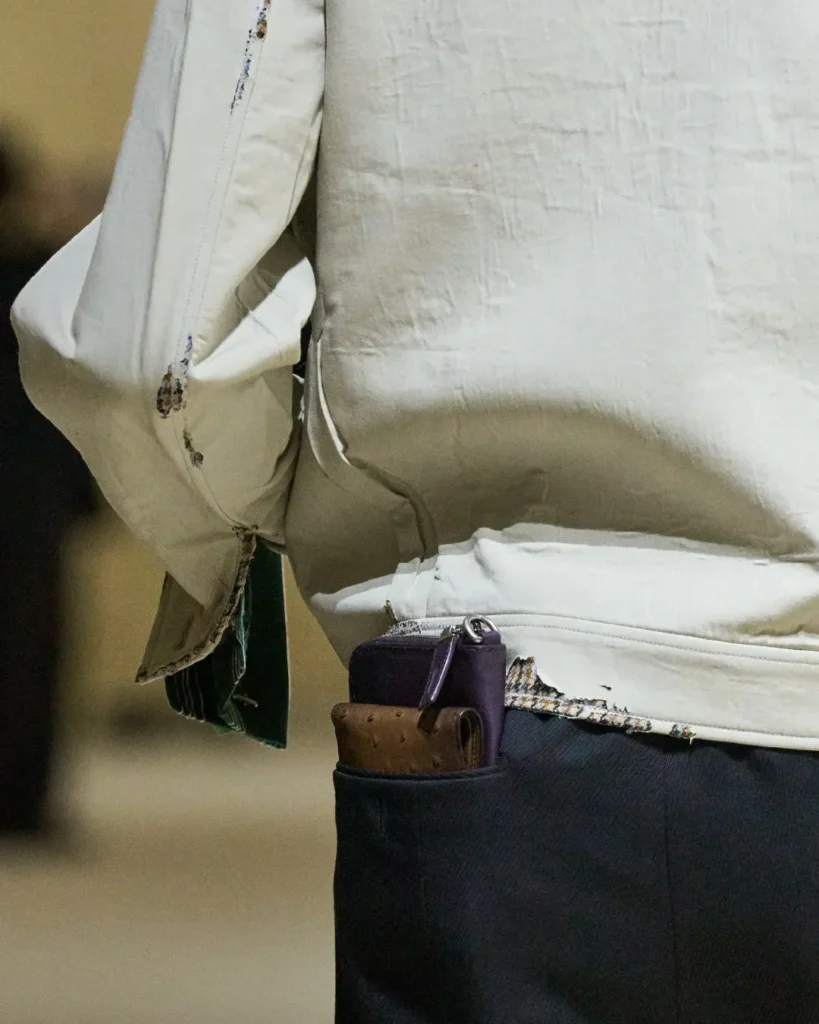
Walk into almost any luxury store today and you’ll struggle to find clothes that actually look new. Acne Studios sells jeans stained as though they’ve survived years of wear. Prada has shown trousers faded by an artificial sun, complete with dirtied hems and cuffs. Leather jackets are softened before anyone has worn them. Fabrics are peeled, washed, cracked and distressed until they resemble something found in the back of a forgotten wardrobe rather than something fresh off a production line. Meanwhile, vintage shops have never been more expensive. While wandering through vintage stores in Tokyo, I remember coming across pairs of Levi’s priced well over €1,000. What was once simply evidence of time had become the very thing people were paying for.
The irony isn’t that fashion likes old clothes. It always has. What fascinates me is the way luxury has become increasingly obsessed with recreating the visual language of scarcity. Clothes that look repaired. Clothes that look inherited. Clothes that appear to have lived through decades of work, weather and wear. We spend extraordinary amounts of money trying to recreate what previous generations acquired simply by living in their clothes. It made me wonder whether fashion has always been strangely fascinated by the aesthetics of having less.
Poverty has never been aspirational. But its aesthetics have long been another story entirely.
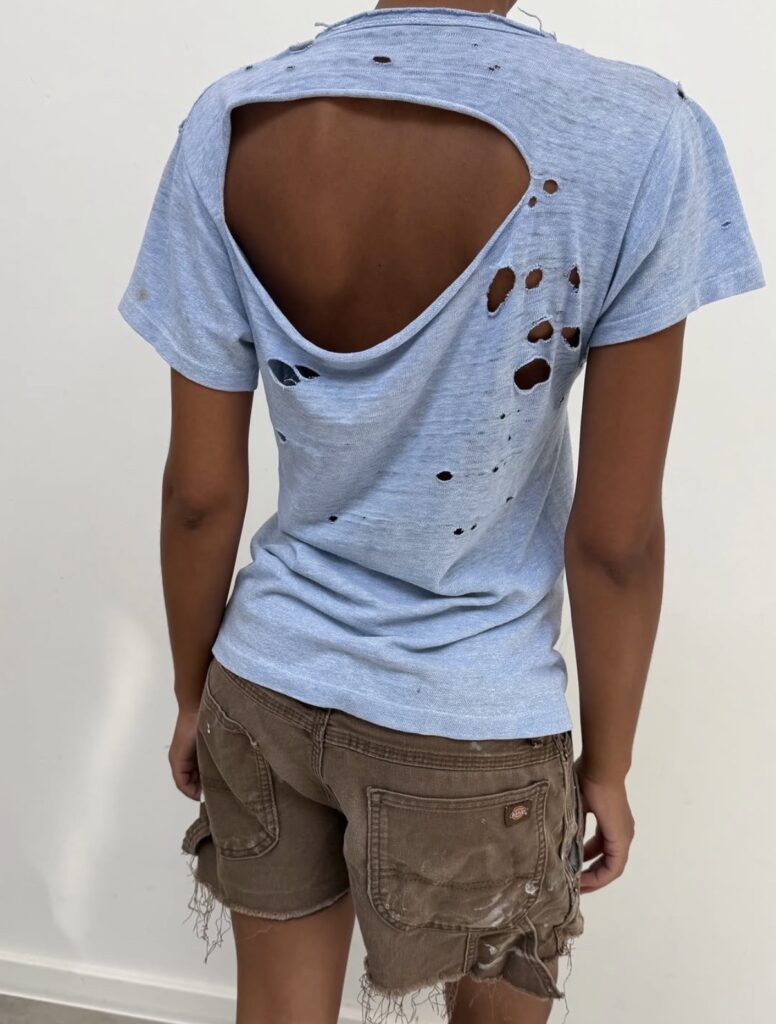
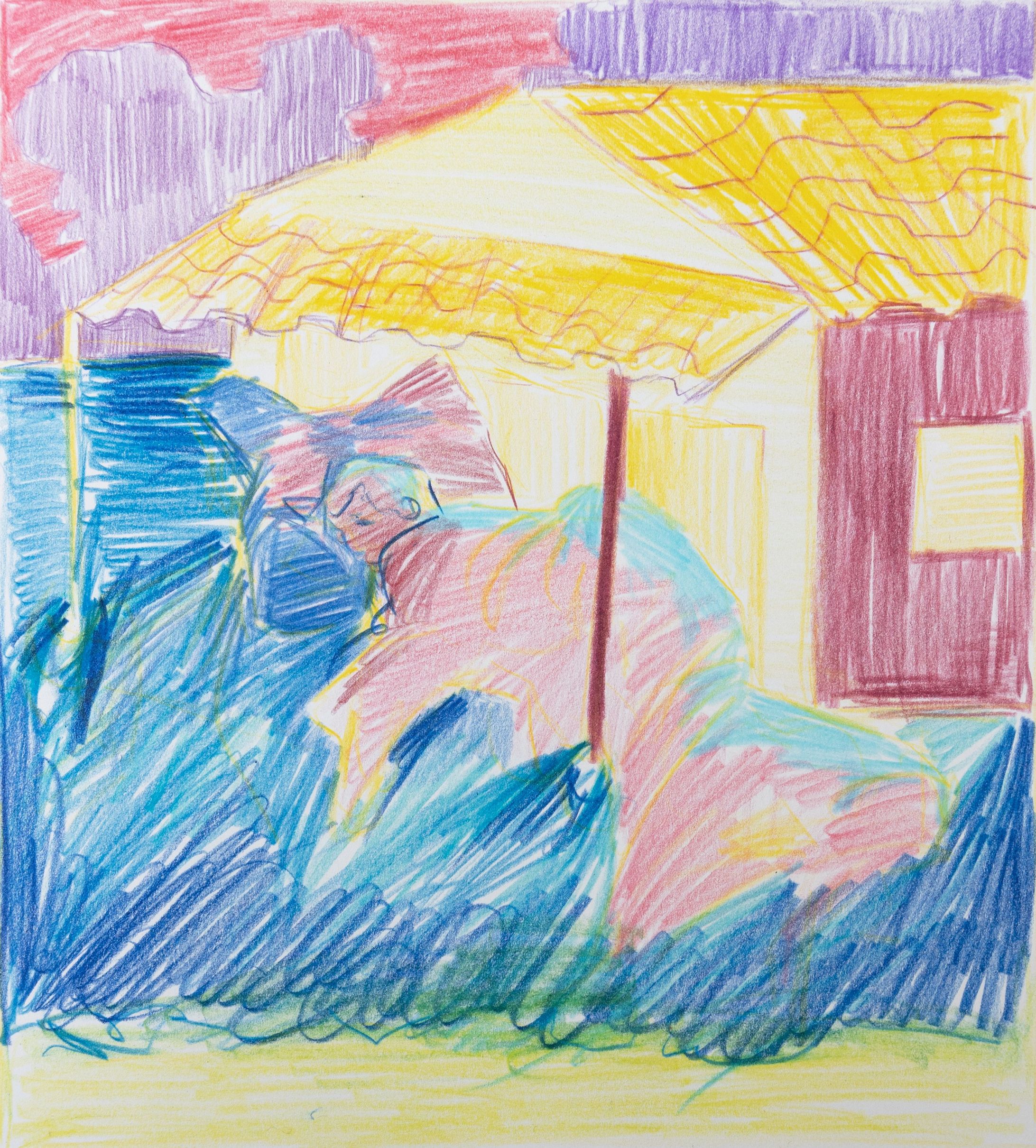
Today it’s hanging in one of Amsterdam’s most expensive vintage stores.
The clothes we admire most often look as though they’ve lived. We celebrate creases, fading and signs of wear because they suggest history. They imply that a garment has been loved rather than consumed. A perfectly pristine leather jacket can feel sterile. The same jacket, softened by years of use, somehow feels more human. This isn’t a new phenomenon either. Some of fashion’s most influential designers built entire philosophies around the beauty of imperfection, while garments once worn out of necessity have gradually become symbols of taste. Workwear became luxury. Military surplus became luxury. Distressed denim became luxury. Signs of wear that once reflected circumstance are now carefully engineered inside Italian factories before a garment ever reaches the shop floor.
History has become one of the few luxuries money can’t genuinely buy. A perfectly worn leather jacket carries something that even the most skilled craftsman struggles to imitate: time. Every crease, every faded seam and every softened sleeve tells a story. Luxury has become remarkably good at recreating those stories, but that’s all they are: recreations. However convincing the distressing, however carefully the leather is softened, a factory can imitate the appearance of time, but it can never recreate the life that produced it.
That’s what makes this particular economic moment so interesting. For the first time in a long time, the gap between fashion’s fantasy and reality seems to be narrowing.
It doesn’t even feel malicious. If anything, it feels like longing. A pull towards something slower, more grounded and more real. Towards clothes that feel as though they’ve been lived in rather than endlessly replaced. But even longing seems to have its own patterns. There is a particular kind of scarcity we only seem to romanticise when it’s safe to do so. We reject comfort as a personality, celebrate restraint as sophistication and find beauty in signs of hardship, all while knowing there’salways an exit whenever we want one.
History suggests we’ve seen this before. Every time conversations around recession begin to surface, restraint quietly becomes aspirational again. Suddenly we’re encouraged to buy fewer, better things. To build wardrobes around investment pieces. To repair instead of replace. To appreciate clothes that already carry the marks of time. It almost feels as though fashion rediscovers longevity every time the economy forgets abundance.
Yet it often follows the same pattern. Fashion takes something born out of necessity, strips it of its original context, refines it until it becomes aesthetically desirable and sells it back at a price that places it out of reach of the very people who inspired it. The same worn jacket that feels desirable in a luxury campaign tells
A very different story when it’s worn because it simply can’t be replaced. The same faded jeans that command hundreds of euros in a boutique are rarely read the same way when they’re simply the only pair someone owns.
Maybe that’s what privilege looks like today. Not excess or obvious displays of wealth, but the freedom to borrow the aesthetics of hardship without ever having to experience it.
The freedom to step into struggle, then step back out again whenever you choose. It’s what makes the idea of the recession aesthetic so difficult to untangle. For some, restraint is a choice. For others, it’s a condition. Fashion has always blurred that distinction, turning necessity into aspiration before asking us to admire it from a distance.
Every recession seems to leave behind the same wardrobe. Economic downturns rarely produce louder fashion. If anything, they tend to do the opposite. They reward restraint over spectacle, permanence over novelty. After the financial crisis of 2008, Phoebe Philo’s Céline became the uniform of a generation searching for reassurance rather than excess. When she presented her first collection in 2009, she wasn’t offering escapism. She was offering permanence. Camel coats, oversized white shirts, perfectly cut trousers and beautifully constructed leather bags weren’t designed to shout. They were designed to stay. Luxury wasn’t disappearing. It was simply becoming quieter. Looking expensive was no longer the point. Looking considered was. In hindsight, it almost feels as though Phoebe Philo wasn’t responding to a recession. She was responding to a shift in what people valued.
Looking around today, the parallels are difficult to ignore. Once again, fashion seems to be retreating from spectacle. Capsule wardrobes, quiet luxury, investment pieces and outfit repeating have all become part of the industry’s everyday language. Even Vivienne Westwood’s long-standing advice to “buy less, choose well, make it last” feels more relevant than ever. What once sounded like a philosophy increasingly feels like a reflection of the economic mood.
At first glance, it’s difficult to disagree. Buying fewer, better-made garments is undoubtedly preferable to endlessly cycling through disposable trends. But the more I thought about it, the more I started wondering whether buy less, buy better has also become one of fashion’s most effective marketing campaigns. Because “buy less” almost always comes with a condition.
Buy better.
And “better”, more often than not, still means more expensive.
I’m not convinced fashion has stopped encouraging consumption at all. If anything, it’s simply found a more sophisticated way of selling it. A €1,200 coat instead of six €200 coats. A designer bag framed as an heirloom rather than a purchase. The language shifts from consumption to investment, but the aspiration remains remarkably similar. Luxury hasn’t abandoned excess. It has simply learned how to package restraint.
What’s fascinating is that consumers often arrive at the same conclusion without being told to. A recession has a curious way of exposing the difference between what we want and what we actually need. Clothes simply stay in our wardrobes longer. We repair instead of replace. Shopping becomes less recreational and more intentional. We stop asking what we want next and start asking what deserves to stay.
That’s when personal style becomes most interesting.
The people whose style I admire most rarely own the most clothes. They wear the same jacket year after year. Their jeans are softened by time rather than factory treatments. Their knitwear carries the occasional repair instead of being quietly replaced. Their clothes feel less like products and more like companions. They don’t appear stylish because they’re constantly buying new things. They appear stylish because their wardrobes have slowly become an extension of who they are.
That’s why personal style flourishes under constraint. When choice becomes endless, taste can become surprisingly passive. We keep buying because there’s always something new to buy. Another trend. Another collaboration. Another “essential”. But when you’re forced to work with what you already own, your relationship with your wardrobe begins to change. It becomes less about acquisition and more about editing. Identity is built not through constant reinvention, but through repetition, through returning to the same garments until they begin to carry memories that no new purchase ever could.
That’s the one thing fashion can never manufacture, no matter how convincing the distressing, fading or artificial wear becomes.
Time.
Time is what makes clothes personal. It’s what gives garments history. It’s what transforms a jacket into your jacket.
It makes me wonder if fashion has been chasing the wrong thing all along.
For years, the industry has tried to manufacture the appearance of history while encouraging us to consume quickly enough that we never actually create any of our own. Maybe that’s what every recession quietly reminds us of. Not because fashion suddenly becomes more creative, but because we’re reminded that style has never really been built on abundance. It’s built on familiarity. On repetition. On clothes that survive long enough to become part of us.
That’s the real irony.
Fashion has spent decades trying to recreate the beauty of clothes that have been worn for years.
Only to discover that the only way to make them truly beautiful…
…is to wear them for years.