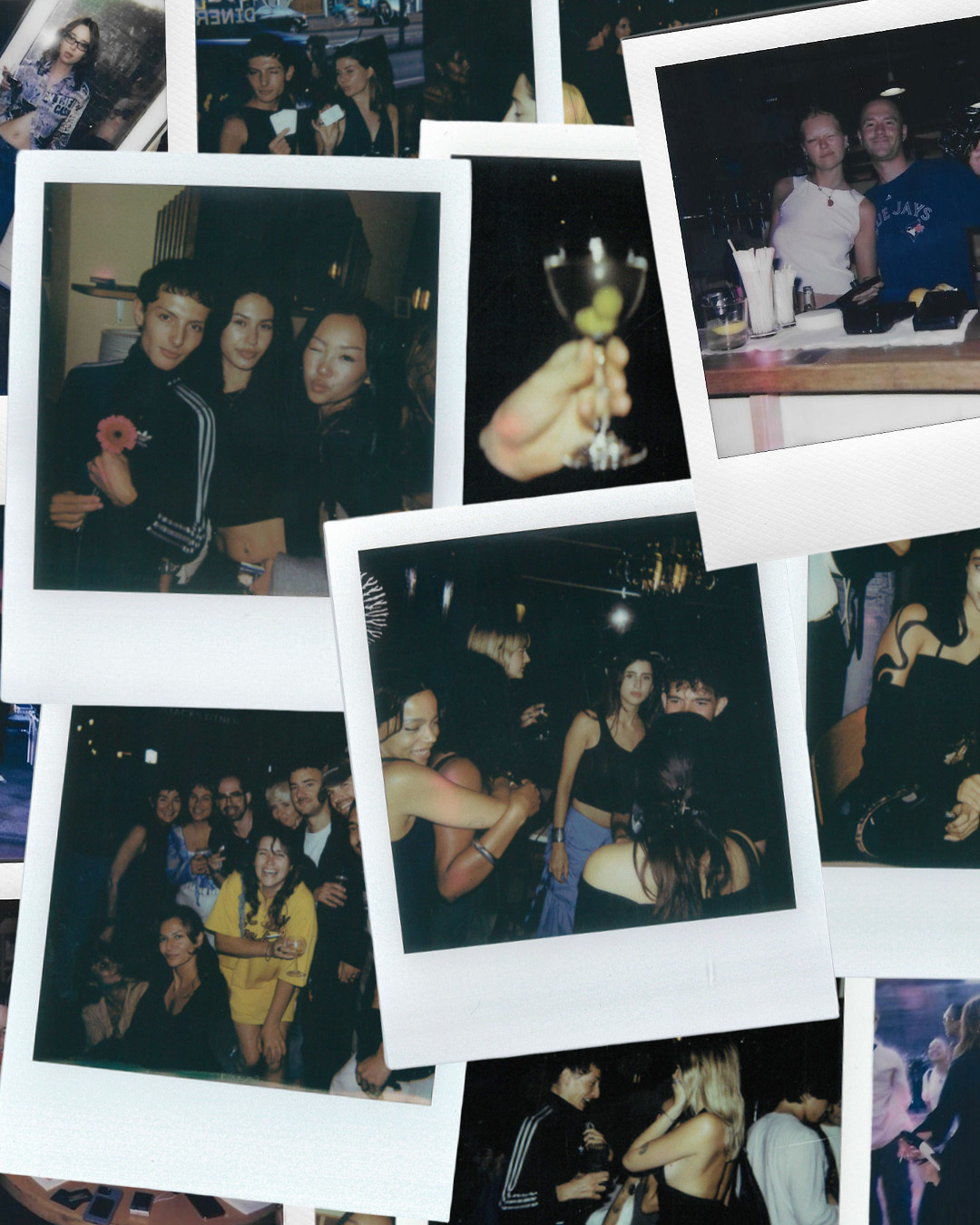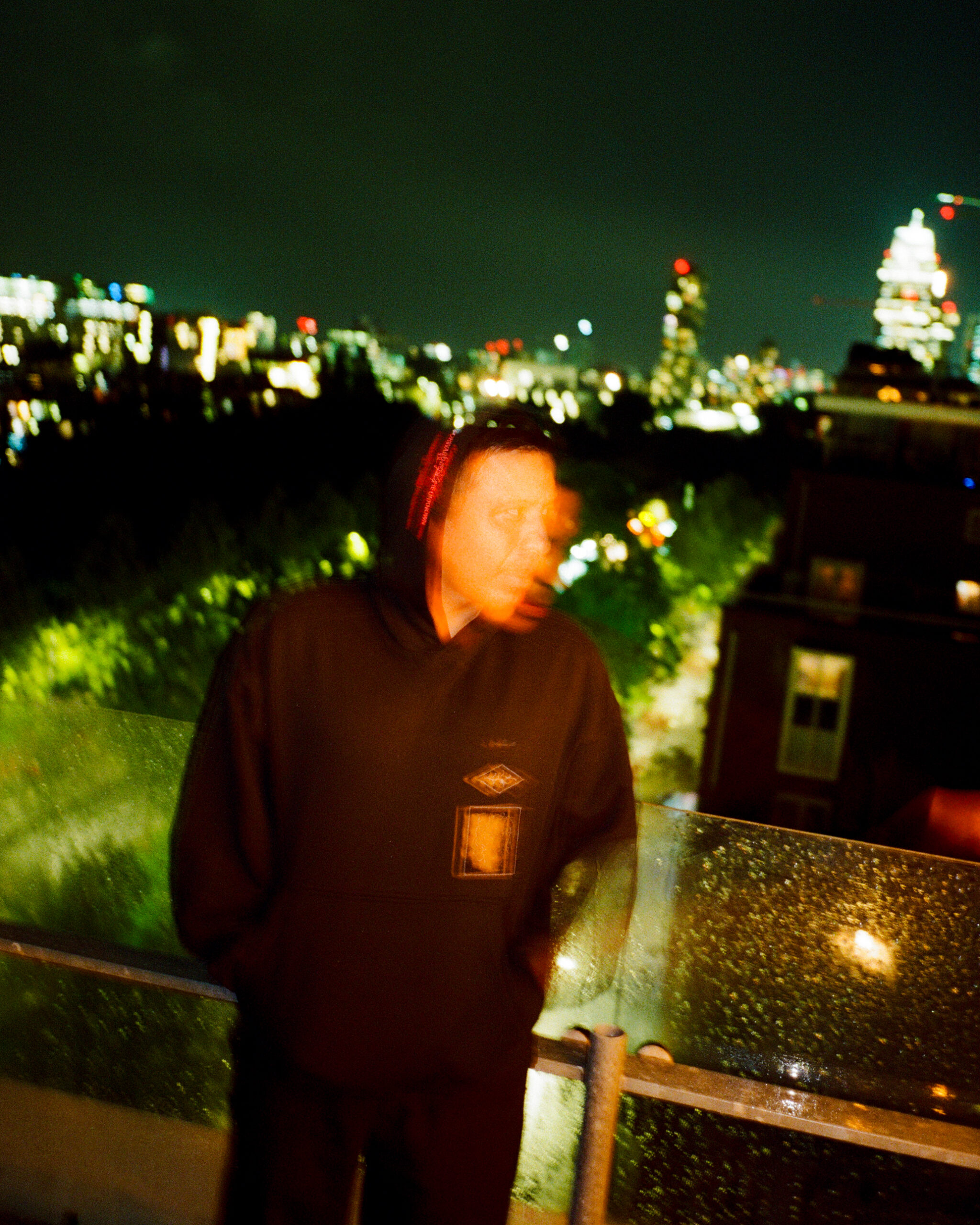
Among the immersive stage-design and forward-thinking production, all led by sophisticated, mature programming, Club to Club festival in Turin (29–31 October) was a taste-elevating experience, to say the least. This led me to write about what the festivals who are perfecting their craft for years, while staying true to their vision can teach us. Turning to the questions of music curation and how today’s world shapes its role, I talked to Elisa Luengo, one of this year’s mentors in C2C’s annual Curation Mentorship programme.
Stepping your foot into Turin’s Lingotto, a building complex formerly a FIAT car factory, feels like stepping into an infinite clubbing space. Although one would probably envision a festival as long-standing and as programme-rich as Club to Club (C2C) to have at least a few different stages, C2C has only two (at Lingotto, the main festival venue)—yet it felt perfectly right. This rather minimalist approach to the spatial organisation of the lineup was my point of departure when gathering impressions about the 25th(!) edition of C2C Festival.
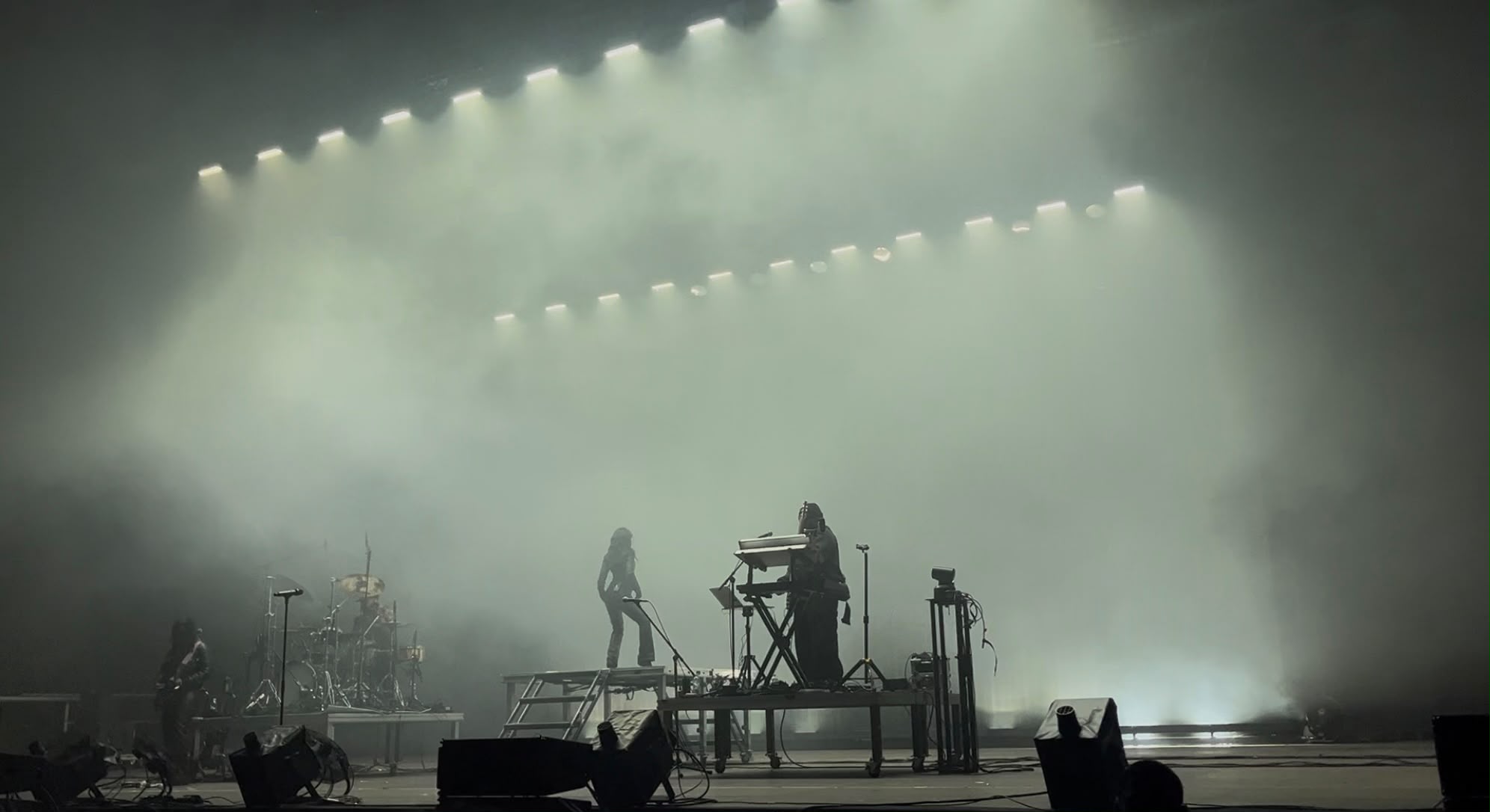
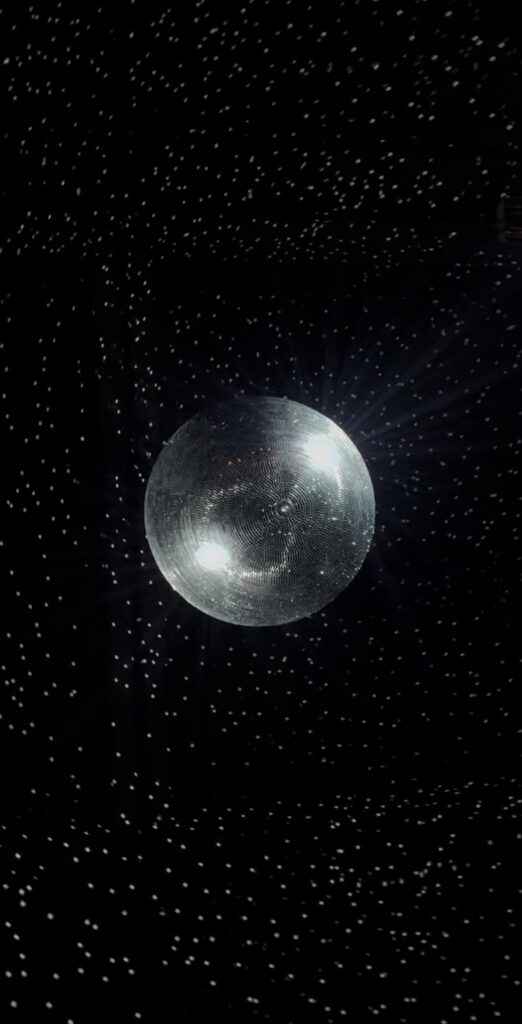
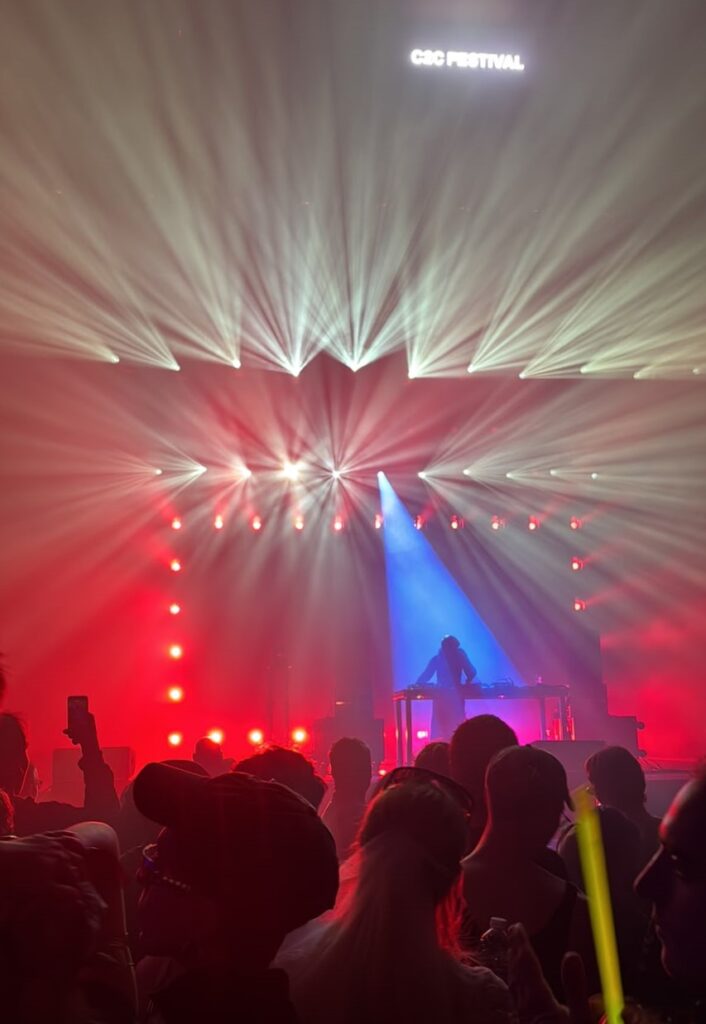
I was astonished how polished the vision of the festival was. It reminded me of the type of wisdom you can only notice on someone older who feels good in their age; they carry themselves with mature decisiveness and graceful simplicity: this is who I am and this is what I have to offer—no apologies, no bullshit either. C2C at Lingotto is organised in two stages bridged (for the first time) by a chill zone-meeting point-refill area that hypnotises a festivalgoer as it’s filled with huge blinding disco balls, allowing moments of pause and reflection. Each stage had its own narrative mediated by the stage design elements that would probably make the tech-geeks forget about the equally impressive music programme, and would have them turning heads upon the change of each act: moving screens at the main stage that streamed each live performance with different editing approach; 360-rotating light cages crowning the massive soundsystem that surrounded the Dazed (smaller) stage, etc. What’s interesting is that all of these well-coordinated technical elements seemed so effortlessly installed, which—of course—added to the maturity as the overall impression of this festival experience.
Don’t get it twisted though—when I say ‘polished’, in no way do I mean the festival’s mood, setup and lineup stayed within the framework of safe choices, catchy sounds, and aesthetics pertaining to clean digital moodboards. The vision to leave the space for experimentation, to give platform to cutting-edge artists and freedom to their ways of performing and to challenge the audience’s thoughts on what partying, dancing and listening to music represents to them—that vision is polished; because the festival does all of the above.
For its 22nd edition, Club to Club published a beautifully-designed publication titled We Call it Avant-Pop, reflecting on the festival’s philosophy and its evolution across the drastically changed musical landscape from the turn of the century until the 2020s. It is also dubbed as an ‘avant-pop manifesto’, speaking about this inherently counterdictating genre and musical style. Pop itself definitely leans closer to the ‘polished’ and approachable, no-overthinking sounds—it’s there to satisfy the masses (across generations and other demographic characteristics), hence to sell! Jazz Monroe, one of the contributors to the publication and the lecturer of experimental pop, says (in the publication) how avant-pop is there to mess up and challenge that polishness and predictable dynamics of pop. In his own words, the sound of avant-pop has ‘the power to make parents wonder why pop can’t just be pretty’.
It seems like C2C has been answering that question for a quarter of a century, which is a particularly challenging task for itself—not because this vanguard palette of sounds and artists is hard to find, but because to stay relevant as a festival, I believe one must constantly reinvent itself and stay curious. The approach to programming and music curation here might be the secret to C2C’s solid—and I dare say, increasing relevance on the (underground) festival scene.
Besides losing it together to the vivid soundscapes of Chuquimamani-Condori’s DJ set and discussing who we were excited to see next, Elisa Luengo and I also talked about what she does best—music curation. This year, she was invited to be a mentor in C2C’s curation mentorship programme—another proof of programming and its future being one of the festival’s absolute foundational elements.
Petra: What does music curation mean to you today, in times of algorithms, streaming and general editorial blur in music?
“Elisa: I think the more generic the world becomes, the more valuable a distinct point of view will be. Curation is not just about discovering music, but understanding the context and creating meaning around it. I guess that these days a personal vision can become a refuge for people seeking a more human experience. With all of its imperfections.
”
This ties in with the notion of freedom and openness to experimentation I previously mentioned to counter the ‘polished’ adjective. The emphasis on programming as something that encompasses the soulful and imperfect but so distinct as one of C2C’s main ways to stay relevant.
When I saw their Curation Mentorship programme—‘a professional development programme aimed at a new generation of music curators’ developed together with TMLAB (Transnational Music Lab, an EU-funded project), I realised I never saw a festival offering educational programmes aimed at this aspect of festival craft. Elisa explains that the case is such because music curation has historically been quite a gatekept practice. A lot of knowledge is passed on informally, through personal networks and—unlike other curatorial disciplines (e.g. visual arts), music programming hasn’t been particularly professionalised yet. As someone who entered the festival industry not so long ago, I find initiatives like these quite welcoming and also hopeful—there might be some doors that are a bit easier to open than the others. As if she could read my thoughts, Elisa continues, stating the importance of initiatives like these lies in demystification of the curatorial role. The other reason is also because passing the torch is essential: give access to the tools and opportunities that have traditionally been kept behind closed doors.
I really felt I approached this C2C like a true festival newbie: hyped about the stellar lineup and dancing with friends (and strangers). But I also wanted to hear what were her biggest impressions of the 25th Club to Club—as a visitor with sharper critical perspective:
Elisa: In my opinion, leftfield pop has been home to some of the most exciting artists of the past few years and C2C somehow managed to bring so many of them together on the same line up. Being able to see Fine, Arca, Marina Herlop, Oklou and underscores, together with someone like Robyn—all in one weekend is honestly what avant-pop dreams are made of if you like that corner of music.
I agree, and would add my personal favourite (as a die-hard rnb head since day one): Kelela.
Nevertheless, with the unpredictable whirlpool of changes we are witnessing in the global cultural landscape, I am convinced programming an event has become an even more challenging (but also significant) craft.
Petra: What do you see as the biggest challenge the music curation for alternative/underground music events is faced with?
E: I feel there’s a growing generational disconnect, particularly within electronic music. A lot of the institutions and festivals that once represented youth culture have grown older alongside their audiences, while younger generations are developing their own scenes and cultural references elsewhere. Its subcultural allure is fading away.
“I wonder how you preserve a cultural legacy without becoming nostalgic about it.
”
Jazz Monroe says that pop ‘draws the present out of the past’, while ‘avant-pop sees the future in the past’. Maybe this is why C2C stays on the avant-pop way, reinventing how we see past and future. And if you’re still wondering why festival season is, in fact, not over as soon as the first leaves start falling in the Northern hemisphere—I recommend you to pay a visit to Turin next fall.