PHOTOS BY BLANCHE VAN DOORN
On a crisp Saturday in October, I did something most Amsterdammers rarely do: I hopped on an NS train and left the city behind, heading south to Rotterdam. The mission? Broaden my horizons and see what other Dutch creative scenes have to offer. The timing was perfect. During Dutch Sustainable Fashion Week, La Cassette and Halte Charlois were gearing up for their biggest production of the year: a “gutter couture” fashion show. Nada van Dalen, Halte Charlois, Blanka Ali , LORI, HC.F, Joris Teunissen, ABERRANT, Fem the Gem and Kika Spaapen were set to present their sustainable collections against the iconic backdrop of the Quaker Fabriek, soundtracked by 1.06 Library and Dj Chuckie. It looked like the ideal moment to get a slice of that Roffa energy. And I got served, big time. That is, once I’d recovered from the shock of the giant butt plug (The iconic Paul McCarthy Santa Claus), which is, in fact, one of the first things you see as you step into the city.
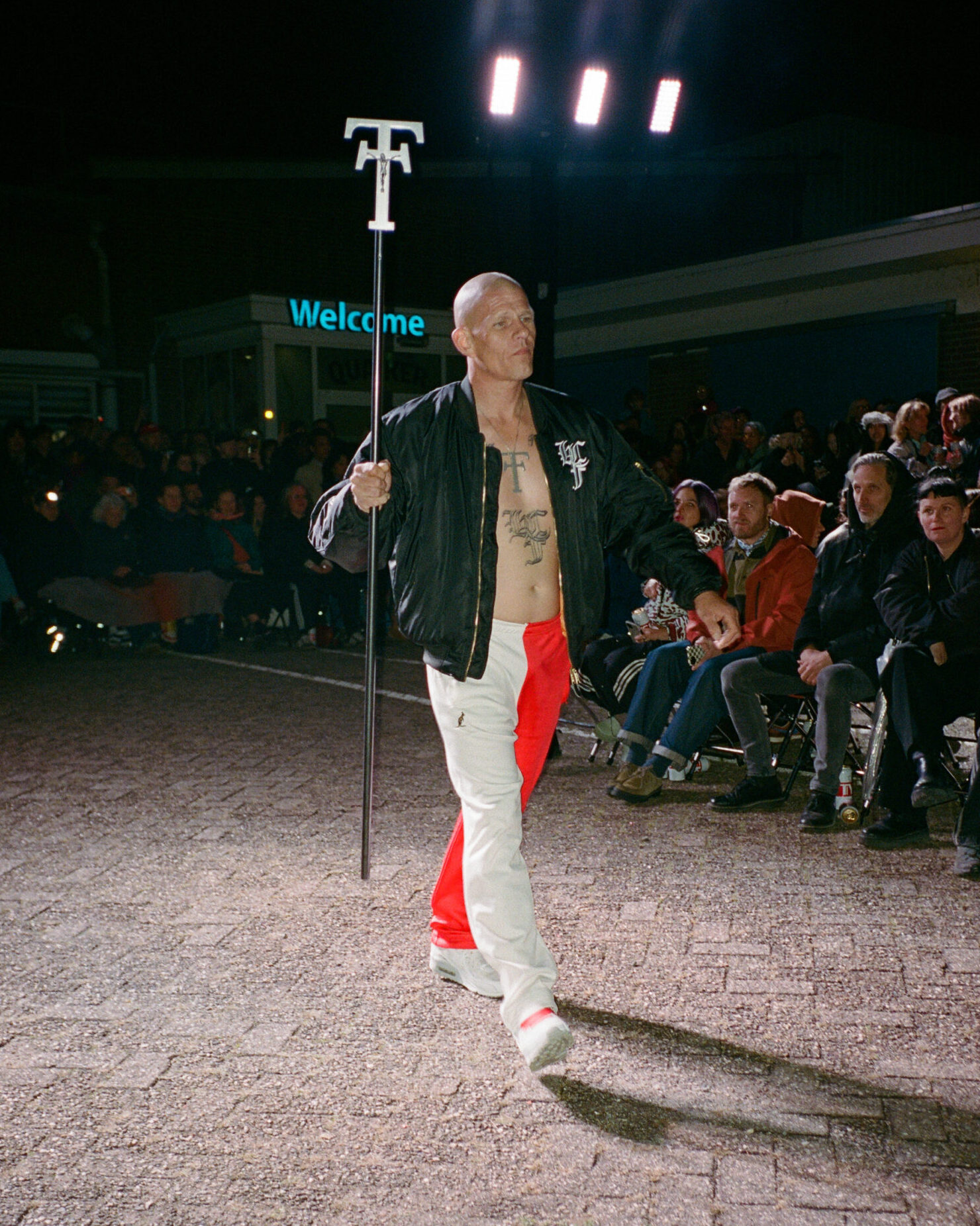
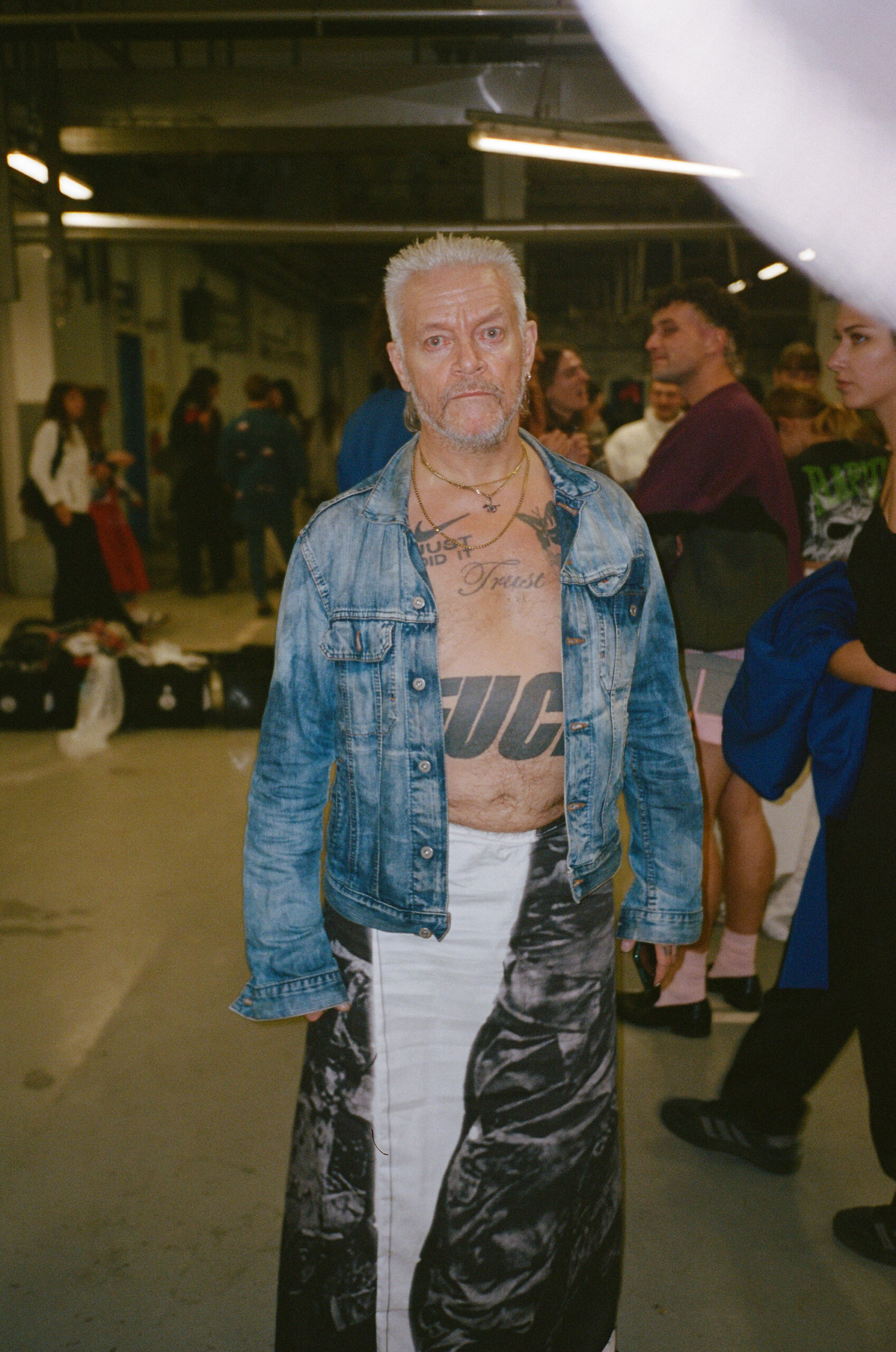
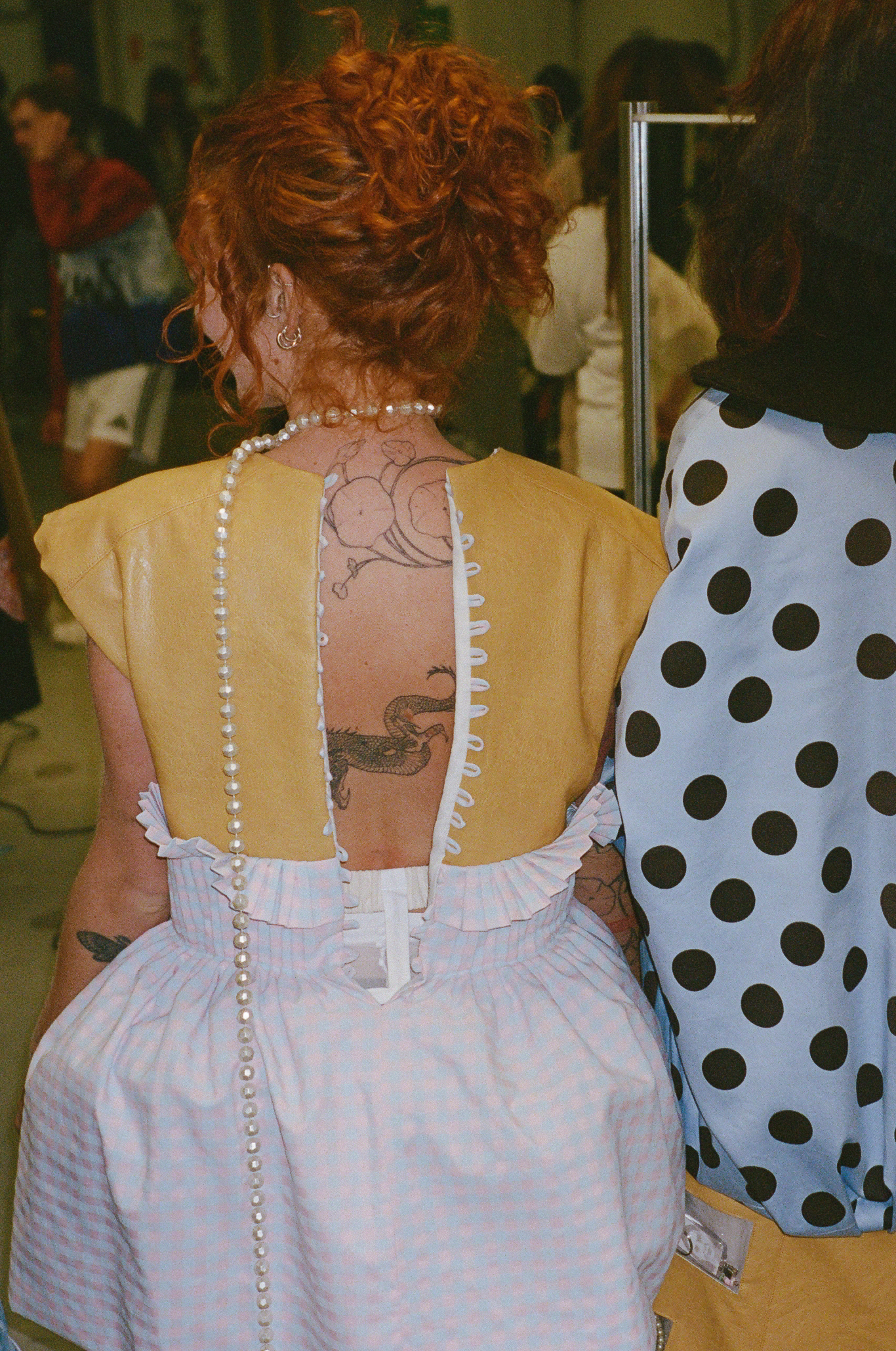
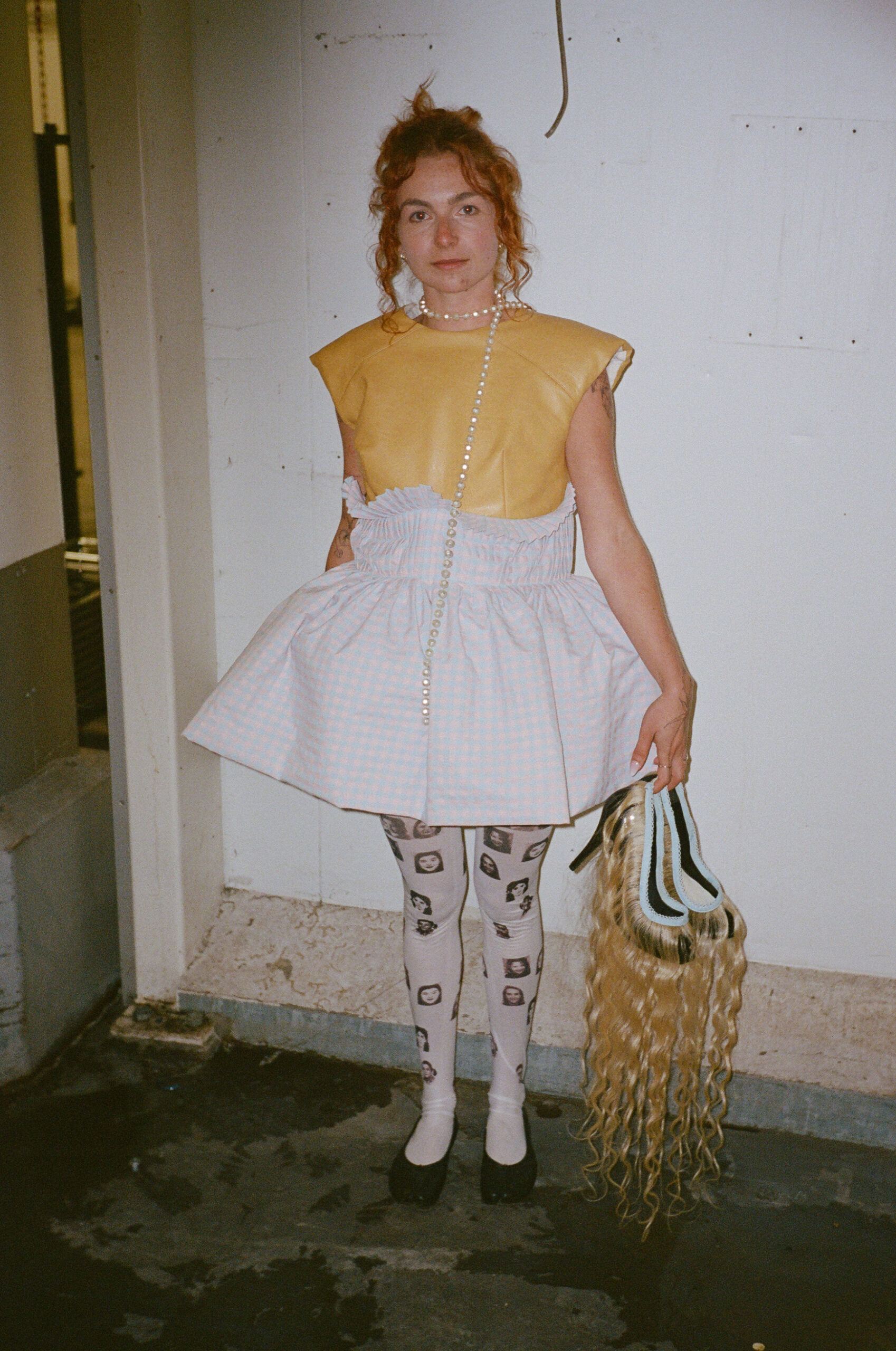
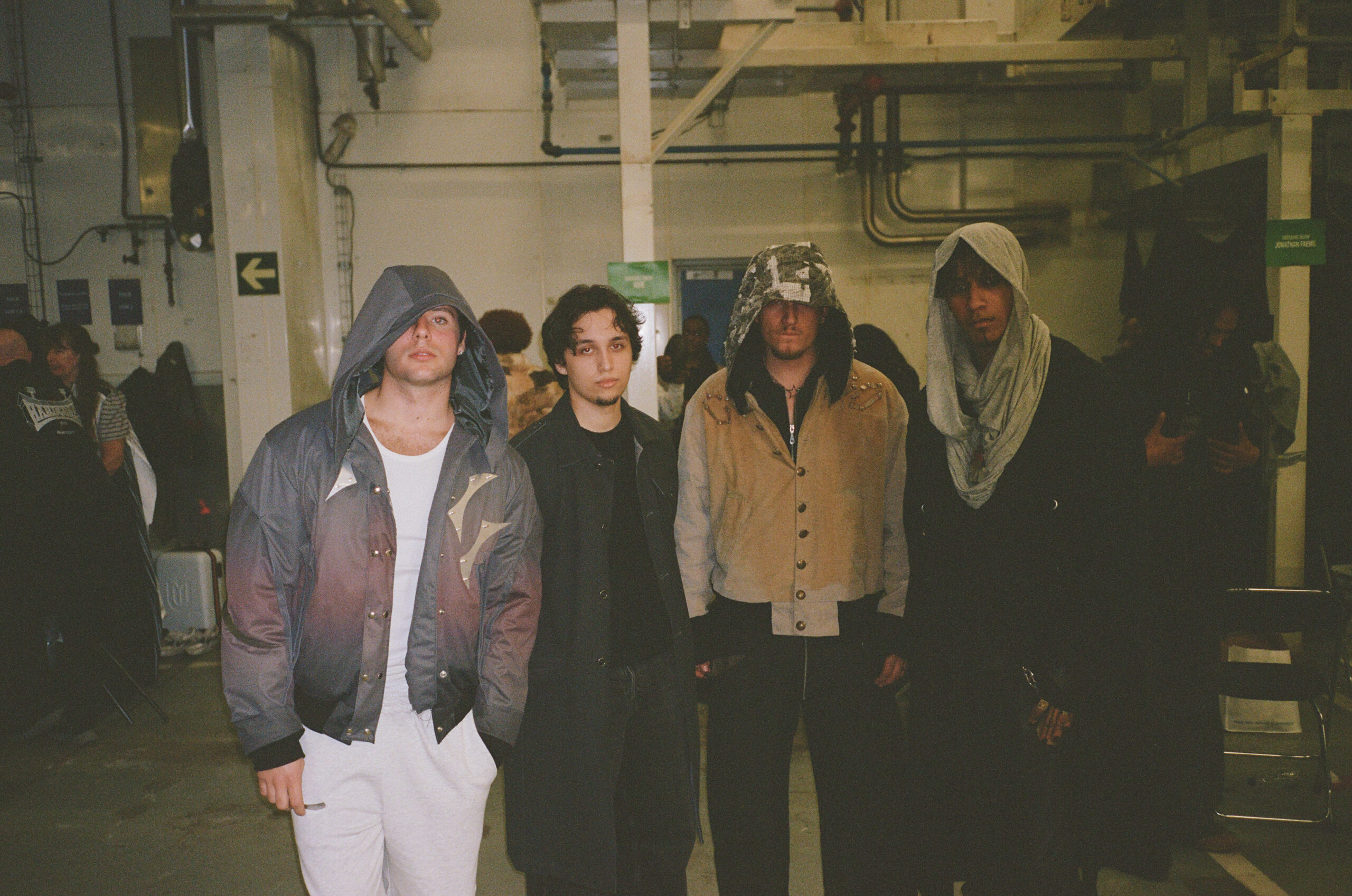
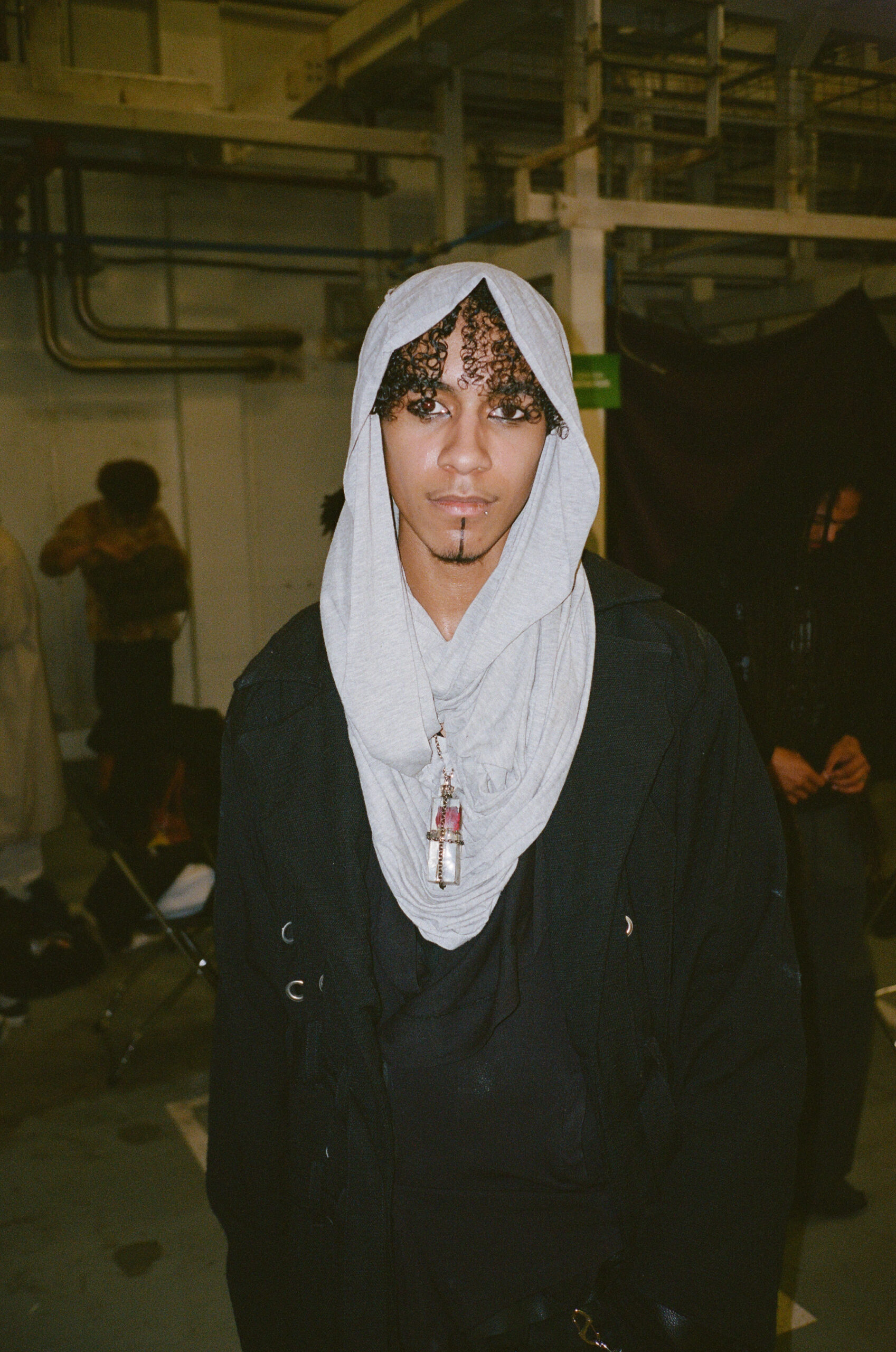
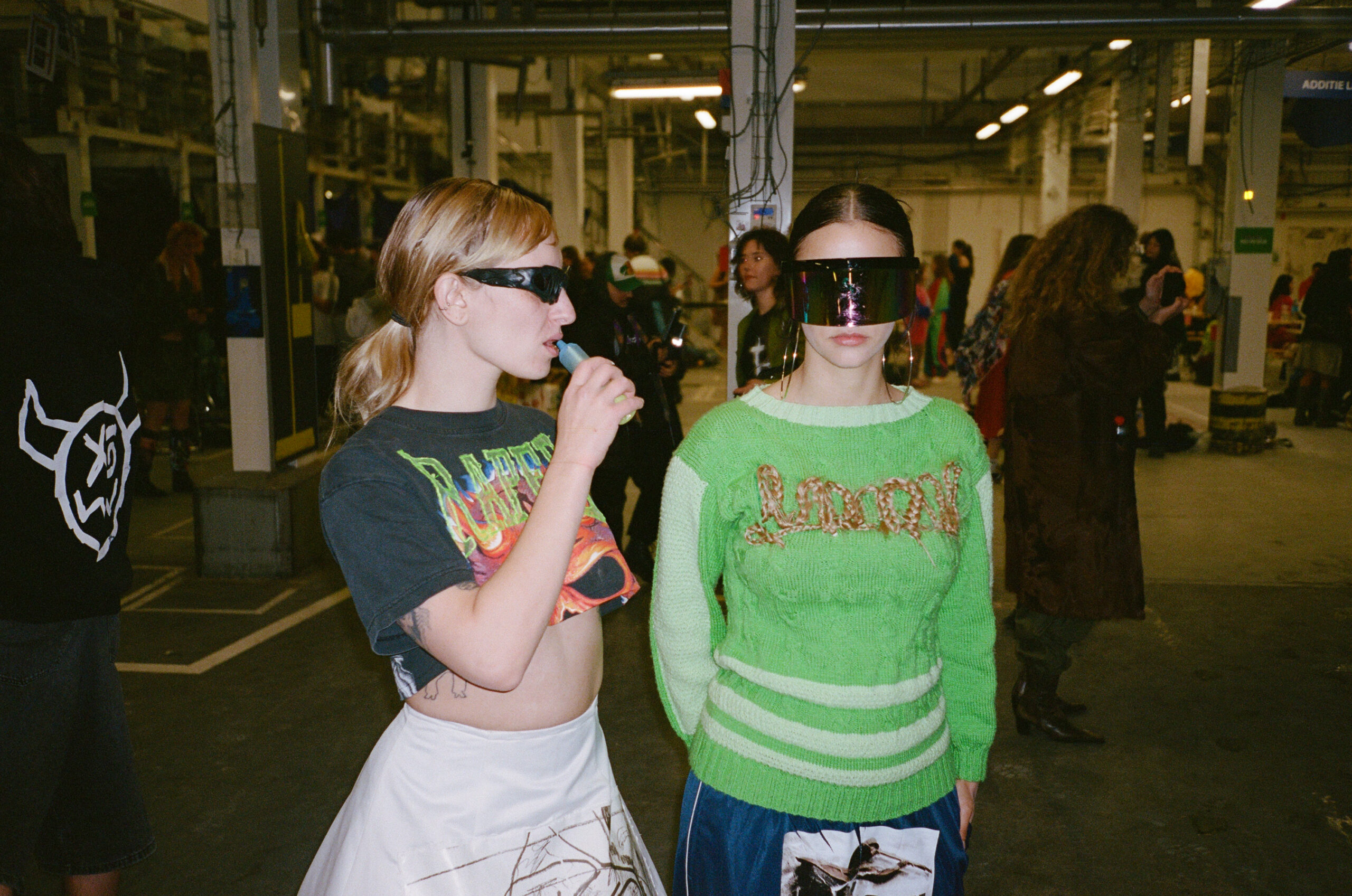
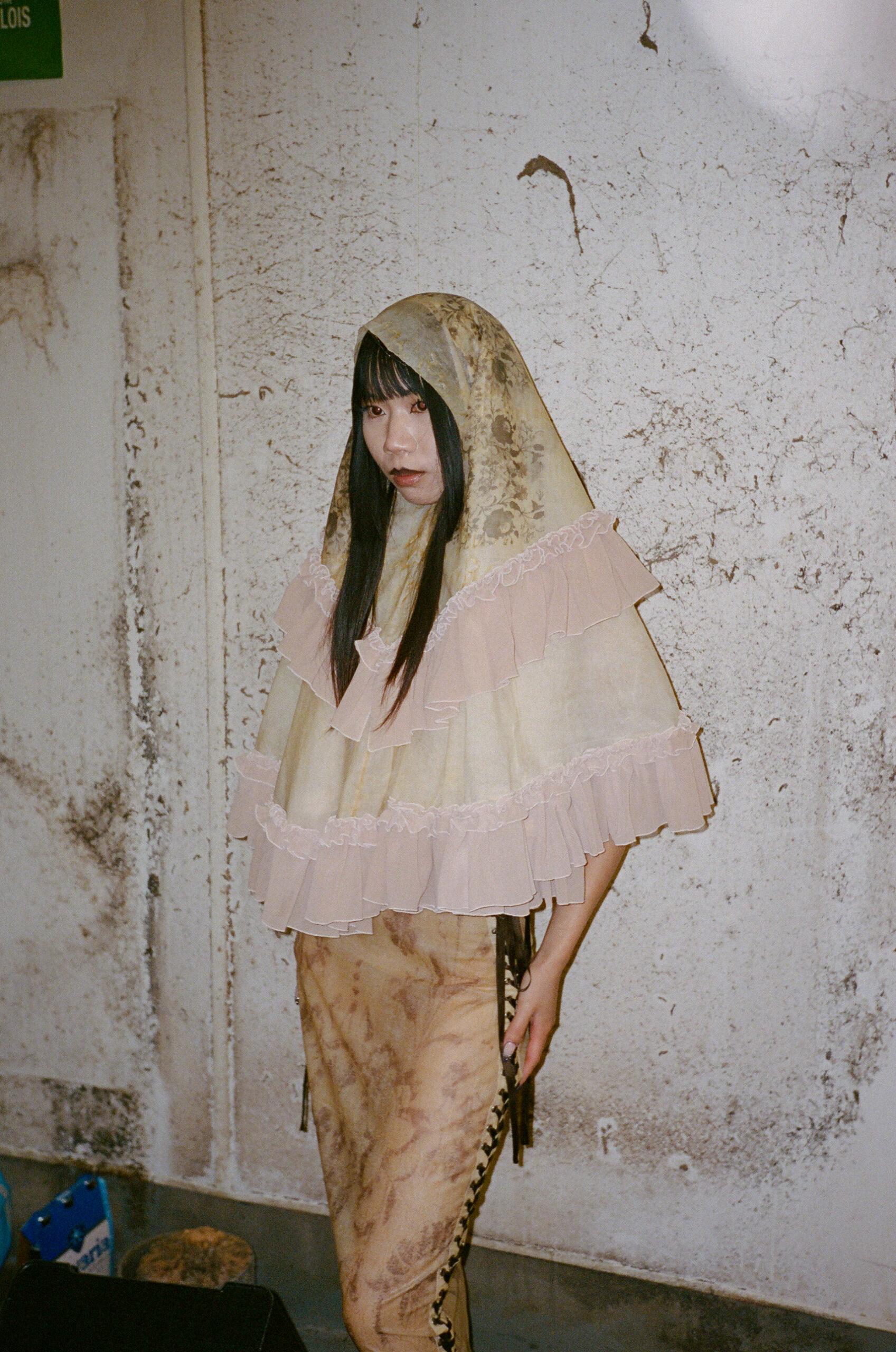
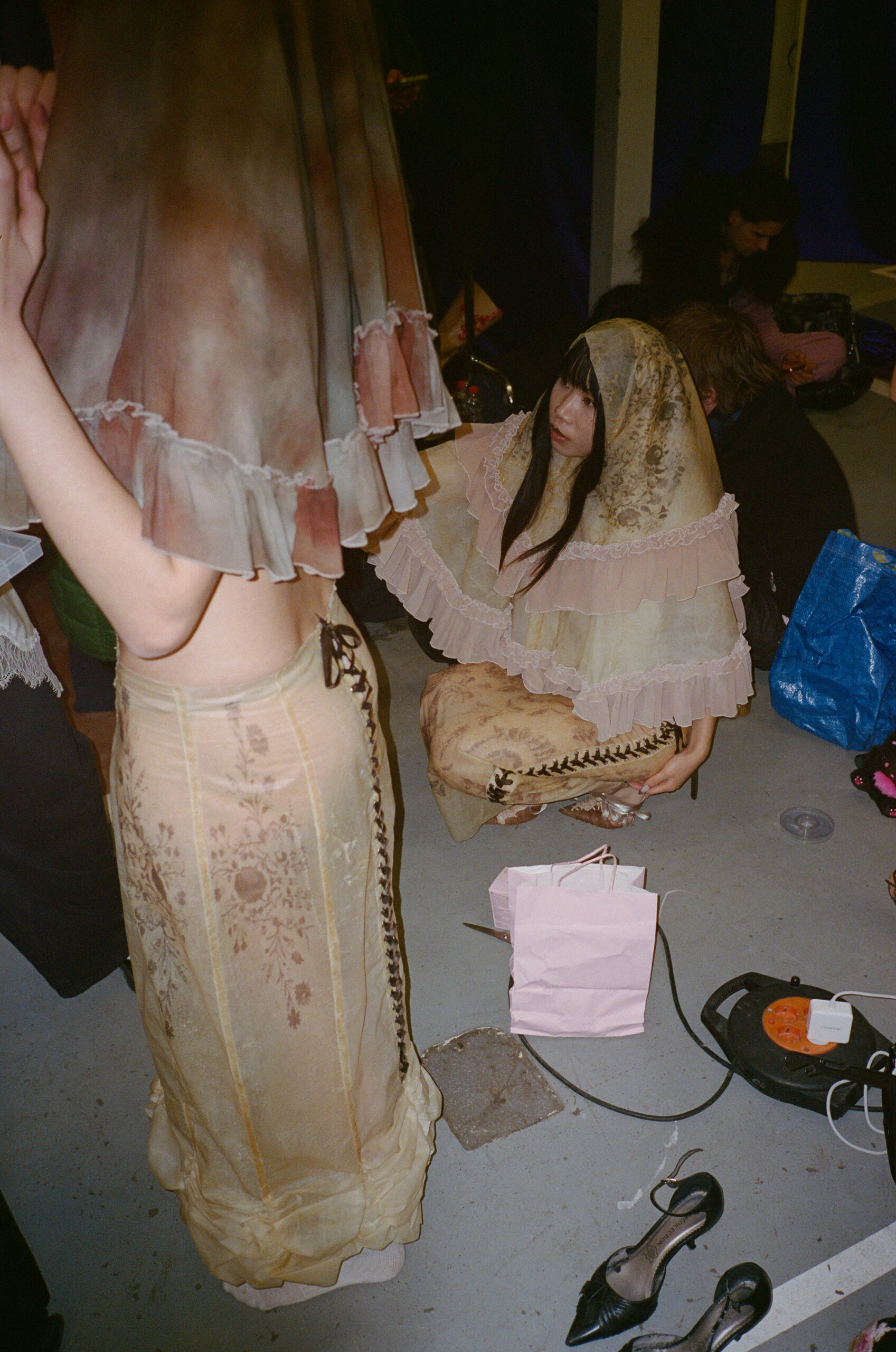
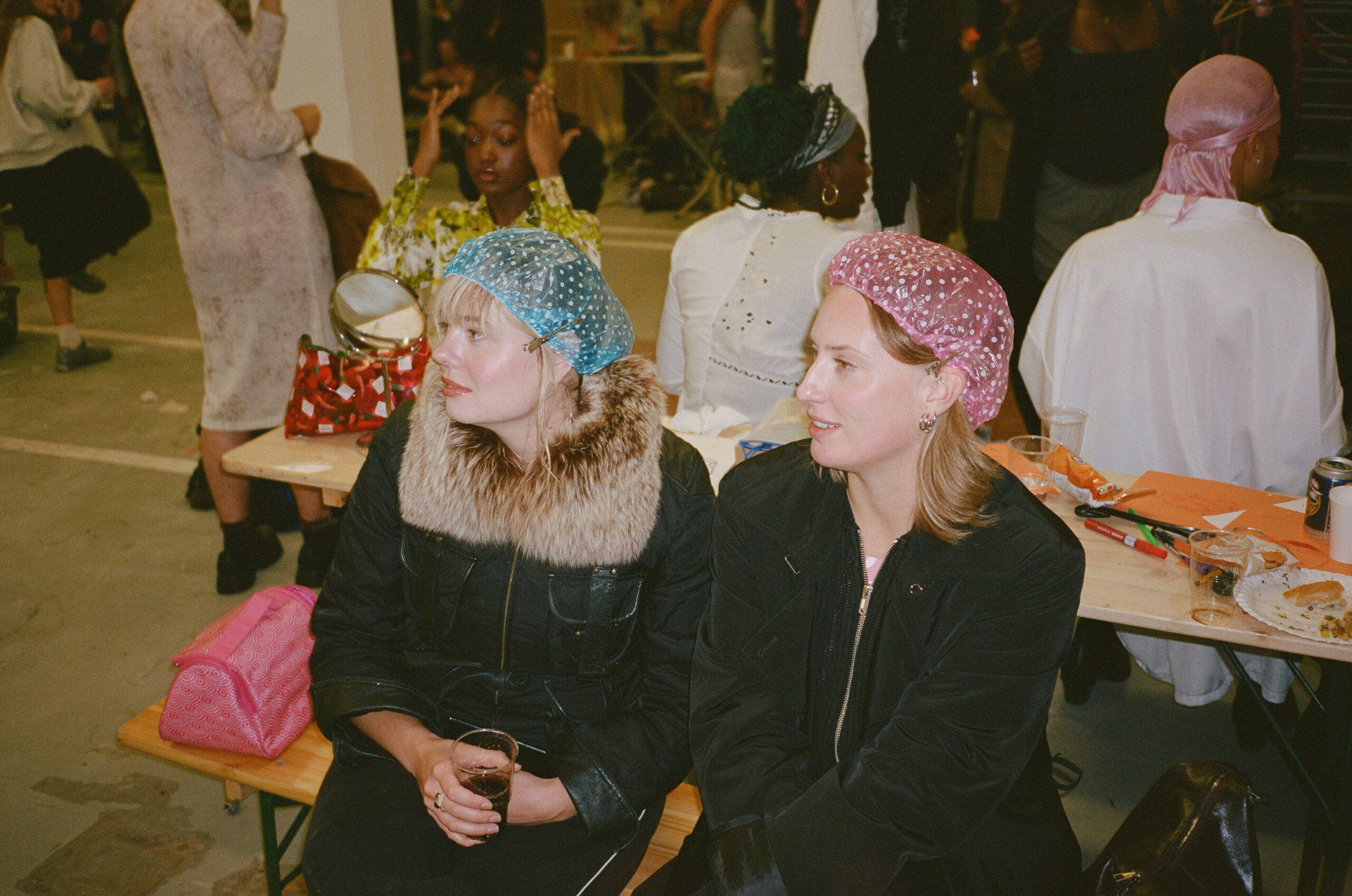
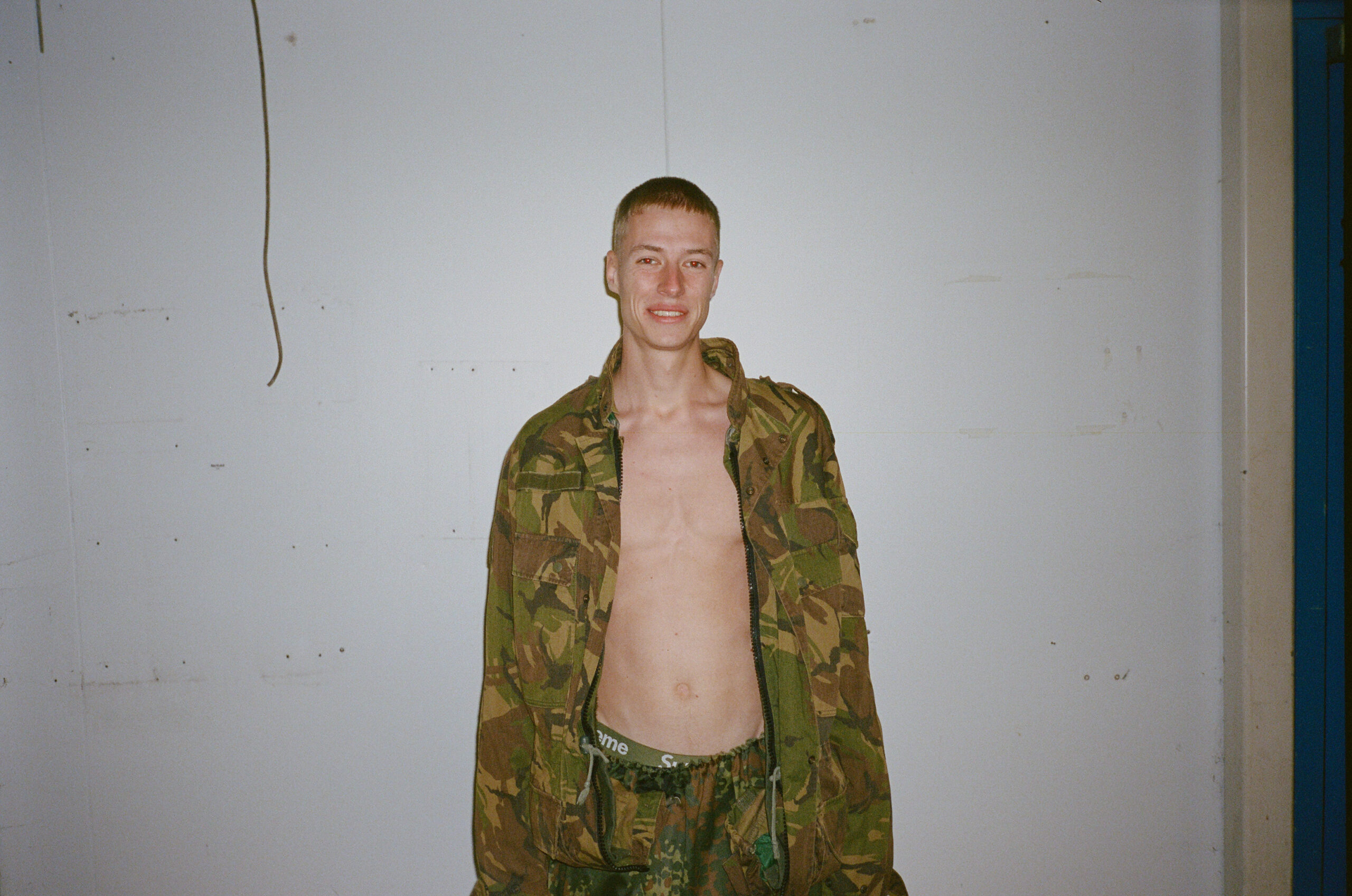
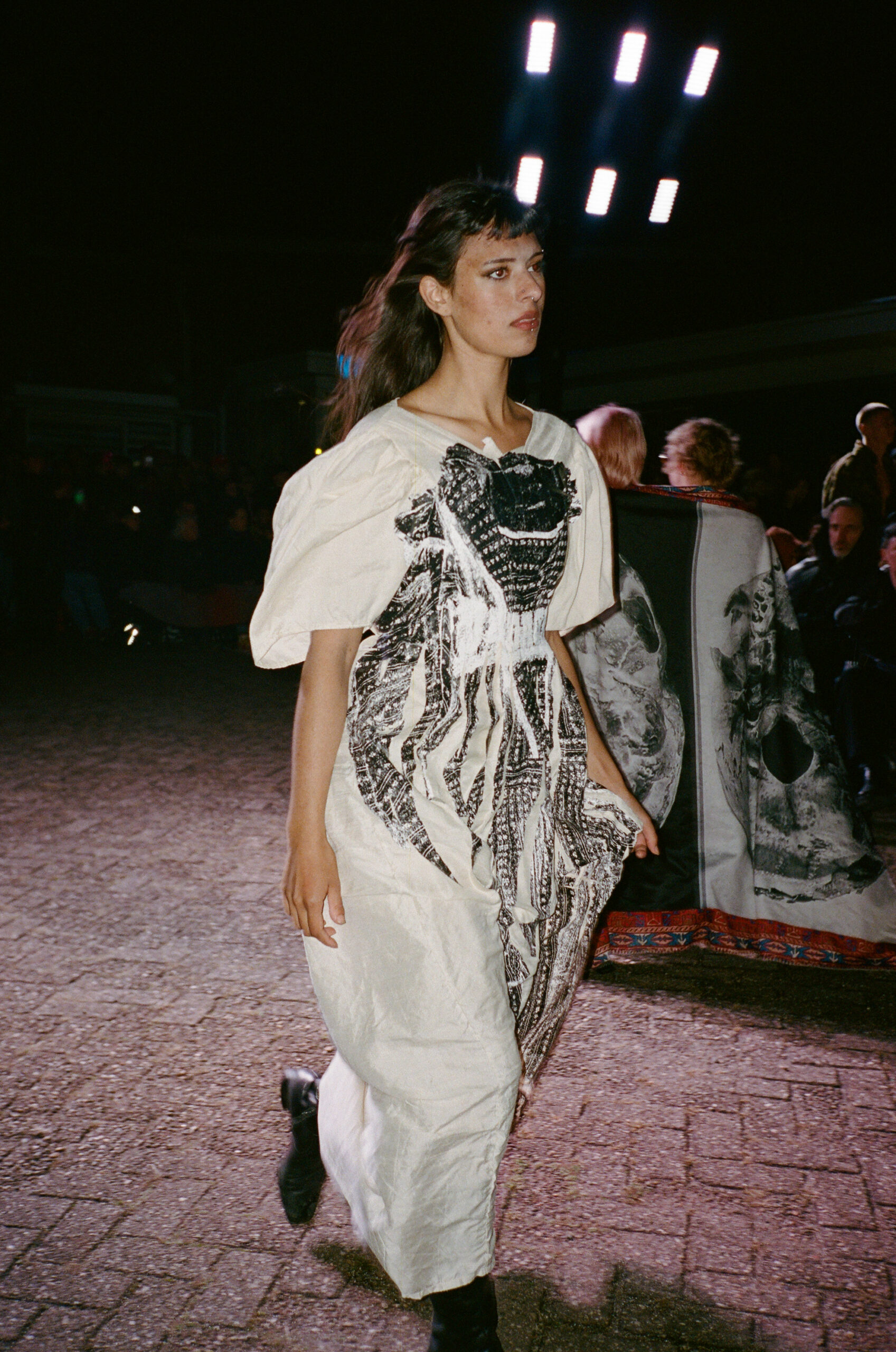
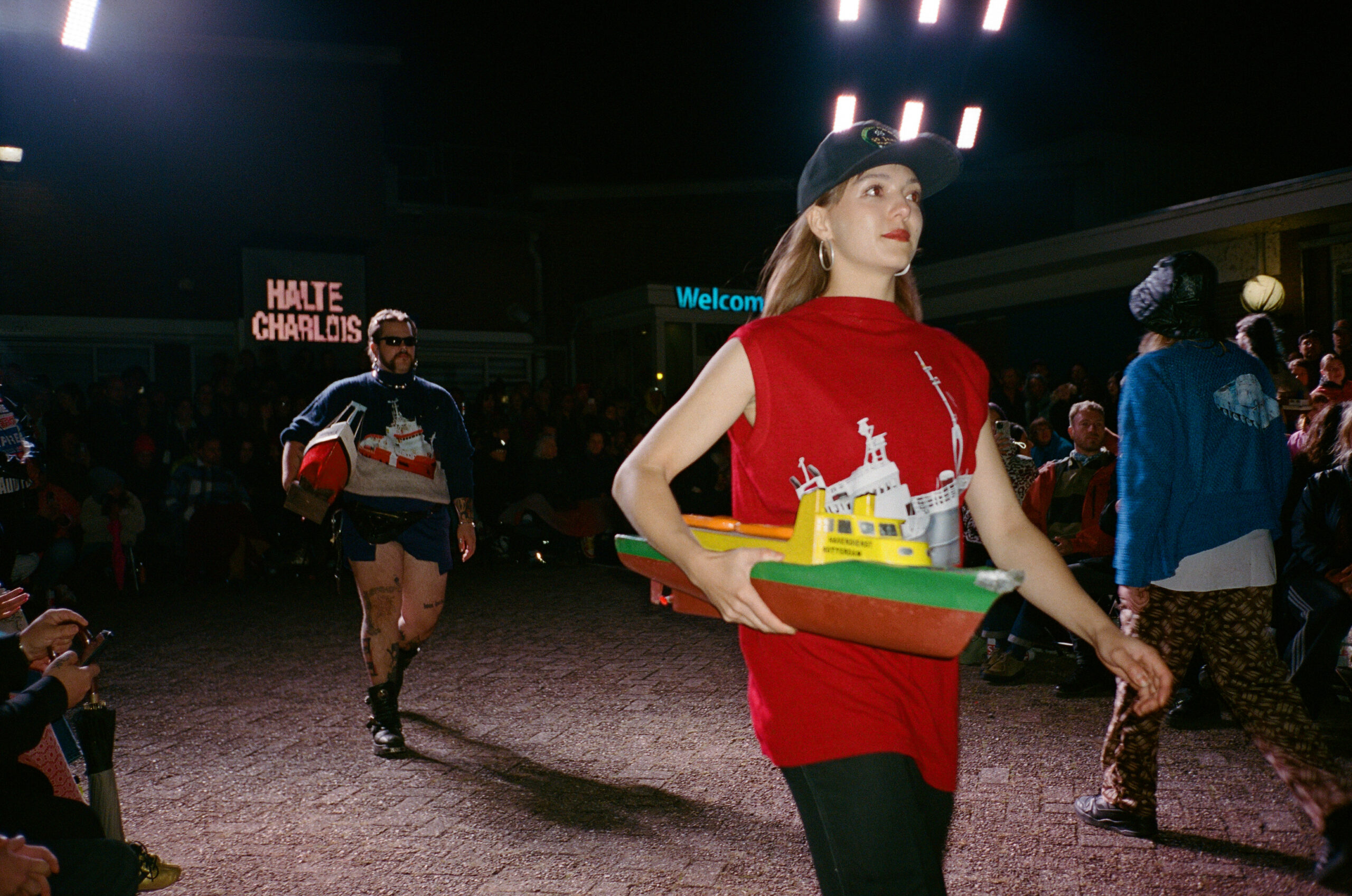
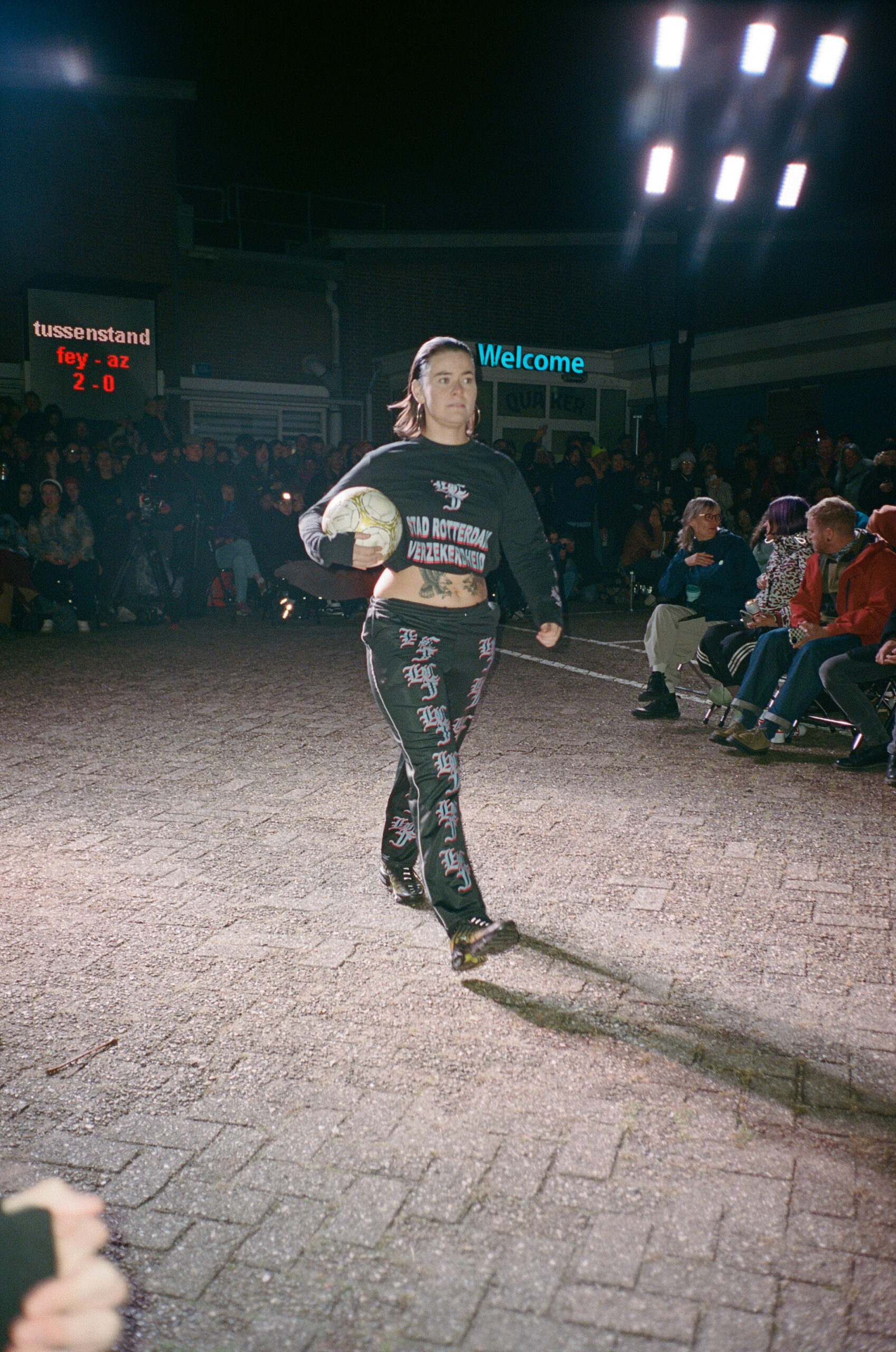
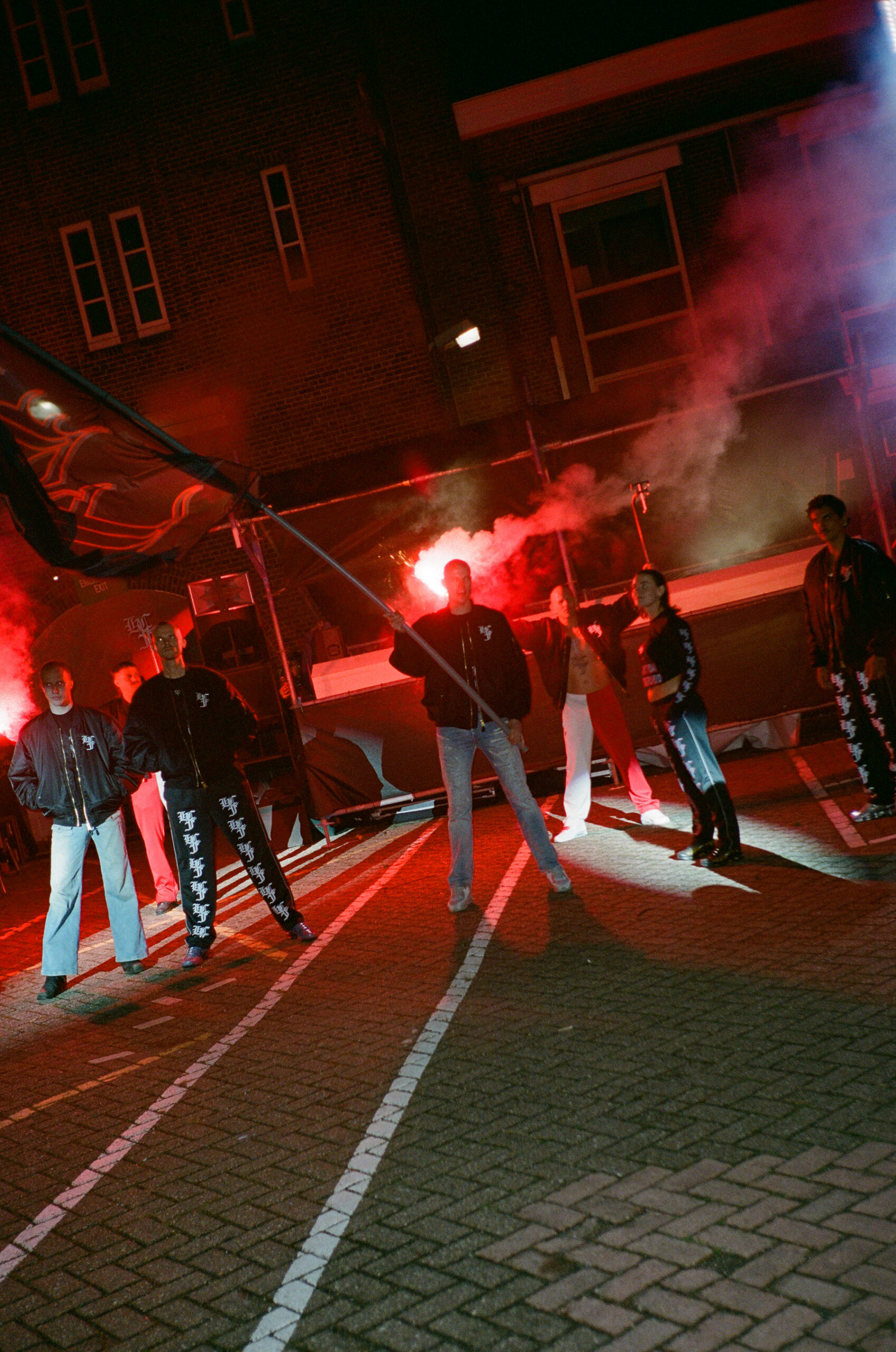
What I found was something Amsterdam might have lost: rough around the edges, punk, full of contrasts and, above all, genuine. Shaved-head gabbers in tracksuits sipping soup. Sad boys with face tattoos draped in linen. Blonde princesses bopping around in sculptural pastel dresses. All of them sharing one space. The tailoring wasn’t about perfection and some looks leaned theatrical, but that was never the point. The point was that everyone was here, together. That’s what fashion should always have been: a point of connection.
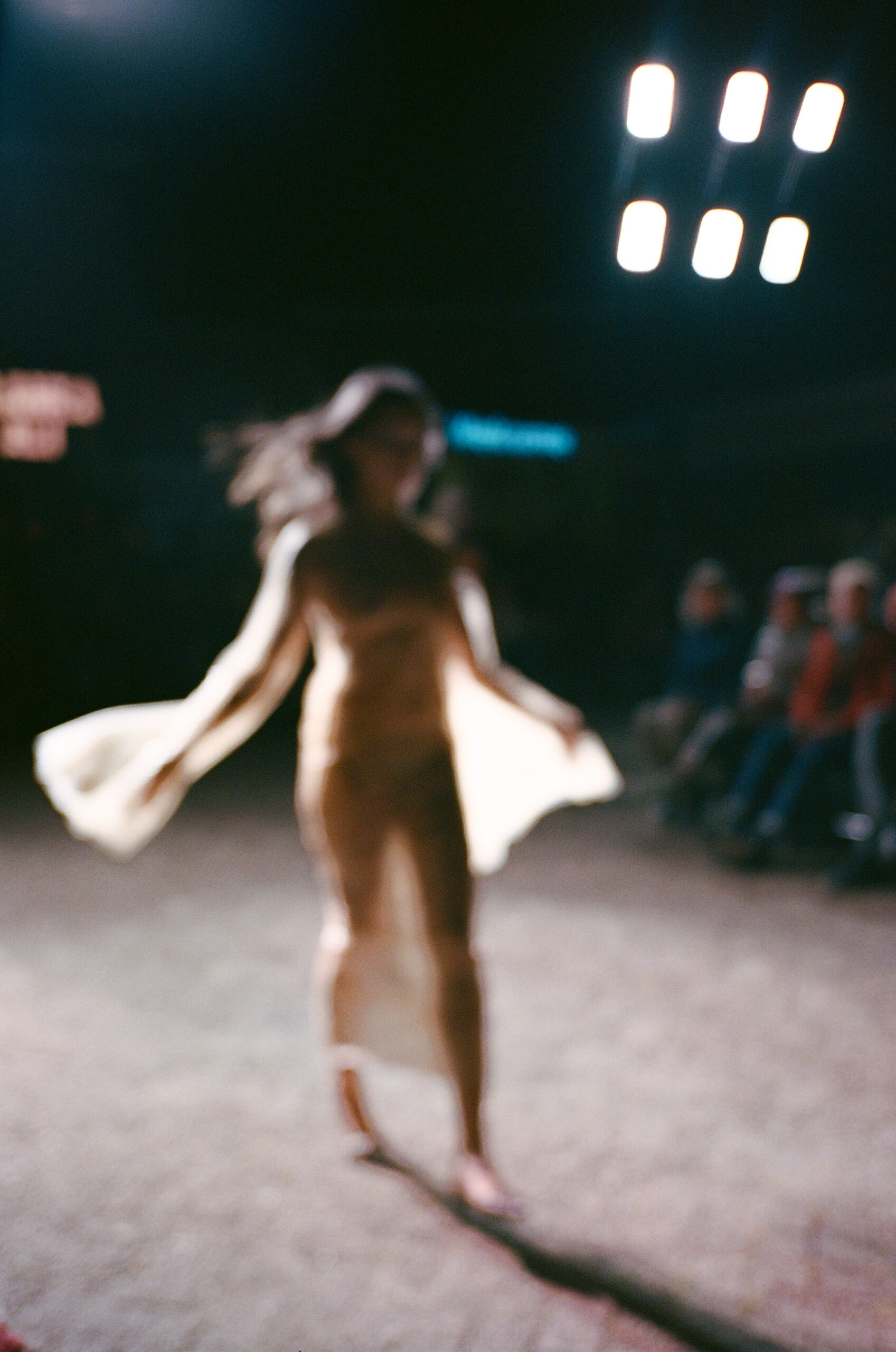
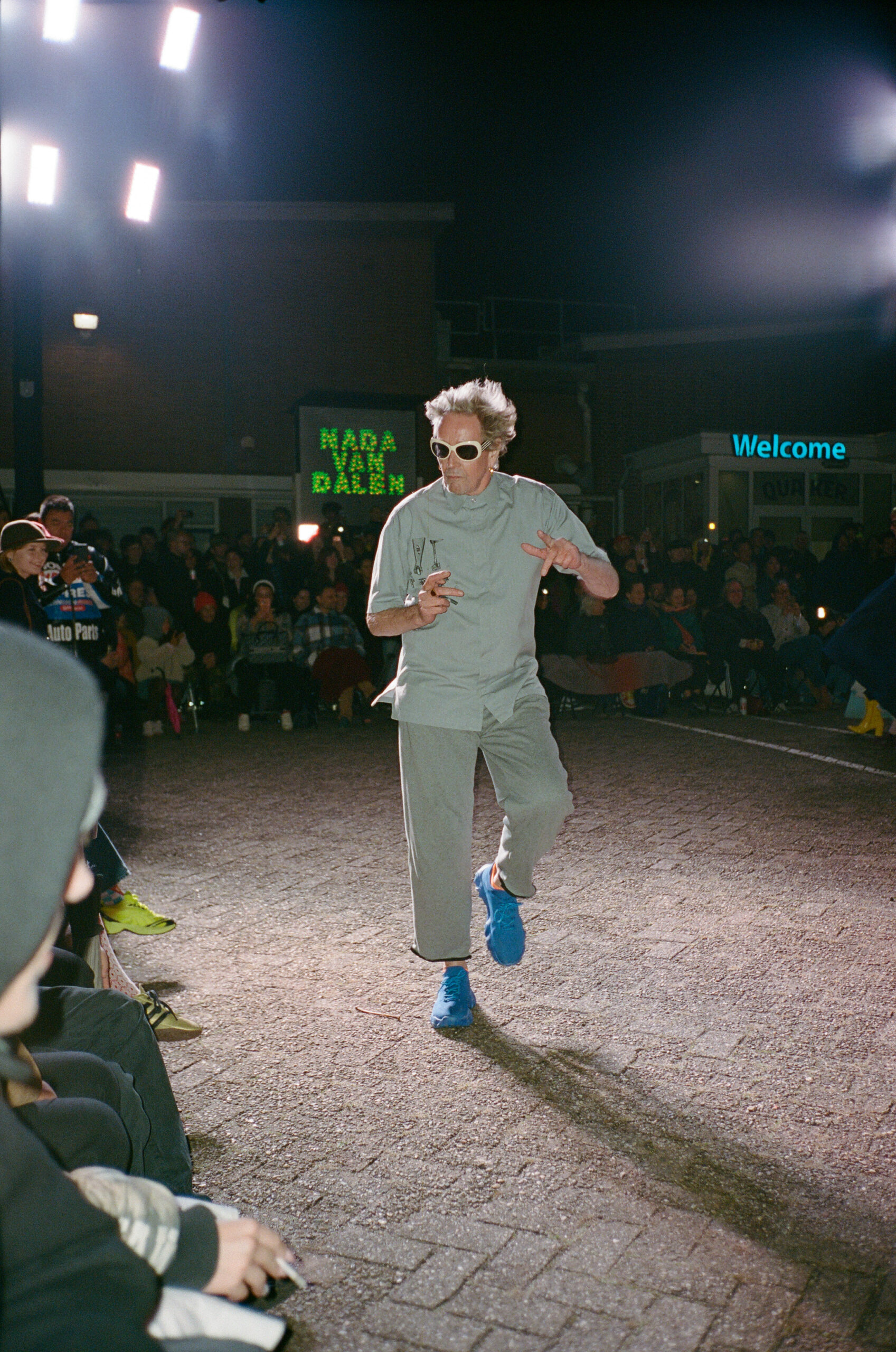
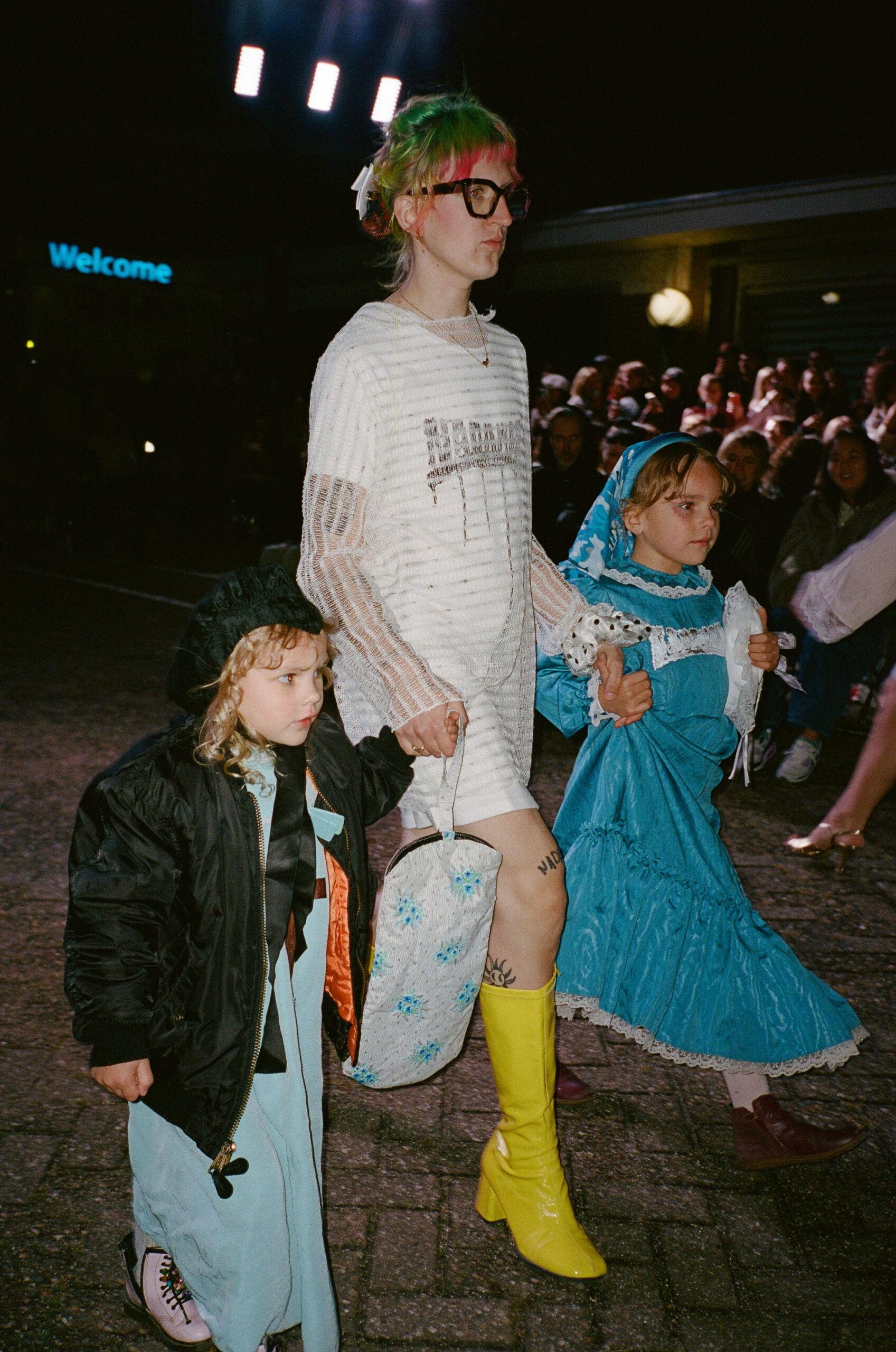
And then came the show, and what a show it was. A heart-pumping soundtrack, models with big smiles (or absolutely no smiles), characters of every kind. A true celebration of Rotterdam in all its might, and frankly one of the most entertaining nights I’ve had this year. It ended with a high-BPM dance party, right there on the floor.
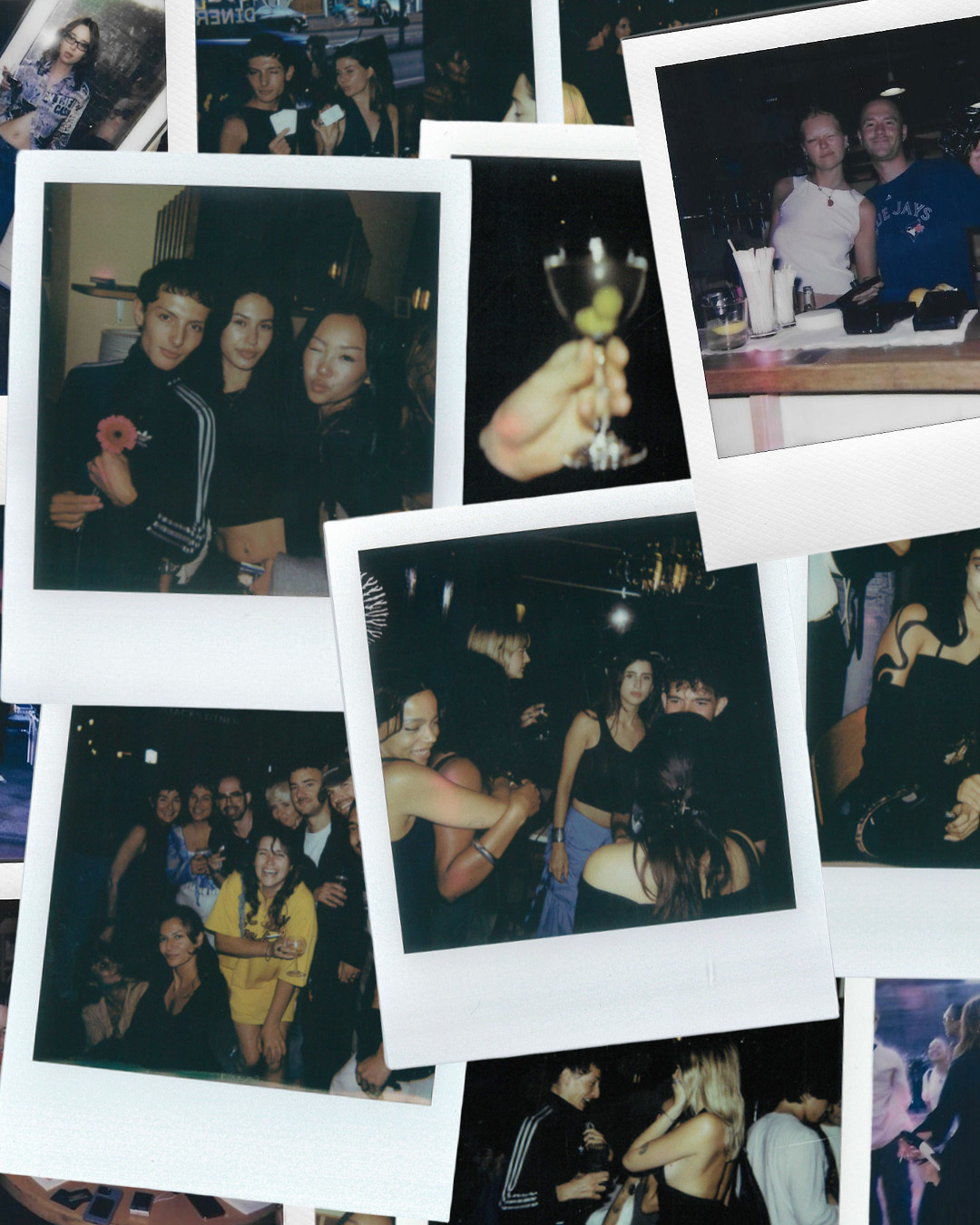
The show was on a far bigger scale than I’d imagined when the invite landed in my inbox, and I couldn’t help noticing how tightly everything was run. The people behind it? La Cassette, a collective that began as friends throwing parties and has since grown into something much bigger. The second I got home, I needed to know what it took to pull off what I’d just witnessed. So I hit up La Cassette to find out.


Could you tell me a bit about La Cassette? How did the La Cassette x Halte Charlois Goot Couture fashion show fit in with your usual projects?
La Cassette has been around for eight years now. We started out organising parties and slowly but steadily grew into a creative collective that works on pretty much anything we’re excited about. From exhibitions and video productions to public art installations and creating experiences rooted in nightlife and subcultures.
We’ve always had a strong interest in fashion, as we believe clothing and nightlife go hand in hand. The way people dress is such an important part of how they express themselves, their identity and the
communities they belong to. At one point, we even travelled to Portugal to visit clothing factories and explore producing our own
garments. Looking back, we probably weren’t quite ready to take that step at the time, but it shows how long fashion has been on our minds. Organising a fashion show feels like a natural extension of what we
do, bringing together music, art, fashion and people in unexpected ways.
How did La Cassette and Halte Charlois come to join forces to organise Goot Couture?
This was actually our third year organising Goot Couture during Dutch Sustainable Fashion Week in Rotterdam. The very first edition took place right in the middle of the Koopgoot, one of Rotterdam’s busiest shopping areas. We’ve always liked the idea of taking fashion out of its traditional environment and bringing it into public spaces.
Nada van Dalen participated in our second edition of Goot Couture, and this year Dutch Sustainable Fashion Week connected us again to explore a bigger collaboration between La Cassette and Halte Charlois. We immediately discovered how much we had in common. We share a similar passion for authenticity, aesthetics and creating something that feels genuine. At the same time, we both bring different perspectives and experiences to the table, which makes the collaboration even more interesting.
We’ve learned a lot from each other throughout the process, and it’s been incredibly inspiring to see how our different approaches can come together to create something new.
How was this edition different?
This edition was definitely our most ambitious one yet. We moved into completely new territory, transforming the former Quaker factory in Rotterdam into a fashion show location. We had significantly more models, a much bigger audience and The show took place outdoors, which made things even more exciting. During rehearsals, a storm suddenly rolled in, so we were incredibly lucky that the weather cleared up for the actual show!
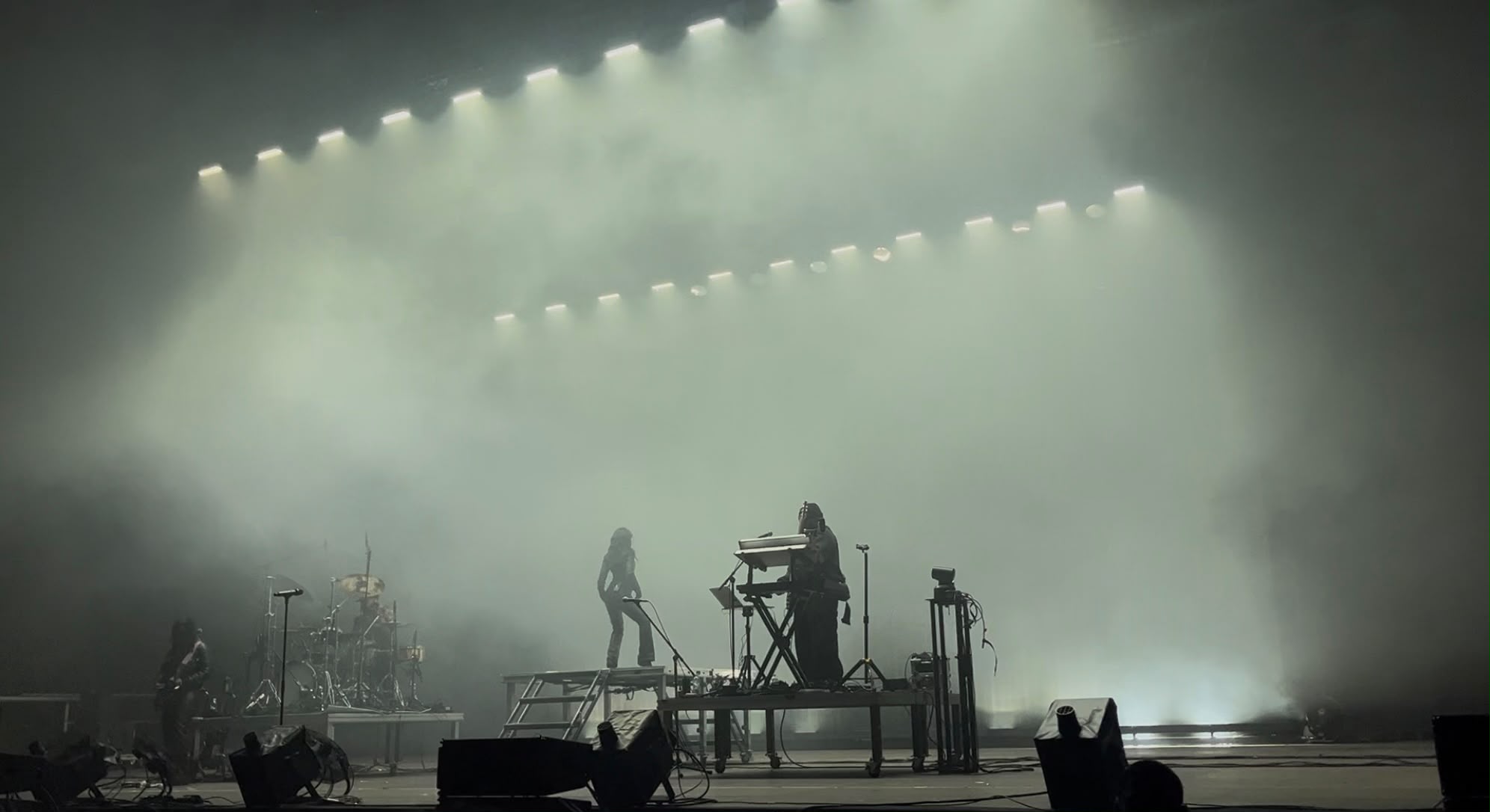
We also took the overall production to another level. We brought in a full camera crew to capture the entire show, developed matching visuals and worked with Jopie Leaks, who composed and performed an original soundtrack live during the show. Everything was designed to come together as one experience, rather than just a traditional runway presentation. And of course, we continued the night with an afterparty at Export.
Another important difference was our collaboration with Halte Charlois, a socio-cultural project initiated by designer Nada van Dalen that documents the neighbourhood of Charlois and its residents as urban redevelopment continues to transform the area. Through this collaboration, we wanted to create a stronger connection with the neighbourhood itself. Local residents also took part in the runway show, including members of a local hobby club dedicated to building miniature model trains and cars. This made the show not only about fashion, but also about the people and the place surrounding it.
How would you describe Rotterdam’s energy compared to, say, Amsterdam’s? How did it come through in the show?
We always find it interesting how Rotterdam is so often described as ‘raw’. It’s a characteristic that seems to come naturally to the city, perhaps because of its history and identity as a port city.
But what we find even more interesting is Rotterdam’s sense of authenticity. The city doesn’t seem particularly interested in comparing itself to other places or trying to become something else.
It has a very distinct identity, and there’s something incredibly contagious about that attitude. We feel that this energy translates directly into the creative scene. There’s a certain openness to experimentation, unconventional ideas and doing things your own way.
That’s exactly the spirit we wanted to capture with Goot Couture. Taking over an unconventional location, bringing together different creative communities and creating something that doesn’t necessarily follow the traditional rules of a fashion show. It felt very Rotterdam to us.
What was the most challenging part of putting the show together?
We tend to make things difficult for ourselves by choosing a completely new and unconventional location for every edition.Rather than using venues that are already designed to host events, we’re drawn to places where something like a fashion show wouldn’t normally happen. Our first edition took place in the middle of a shopping centre, and this year we transformed the former Quaker factory, a vacant industrial building that is still awaiting redevelopment.
While these locations offer incredible creative possibilities, they also come with a lot of challenges. We have to build almost everything from scratch, from navigating permits and fire safety regulations to arranging hospitality facilities and making the location suitable for a large audience. Luckily, the Municipality of Rotterdam has been incredibly supportive throughout this process, helping us turn these ambitious ideas into reality.
In a way, we think that reflects something about Rotterdam itself. It’s a city that’s constantly evolving, and people seem genuinely open to new ideas, experimentation and development. That willingness to embrace change feels like it’s part of the city’s DNA.
What do you hope the attendees take away from the show?
Above all, we hope people leave with a different perspective on what fashion can be and where it can take place. For us, Goot Couture is about much more than the clothes on the runway. It’s about bringing people together, celebrating creativity and showing how fashion can connect different communities, generations and cultural backgrounds.
This year, we especially wanted to shine a light on Charlois. It’s a neighbourhood with its own identity, history and creative energy, and we believe those qualities deserve to be celebrated, especially at a time when the area is undergoing so much change.
By involving local residents and bringing a new audience into the neighbourhood, we wanted to create an exchange between the people who already call Charlois home and those discovering it for the first time.
If visitors walked away feeling inspired by the designers, the people they met and the neighbourhood itself, then we’ve achieved our main goal.
Ultimately, we hope to show that culture doesn’t always need to happen in established institutions or conventional spaces. Sometimes the most interesting things happen when you bring different worlds together and give them room to create something new.