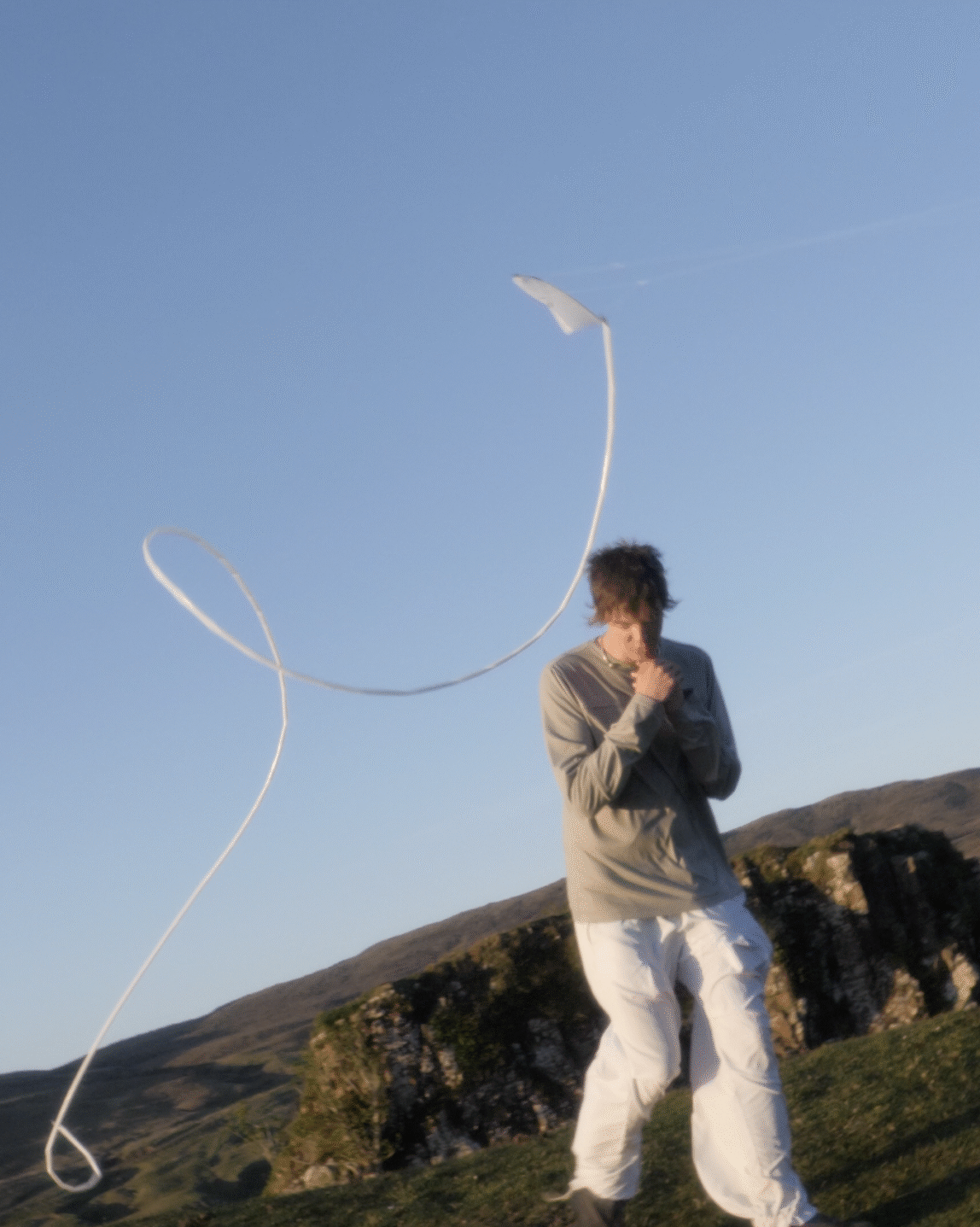
Few Amsterdam artists have built a world as complete as Bby Eco has. His sound, unmistakably his own, can best be described as an ongoing conversation between the digital and the natural. Rubbing shoulders with hyperpop and ambient, it traverses all labels, to the point that a new genre had to be coined, Eco-Pop, just to put it in a box. A box in which Bby Eco can do anything he wants.
For an outsider like me, the Bby Eco-verse, with its tangy beats, elastic melodies, and airy visuals, has always felt very 360°, and yet somehow still shrouded in mystery as to who the real human being is behind it all. In the lead-up to his performance at this year’s edition of Rewire, I finally got to find out.
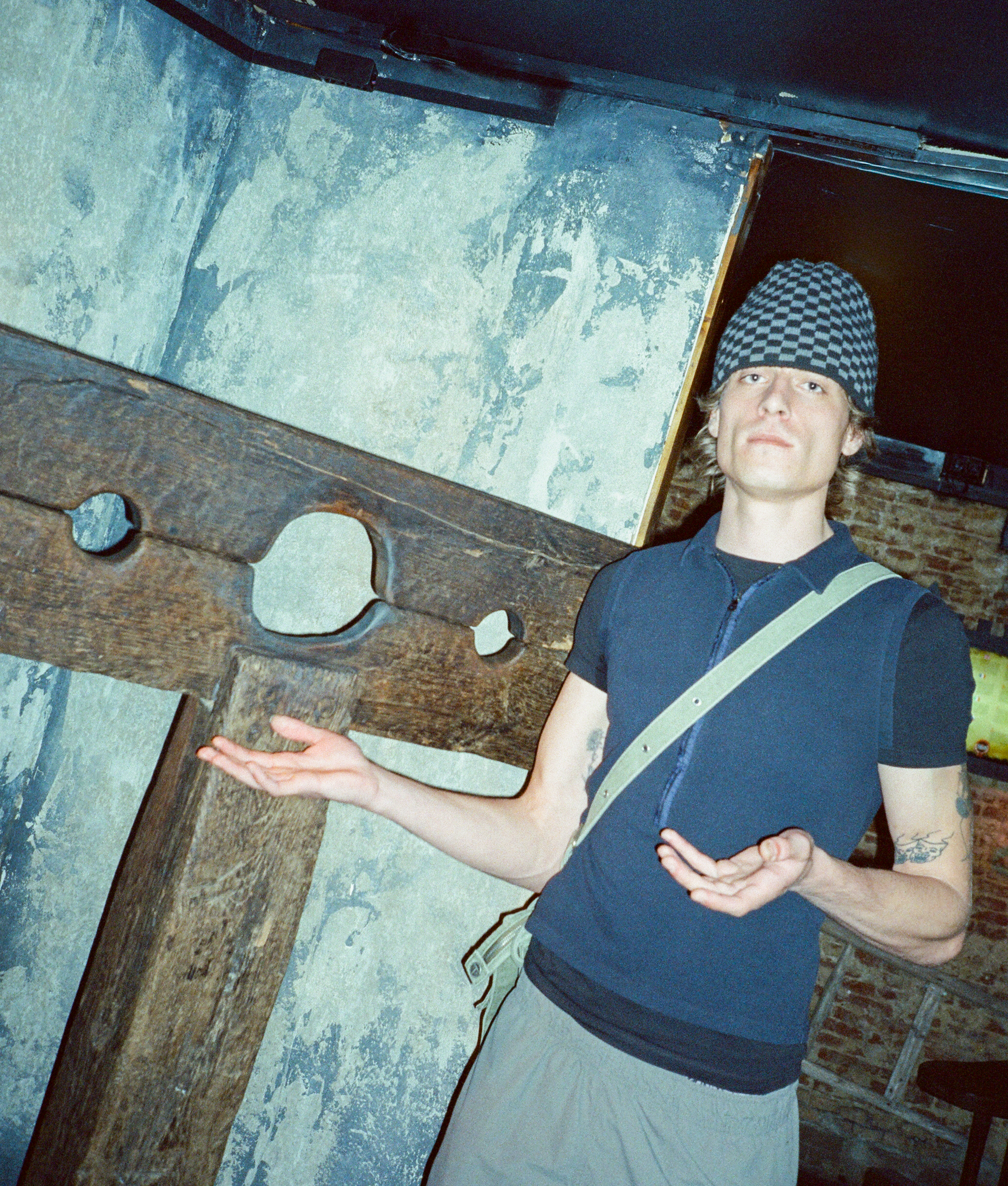
On a grey Monday afternoon, Joris Benjamins stepped out of the Soho House fifth-floor elevator looking decidedly more human than mythical. The nervousness I’d carried all morning dissolved quickly — he had the kind of easy, unpretentious warmth that makes you forget you were nervous at all.
Over the course of our conversation, I got to know Joris Benjamins beyond his Bby Eco moniker. With a boyish honesty, he walked me through his journey: from Apeldoorn to Rietveld, across three albums, and through the deeply personal emotional terrain it took to bring each of them to life.
It turns out Joris has been drawn to music for as long as he can remember, forming bands and running an improv-forward party series called SYMBYOSYS throughout his studies. But it wasn’t until he enrolled in the audio-visual arts faculty at Rietveld that his artist persona, Bby Eco, truly came into its own. With the guidance of faculty and a strong community of like-minded listeners around him, he set out to build a universe that was entirely his.
It materialised in 2020, while the rest of us were busy learning TikTok dances, Joris filled the vacuum left by the COVID lockdown with an unlikely craft: making ringtones for his friends. The pastime grew into Grow!, his debut album, self-released on Spotify, which catapulted Bby Eco from Rietveld cult favourite to international name. A filter bubble of his own, if you will.
As our conversation deepened, one theme kept surfacing: space. His latest album began with a need to make space, first for grief following the sudden loss of his mother, and for everything that comes in its wake. That process led him toward something else: making space for the present moment, “the only thing that there ever is.” And in finding that appreciation, he’s also made space for new collaborations, including his Rewire show this week, where he’ll be joined by Jepsfur and Jack Milner. From there, it felt only natural to end where we were: asking about the city he calls home, and the spaces within it that he’s made his own.
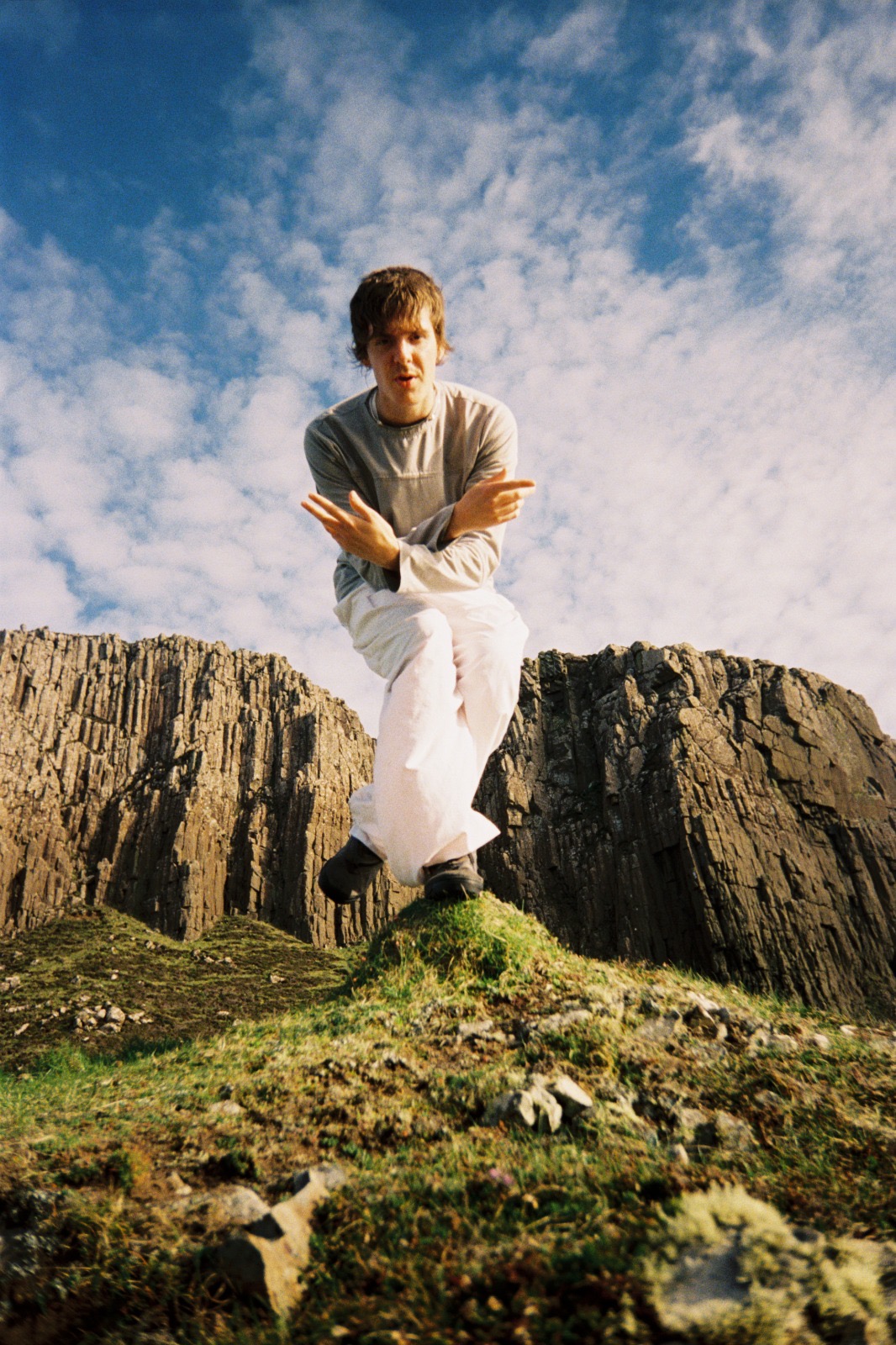
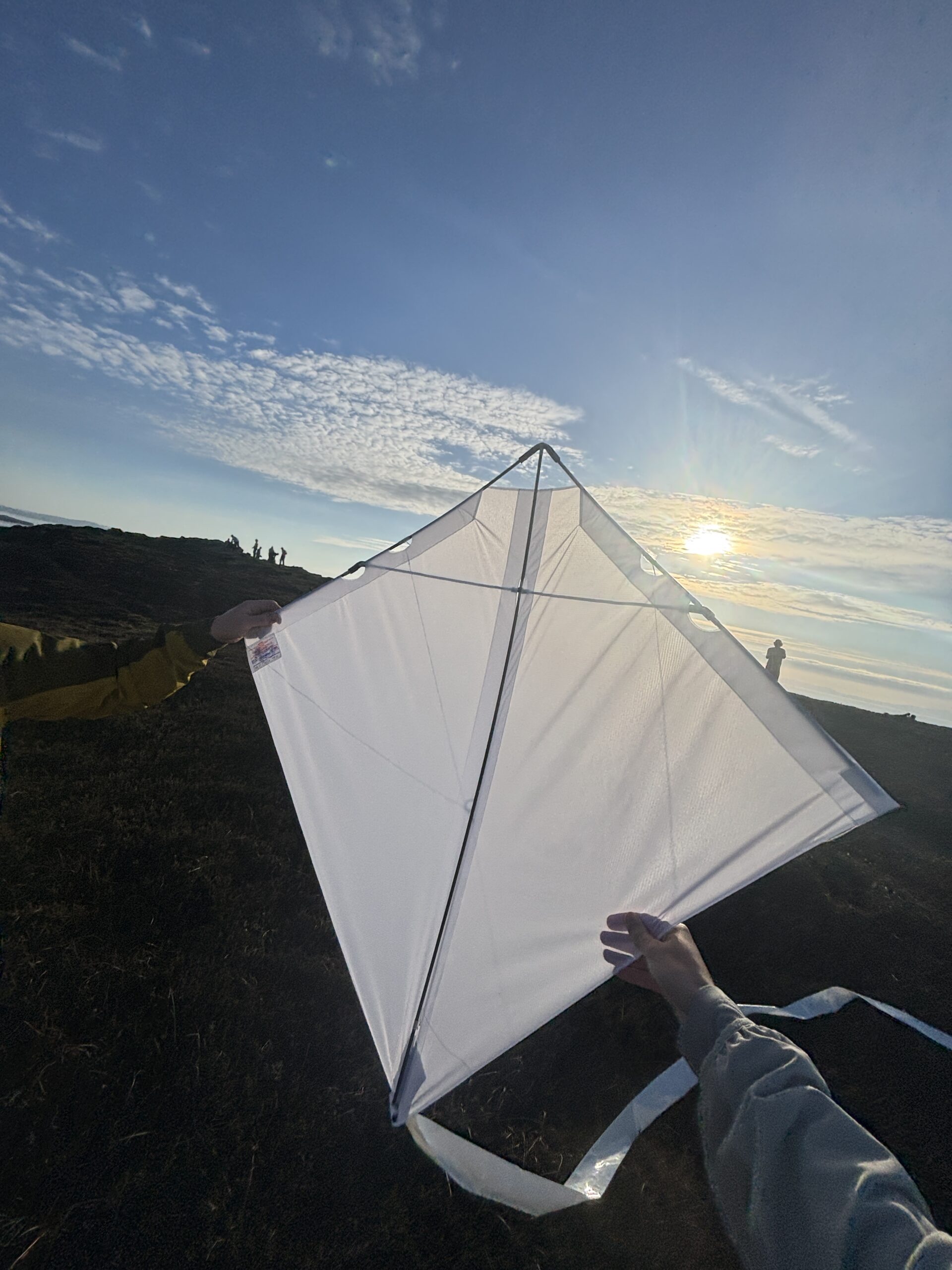
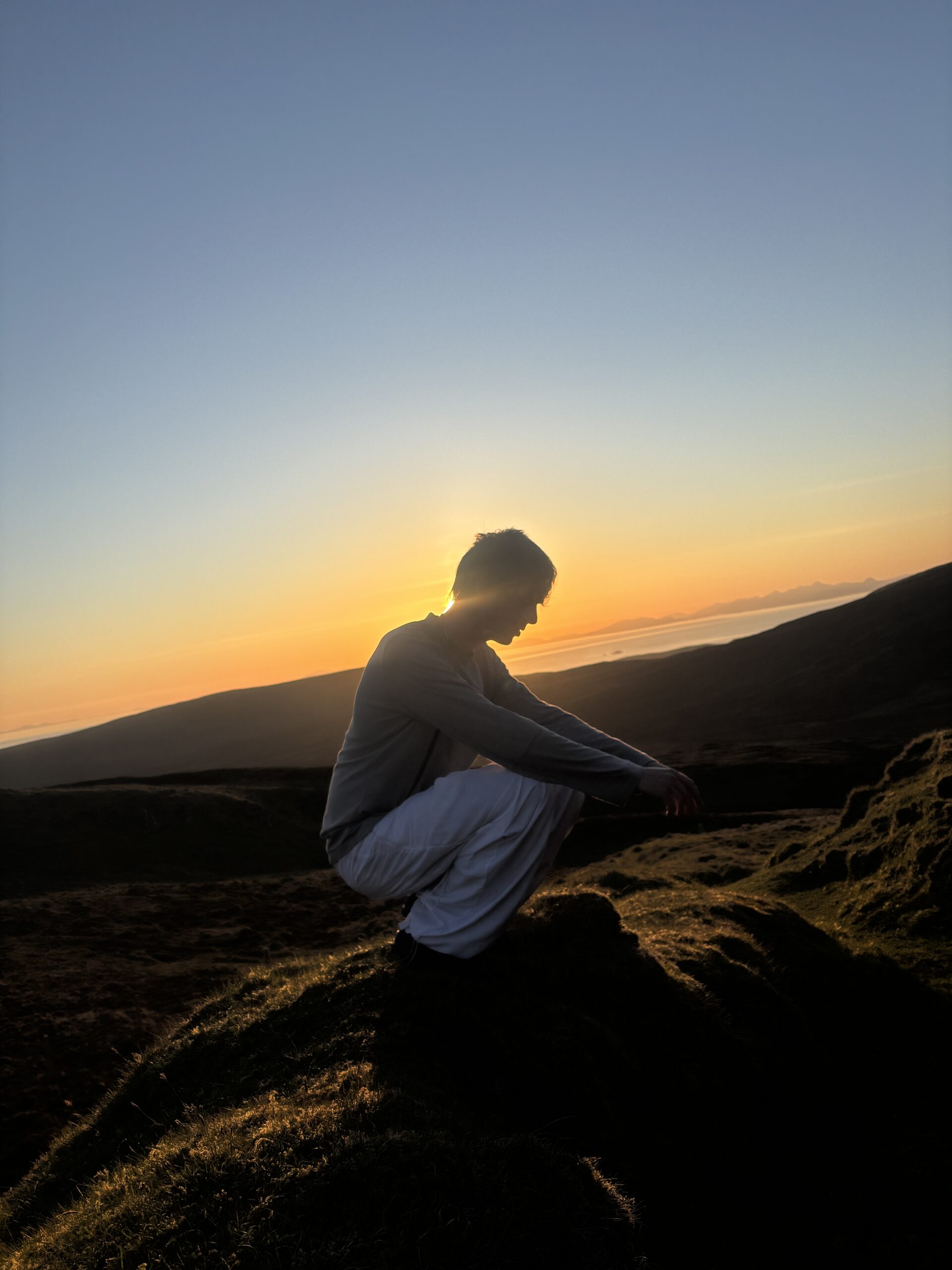


Anastasia: You’ve been on tour for the last few weeks. How has it been to settle back in Amsterdam?
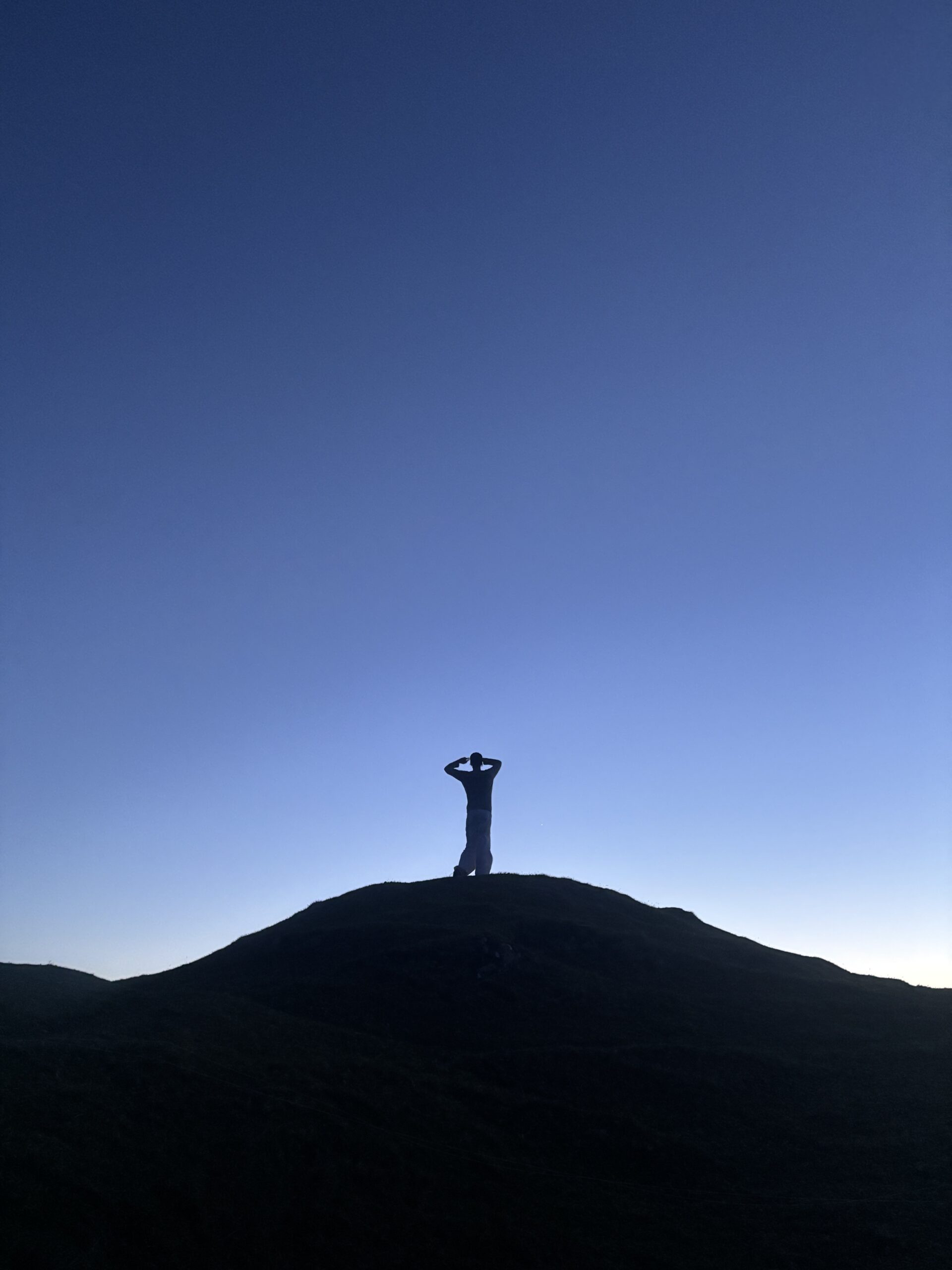
Bby Eco: It’s been really nice. I’ve lived here for 11 years, and I always feel great when coming back and reconnecting with all my friends. I don’t know if I would want to live anywhere else because many cities can be a bit overwhelming. But I gotta say, I did like the outside feeling of Los Angeles a lot. I can miss that a little bit in Amsterdam. Maybe because the Netherlands is so flat, you don’t see any mountains around, you don’t have a feeling you’re part of something larger. I also love Kyoto a lot because it’s surrounded by mountains. It makes you feel small. I think it’s sort of healthy to have that reminder that you’re a bit smaller than nature. It gives me a bit more hope for humanity sometimes.
Is nature a big source of inspiration for you?
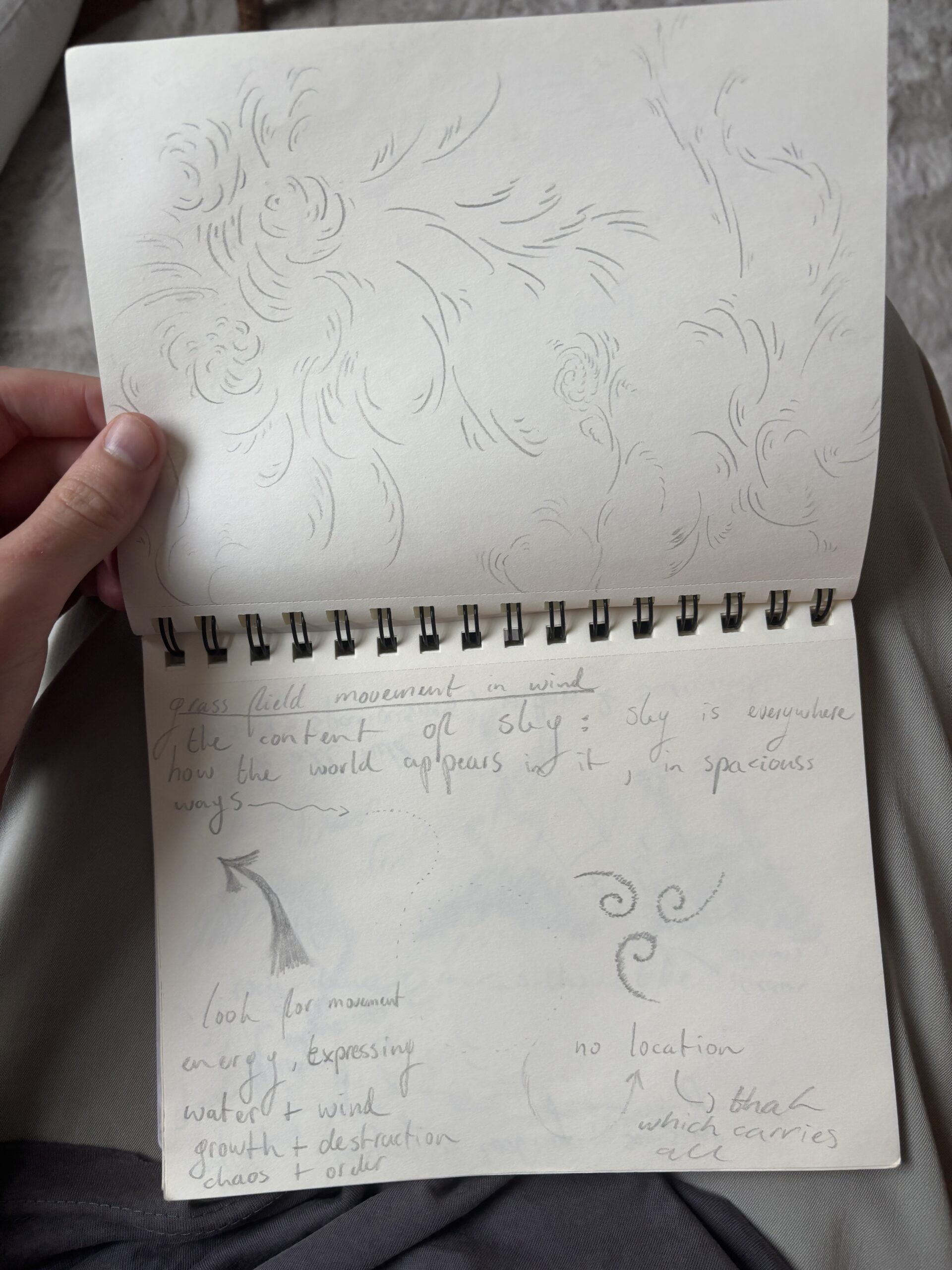
I get inspired by just being outside… So much of the society we live in is super overconceptualized — there’s a choice everywhere. Nature doesn’t really have that; it just has its own intelligence. That’s what makes it calming for me. I also like making music that captures the feeling of a space, which is mostly inspired by natural phenomena or places I’ve been to.
So, did the last month or so recharge you with inspiration?
Overall, all the trips during the tour were still very urban. There were also so many practicalities, like getting from one place to another. It was non-stop. So in the moments when I played music, I felt like a big relief, a magical thing. And then you have to go on again. Overall, it was really fulfilling to play music so much. It really makes you feel super comfortable with what you’re doing. A big part of the set is also quite a lot of improvisation, so it’s a bit different each time.
“Listen to your heart. And the wings will follow.
”
Is performing live your favorite part about being a musician? How does it compare to producing?
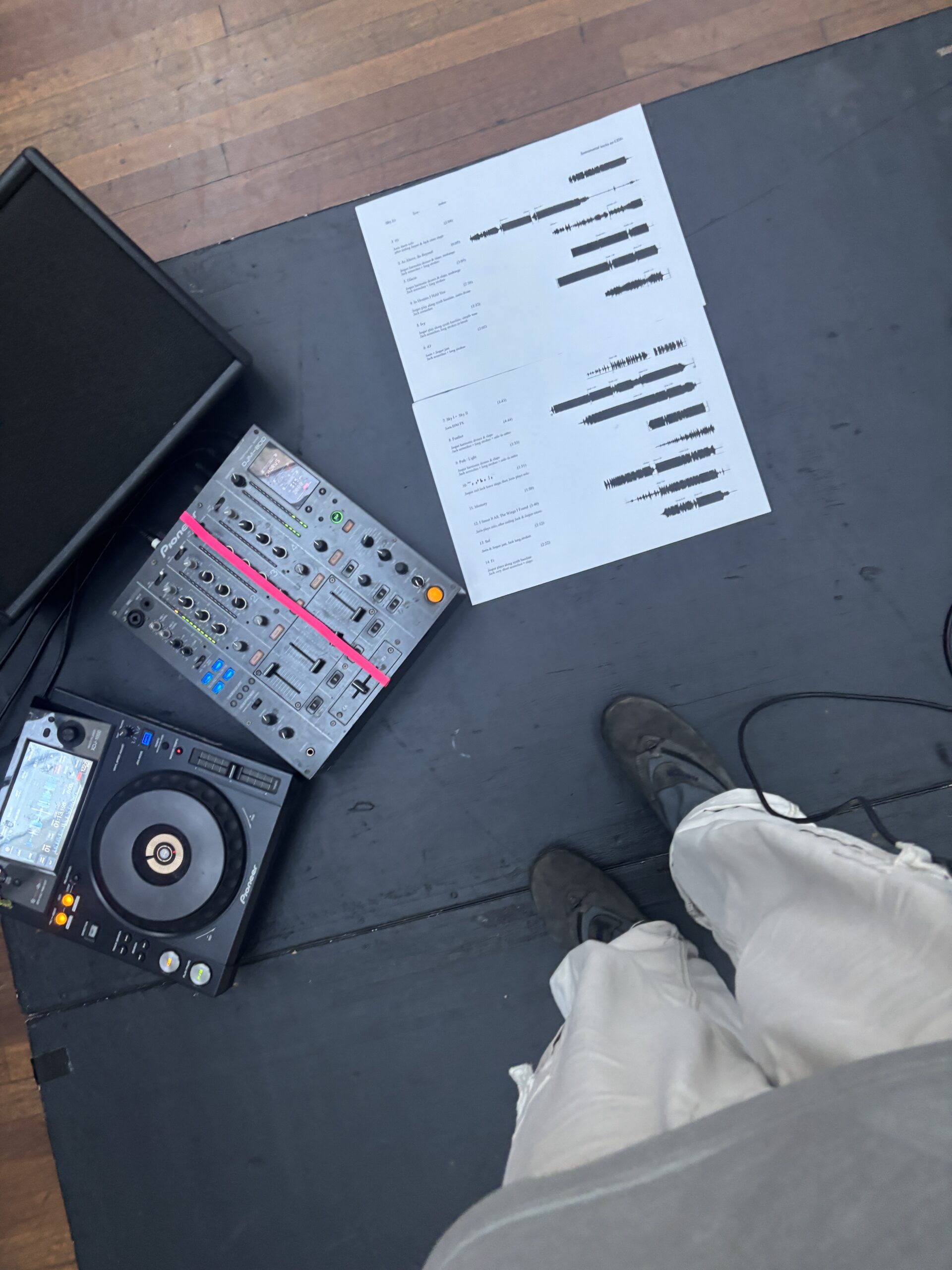
I think how I perform live now is closest to how I play at home. I discovered a new way of playing while making this album, which was more continuous. All the sounds on the album come from a synthesizer, a UDO Super 6, and I also use it live, so it’s the same sound and the way I perform is similar to how I made my latest album: I would sit down for an hour, play as much as I can, then pick the parts I like the most and start composing from there. Performing live is most exciting for me when it has this immediacy, just thinking, what if it sounds like this, or what if it sounds like that? I need to work with my ears, like, what do I want to hear right now?
From what you’re saying, it feels less like performing and more like letting the audience into your creative process.
Yeah, I guess so. It’s more transparent about how I make music, and it’s experimental, way more than a fixed setlist.
At Rewire you’re going to be joined by Jespfur and Jack Milner for the first time. What can we expect?
It’s definitely going to be different. We have some backing tracks, but we’re also going to play songs without them, just on the instruments. Which is very exciting.
Circling back to your tour, do you have a favorite space you played in terms of acoustics?
This church, Eglise Saint-Rémi de Molenbeek, where I had my last show in Brussels, was the most magical place to play, just because there was so much space. So much reverb really affects the sound of the album, and it fits it really well. I’d love to play in spaces like that more. I’ve also never played a show outside. Maybe a cave would be cool, because then you also have that echoey sound.
What would be your dream location to hold a show, if there were no constraints or limits?
Maybe in the sky, on a hot air balloon or something. That would be really cool.
Perfect for your latest album, Sky (i)! Where did that name come from?
It came from quite a meditative space – I saw the sky as a metaphor for realizing the spaciousness within yourself, finding a sense of relief, and creating more room for thoughts and emotions. I was dealing with a lot of grief due to the passing of my mom two years ago, so taking that distance was very appealing. When I first started making this album, I didn’t yet know it was going to be an album: There was so much pressure on me at the time, and I felt like the only way out was to create space around that through sound.
“Playing music gave me a sense of comfort when dealing with the shock of grief. That’s why the album sounds so spacious and very minimal in some points, while very intense in others.
”
It’s quite true to how I was feeling, but it also gave a place to a lot of those feelings and helped transform them into a more meditative or healing process.
That’s beautiful – I always think how lucky people who create art are in that sense, because especially when in grief, it’s really important to have an outlet for your emotions, put them into something that has a shape, and then release it into the world.
Yeah, I don’t think it fully took the grief away, but this process taught me a lot and put a lot of things into perspective. There are lots of memories in the lived experience, and when you take those things outside yourself, you can appreciate them more.
You always have a relationship with the person you miss over the course of your life. There’s always a dialogue in your head happening with a person who’s not there. It’s quite good to keep being open to that and inviting this grief into life, because you’re going to be faced with it at some point anyway.
It doesn’t mean only bad things — it created a big hole in my life, but I also filled it up with a lot of new things I wouldn’t have done otherwise. Making the album, connecting with other people. I was quite open about it on social media, and it was really unexpected to see how other people reacted and shared their experiences with loss. It was a real sense of community and connectedness, and some relief in that way.
Did you ever think that would happen when you first started making music? How does it feel when you realize that something that comes from a very personal experience can create such a huge impact on people?
I’ve gone through different phases with that. When I first started making music, I didn’t think about its impact too much. You kind of keep it in mind that people can react like this, because you experience it yourself, but you never know. Over time, I allowed myself to be more vulnerable in my music because that felt most meaningful to me.
The album before Sky (i), called O2O, didn’t really come from that genuine space. I was under a lot of pressure when making that album, feeling lots of expectations from people because I had built up a name.
“I was thinking about the outcome a lot, trying to make hits, designing the music rather than creating it. I found that made it less real for me.
”
Now I know the way to go is to make it meaningful to me. It’s kind of scary because you can’t have any expectations on how it’ll be received, but it also makes everything you receive from it a big surprise. I think about what Björk, who’s a big inspiration for me, said: “If you don’t try to please anyone, you have a slight chance of pleasing everyone.”
So you went through an arc of sorts. Can you also tell me more about Grow!? Because that’s the album that built up your name and put you on the radar, right?
Yes, that album also came from a really organic place. I was just finishing Gerrit Rietveld Akademie, and then COVID hit. As I’m a bit shy or at least used to be back then, being at home gave me a lot of freedom. That time was just perfect — there was this vacuum that gave me the ability to say: I’m going to make a record, and I can release it online and present it really well. And it created a safe space for it. Also, because it was my first album, I just felt like I could do whatever I wanted.
I was in Apeldoorn a lot, at my parents’ place, so it also started from feeling very disconnected from all my friends, which gave me the idea of making ringtones for them; that’s where a lot of these melodies came from. Before making them into songs, I just sent them out to my friends, and they were using them as ringtones, creating a fun sense of connectivity.
You studied audio-visual arts at Rietveld, right? Does that tie back to what you said about designing music?
Yeah, I think what I did at Rietveld was always making things with two elements. I would make soil drawings a lot, as installations, and then I also felt like I wanted to make something for that — putting a cloak around it with something else. For the soil drawings, that meant sounds. I did sculptures where I made audio tours and things like that.
So for Grow! you produced all the music as well as making all the visuals yourself. How does it feel to have that full control and ability to shape your own world with your own hands?
That was very satisfying for me, especially in the beginning. Without a label, you need to create something that translates the music really well. I’m very DIY — I made it without any funds, just using Final Cut Pro to make animations. That’s sort of the ethos I still have: using minimal things. If the ideas are strong enough and you have this unstoppable motivation, you can make something really beautiful out of it.
Now that you’re opening the door to more collaborations, like with your show at Rewire, how does it feel to let other people into that world you’ve had full control over up to now?
I think it’s very nice. It was good to be as free as possible and create my own signature first, and now finding ways to invite other people into that space is really healthy for me — letting in more life and different visions. Jespfur and my music projects are kind of contrasting, but the way we think and approach things is very similar. I was a bit more about being on my own island before 2023, and now I’m more like, yeah, I just want to show the world that there are not that many borders in music. You can make all these combinations. I also don’t really want to give in to genre too much — it’s amusing to be free.
So you created your own genre?
A little bit, yeah. We call it Eco-pop.
Actually, where does the name Bby Eco come from, and following from that, what is Eco-pop about?
At some point, I realized that I really like to work with elements of nature, using them as a metaphor, and showing the beauty of nature in my work somehow. That’s where eco comes from.
“I like the idea of ecology, because it basically means different organisms working together to create a larger whole. I like to see sounds like that — if you create a song with different elements that are all alive in a sense.
”
And then Bby is just a little bit making fun of me being a singer, because a lot of other pop singers say Baby, but I also like the idea of renewal, of being a newborn, as I’m always looking for new things to evolve in my music.
Eco-pop is about being a bit playful with the terms, because all genres are a bit like boxes, and I thought I’d create my own box where I can do anything in. The word pop can sometimes bother me a little, because over time, these terms get such different meanings. I feel like pop has become so vague because there’s not that much separation between the underground and mainstream. Underground things always have the potential to blow up at any moment.
How do you keep on being an independent artist and staying true to yourself? I’m guessing you must be getting quite a lot of temptations to stray from your path, the bigger you become.
That’s a good question. I’ve gone through different phases with it. It made me a bit anxious at first when I noticed I was getting traction. Then I became too focused on creating an outcome and wanting to create a sense of security. But the less concerned I am with how I’m received, the better things flow — and probably also the more people feel attracted to listen to it. It’s like what the Björk quote says.
When I was dealing with grief, everything basically fell away, and that made me reassess a lot of things. There are so many things you can try to do to create a sense of security — looking for financial gain or popularity — but the realization that a lot of things in life are just very impermanent was very healthy. It brought me more into the now, thinking less about creating future opportunities.
“The present moment is the only real thing that there ever is.
”
The more I get to embrace that in my life, the better and truer things will be.
From what you described, your work comes from a very vulnerable space – how is your artist persona, Bby Eco, different from Joris Benjamins?
There are overlaps, but it’s not fully me. It used to be a bit more conceptual. In the beginning, I was very much inspired by OPN (Oneohtrix Point Never), who uses his project as a kind of concept, like a radio station. For me, it was also a conceptual idea, like a sort of spirit entity or avatar. But I think I’ve let that go a little bit, so it also fits more of my actual life experiences. Allowing myself to be vulnerable in my music makes it more human.
There are still some parts that are not obvious in the music that are also part of what I am in real life. Like, for example, I also love a lot of punk music, and that doesn’t really show in Bby Eco’s music — maybe just the ethos of it. I sometimes think about doing side projects, or maybe at some point using my own name, but only when it would make sense.
It is so wonderful to get such a close look into what forms and drives you as an artist, especially because, from an outsider’s perspective, your world might seem quite whimsical and mysterious. Bringing it closer to home, as we’re an Amsterdam-based magazine, I’m curious about Bby Eco’s relationship with the city. How has Amsterdam shaped your sound?
I think the city’s DIY spirit has shaped it quite a lot. Amsterdam is a little bit packed, so you can’t be too loud and have a drum kit in your house, which probably led me to making more electronic music, because you can just work on a laptop. But yeah, I feel like I’ve lived quite a lot of different lives here before finding my sound.
“Amsterdam really laid the foundations for the Bby Eco project. It teaches you to be your own motor. The city itself feels like an alternate ecosystem.
”
Are there any places in Amsterdam you always go to?
Bby Eco: I like Sarphatipark to hang. For music, I used to go clubbing, but I don’t as much anymore. When I do, my preference is Garage Noord or De Sering because my friends go there a lot. I really like corecore events and Seedlink, who are also my friends. And Dokzaal — that’s where my album release was. That space actually inspired the album a little bit, because I knew I wanted to do my release there. It just had this nice sense of space, with daylight coming in. As a café, Kaap/tein is cool. And there’s a gallery in Oosterpark — Zone2Source — it’s a really cool space. They do a lot of audio things as well. I also like running. I run around the city quite a lot, so I know all the parks pretty well.
Who are some Amsterdam-based artists that people should keep an eye out for?
One of my friends, Keynu is definitely one to watch out for! I saw him play last week at corecore and he’s so talented. I think he’s like a brainchild of Sophie and Prince at the same time, which is amazing. And there’s also a band based between Amsterdam and Berlin called Penpal — it’s a cloud rock band. The guys in it also had a band called Fungus, but they stopped, and now also have another band called From 2. But Penpal I really love. And Jespfur, obviously — the greatest live performer.
Do you have any advice for people just starting out in the music world?
I would say, take your time. Create a surrounding that feels good to you. And share — don’t be afraid to share. There are no mistakes.
And your last message for the world?
Bby Eco: Listen to your heart. And the wings will follow.
Thank you for such an insightful conversation – I had such a good time getting to know you, and I’m sure our readers will too.
Bby Eco will be performing his latest album Sky (i) at Rewire on Friday, April 10th, joined by Jespfur on bass and Jack Milner on electric cello.