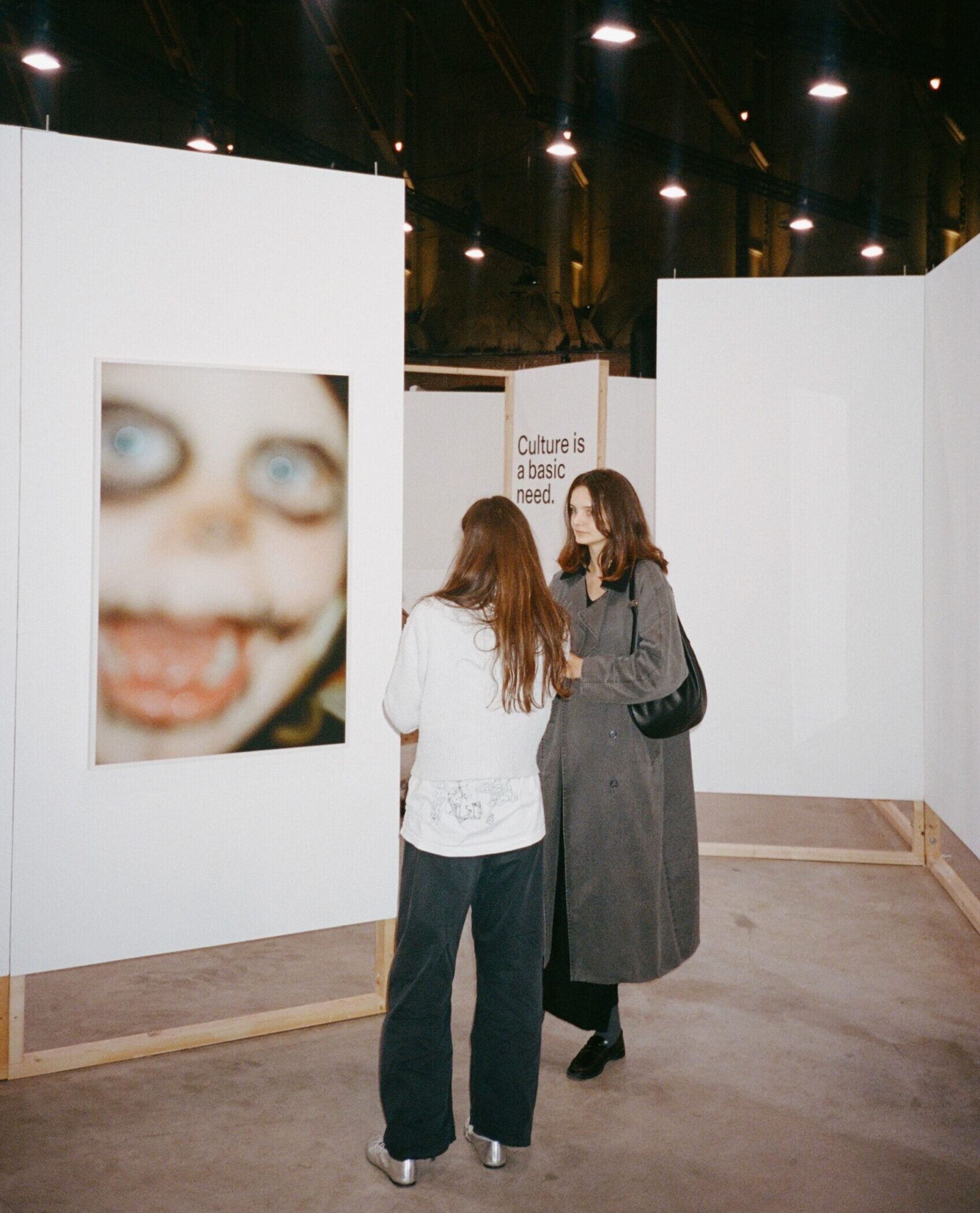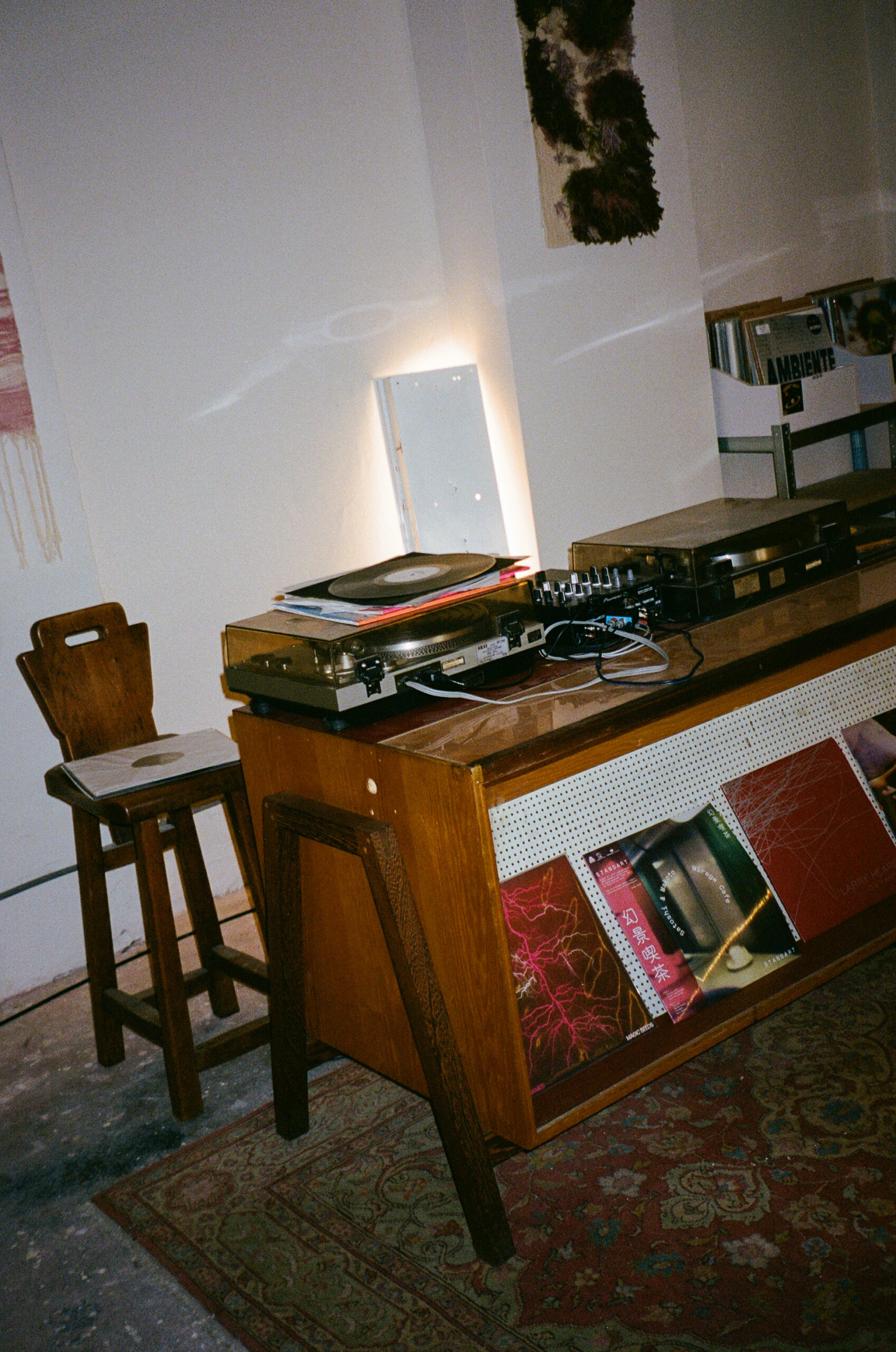
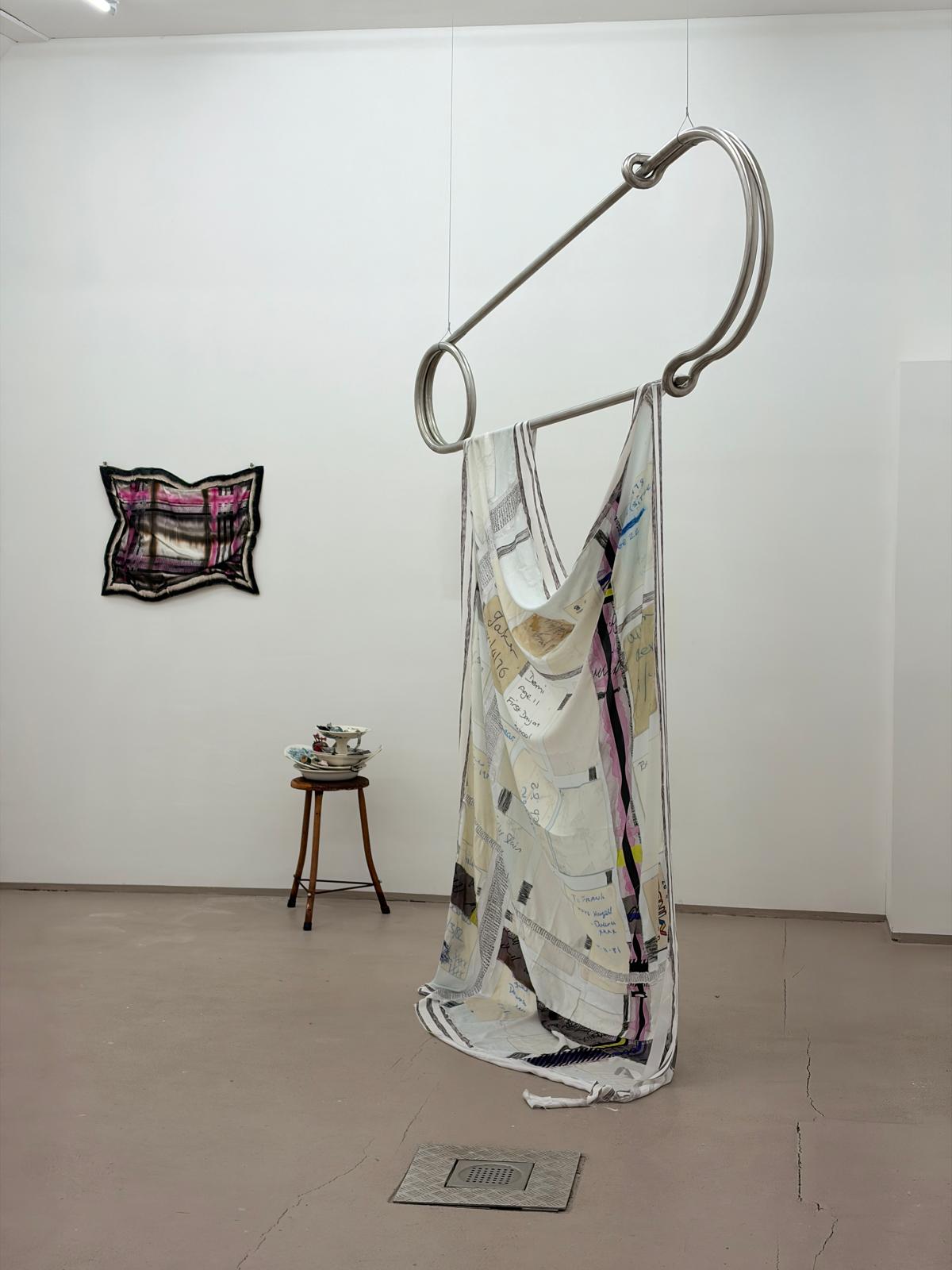
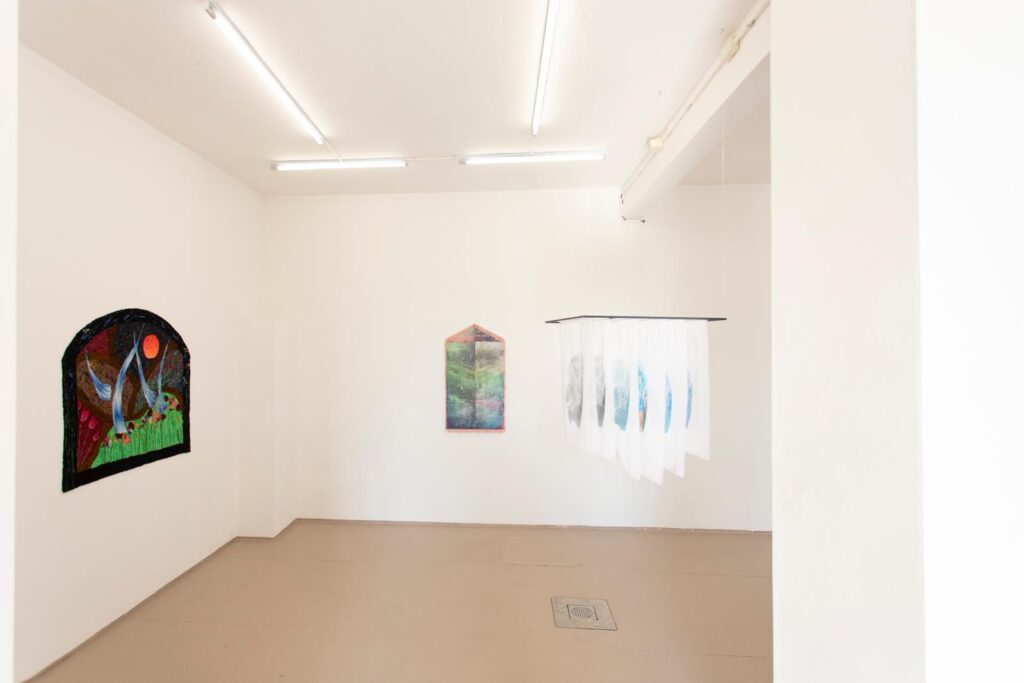
As we leave the summer behind us, days that felt endless suddenly start to feel numbered, making it time to embrace that winter feeling of turning inward. Somewhere in Amsterdam-Noord, behind a pair of Hugo-blue doors, one gallery spent its summer being something else entirely. Doors propped open, chairs doubling as café furniture, Gallery van Fanny Freytag became café v.o.o.r.w.a.a.r.t.s for the season, with art still draped across the walls and for sale the whole time. It’s the kind of flexibility young galleries increasingly build into how they operate.
I spent the afternoon there with Boetie Zijlstra, who joined the gallery two years ago as co-director. Founded three years ago by Nina Harzallah-Winterink and Len Rooth, the largely part-time space exists to make room for artistic diversity. We sat down to talk about the origins of the gallery, what makes a good show, and what digitalisation means for them, delving into both personal narratives and societal inquiries. What we got was less an interview than a conversation about why art still needs a room to happen in.
Dune: Can you start by telling me a bit about the gallery and the collaboration with Skatecafé?
Boetie Zijlstra: Yes, so we are quite a young gallery, about 3 years old. Most of us work part-time. It’s already very difficult for young people to start a new gallery; very few do it at the moment, so collectors and people in the art world really appreciate the fact that we’re making our voice heard.
It started when Len and Nina sat at the table with Vriend van Bavink, the sister gallery. At some point they were sitting around talking, just having a beer, and the idea came up: what if young artists could also have a platform? At Bavink there’s quite a lot of competition between artists, and they thought it would be nice to give more attention to emerging artists, or to artists who aren’t very well known but simply haven’t been given space.
At some point, this space became available, and it was actually quite logical, and the area didn’t have anything like this yet. They also preferred to have someone there who genuinely cared about the area, rather than someone without any connection to the neighbourhood. Because here, you really run into each other, so to speak.
What is the message you want to convey with the gallery?
Above all, it’s about artists who have become somewhat overshadowed by the pressure and busyness of the market.
We really want to do something different from everyone else. The art world can quickly start moving in one direction, even though everyone wants to offer a slightly different voice. I sometimes find that disappointing. We want to provide a platform for work that rubs against you, that perhaps isn’t necessarily considered beautiful, but is challenging. That’s not the only thing we do, but we do like to look critically at the art world.
You’ve also recently started posting on Substack; what motivated you to use this platform?
Yes, that’s kind of our own “conversation” channel. There you can read a little more about the artist behind the work. Galleries in Amsterdam or the Netherlands are generally expected to operate in a certain way: a newsletter, cards in the gallery, email contact with collectors. But that leaves out a very large group of people. Our target audience isn’t necessarily on email, they’re online, on social media. A new generation of art viewers consumes art in a different way, and we need to move with that.
At the same time, it remains important to keep writing, and especially to keep it readable. If you immediately use very complicated words, you lose people. People have shorter attention spans these days and consume information differently, so its our job to adapt.
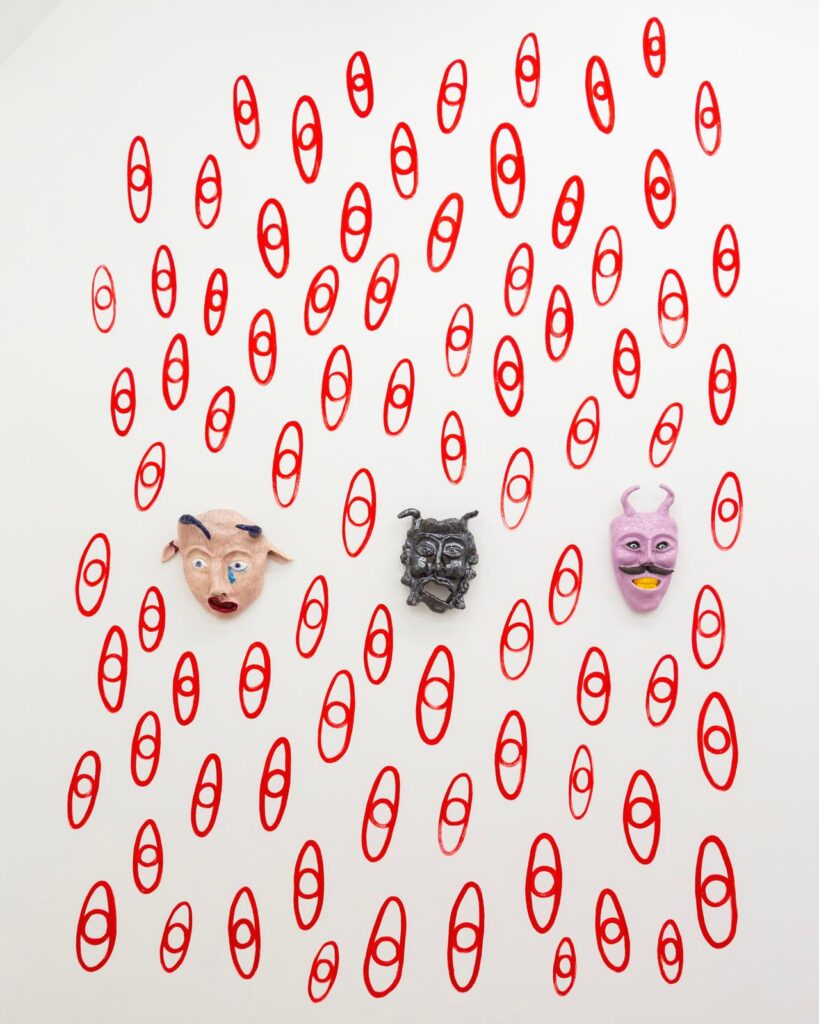
Your events are the kind you can’t really scroll past. At BARTLAND, the artist invited visitors to dress as him. Is that a deliberate choice, to make things that need to be experienced in person?
I think that also comes from the fact that there are three of us, so we all have different perspectives, which helps enormously. It’s important to make space for performance art. If we have the budget, we outsource it, and otherwise we try to organise things for free, even if that sometimes means doing a little more than we can actually afford.
And what makes an exhibition work, in your view?
I think it’s important that a show attracts a wide variety of people. I want as much diversity as possible. When people from outside the usual circle come in and say, “I heard about the show,” I think: this worked. And when questions are raised that leave people with something to think about. That leads to beautiful conversations, and I think you can plant a kind of seed that way. That’s incredibly valuable, and it’s one of the foundations of art: it should stimulate you, and it doesn’t matter in what way. You don’t have to find it beautiful as a visitor. As long as it makes you think, makes you emotional, or makes you laugh. But that’s exactly what’s beautiful about it: it means something different to everyone.
I hear that from visitors here all the time too. I regularly get feedback like, “This just isn’t for me.” To which I respond: it doesn’t have to be. You’re allowed to be here anyway.
I actually think that’s a beautiful response. It takes courage to say, “I don’t think this is beautiful,” so to me, every reaction is already proof it works.
Is there one particular theme your seeing emerging among artists at the moment?
I find that difficult to say. Of course, there are always trends: something becomes popular or widely discussed, or you see a particular style appearing more often. I actually find that interesting to observe. Take Doris, for example, whose work we’re currently exhibiting.
What grabbed me initially was the way her figures, often women, seem to be painted almost fleetingly, while at the same time challenging themselves in some way. In a particular painting, she looks bored over her shoulder, is half naked, and is drinking something. Yet the modern objects in her hands make it feel very contemporary.
I also know her work depicting two friends who aren’t necessarily represented as beautiful or perfect. They’re simply real, looking at a brightly lit screen. That feels very recognisable. You can identify with it precisely because it isn’t polished. I think that appeals to young collectors and young people, the fact that they can recognise themselves in it. There are plenty of classical, beautiful, preserved paintings that are beautiful in their own right. But there is also a lot of painting that deals with imperfection and the contemporary world. Maybe because we live in a world where we’re all trying to be as perfect as possible, it’s nice to see that things don’t have to be. You can recognise that imperfection in yourself, and we all have it.
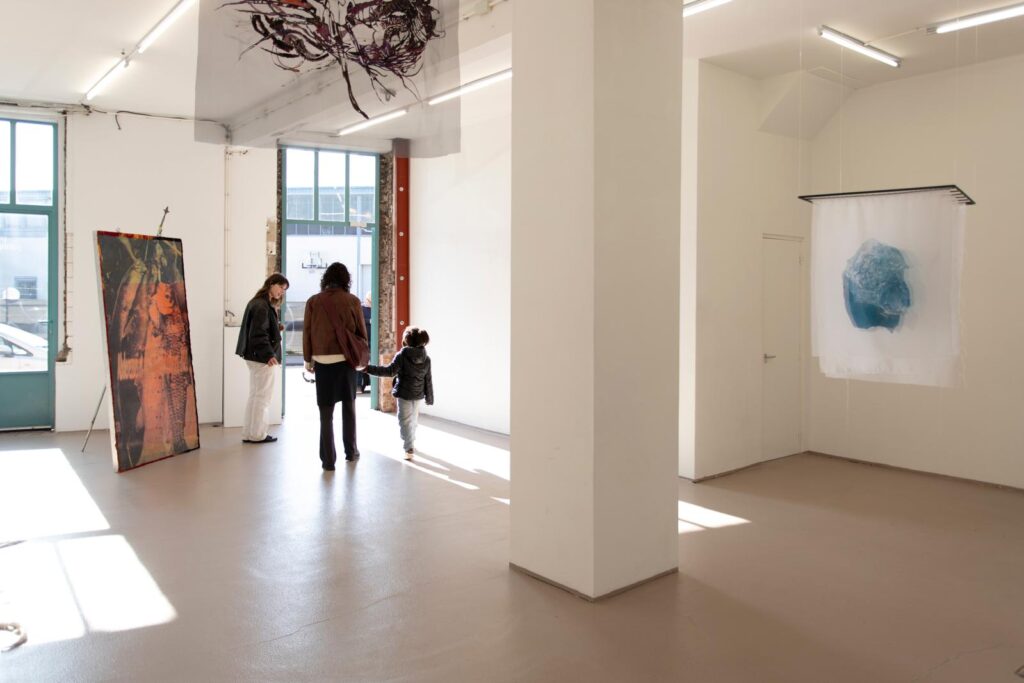
Do you notice younger visitors hesitating to come in, or keeping their distance and engaging online instead?
I don’t notice that very strongly myself. I think we’re much more centrally located, which makes it easier. It’s really about having the courage to show yourself somewhere, because you know it’s necessary to support art and artists.
Do you have any advice for people who are concerned with that barrier?
It might be interesting to talk to Catriona from Culture Sniffers; we sometimes work with her. She noticed that a run club has many of the things people are looking for: connection, doing something together, and meeting new people. She translated that idea into something like an “art club”: Culture Sniffers. She organises events and gallery tours; she comes here, for example, and we explain a show. That makes people feel welcome. The thing I hear most from visitors is: “I don’t understand it anyway, so this isn’t a place for me.” But actually, you don’t have to understand it. It’s all about looking and feeling. That’s exactly what Catriona creates space for: allowing people to collectively dare to do something they might not otherwise dare to do alone.
With people being chronically online these days, do you think seeing something online is really the same as seeing it in person?
No, of course not. But people share their entire lives online these days. It has become normal, and sharing something online can still create a feeling of experiencing it alongside them. So, if an artist responds to a piece of art through social media, even though they haven’t seen it in person yet, it still feels like they’re participating.
I would personally advocate for more physical art visits, but I’m already happy if people pay attention to it online if they read the article and think, “Wow, that’s really cool, I didn’t even know this existed.” For me, that’s already a win.
In art circles, there’s sometimes this idea that you have to consume an enormous amount of art. But in reality, it’s quite difficult for people to genuinely engage with it, especially for new art viewers. It’s a skill you have to train. However small that training might be, I’m in favour of it, even if it isn’t the ideal “15 minutes of standing in front of a work” approach.
Were you more pessimistic about that in the past, when social media was first on the rise?
Yes, I was quite pessimistic about it at first. I thought it would come at the expense of physical visits. But it actually gives me hope that it isn’t a replacement; it remains a tool.
At the same time, I find it a little scary. What happens if the online landscape changes? We’re not there yet, but the landscape is constantly shifting.
Maybe then we’ll start seeking out physical spaces again. I think people genuinely need them. Just look at Culture Sniffers: it’s incredibly popular, which shows that people continue to seek out community. But that community often originates online.
It’s a kind of symbiotic relationship: something needs to spark online before people come physically, so you’re best off being present on both sides. Otherwise, you won’t reach that platform.
And lastly, what about the future of the gallery? With everything disappearing in Noord, is the current location secure for the long term?
We are able to stay for a while longer, maybe for another year or so, but after that it’s uncertain. We have a few options, but we haven’t fully decided yet. It could be interesting to become a pop-up gallery: doing temporary exhibitions in different vacant spaces. Becoming a new kind of gallery model. Because I do believe that there is a certain soul within a gallery that is difficult to kill. Once that fire is there, it always continues to exist in some way.
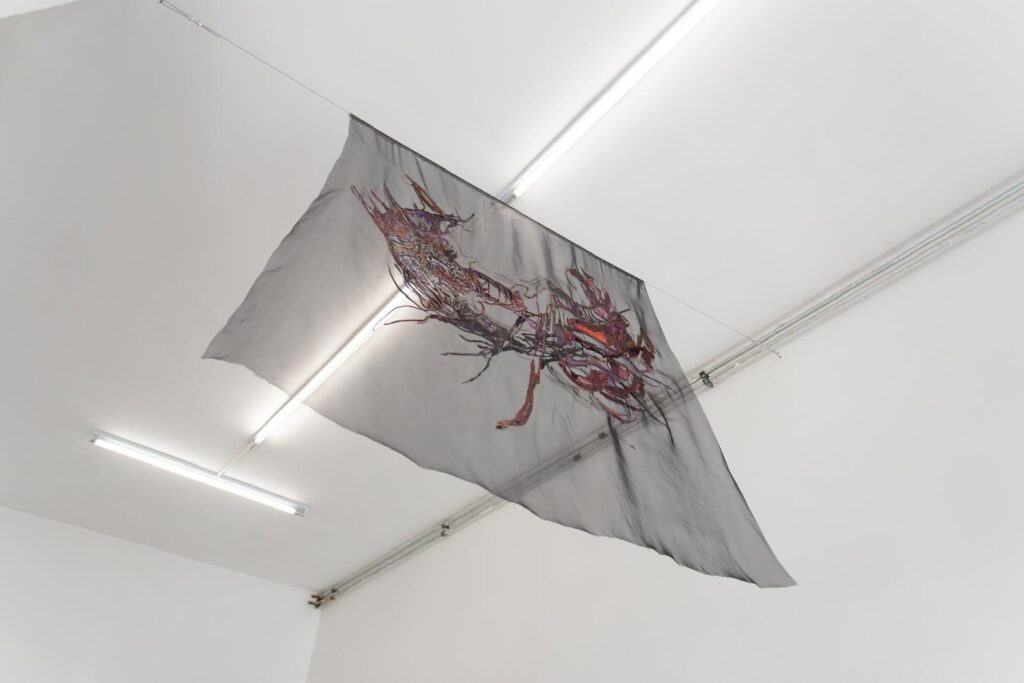
Go visit their current solo exhibition Komorebi by Marinka Reuten, running from Friday 18 sep till Saturday 10 okt 2026.